
Sapporo — capital of Hokkaidō and Japan's winter festival city
Sapporo is Hokkaidō's largest city and administrative centre, known for heavy snow, the annual Snow Festival, distinctive cuisine (miso ramen), Sapporo beer, the 1972 Winter Olympics and a regional cultural hub.
Overview
Sapporo is the largest city on the northern island of Hokkaidō and serves as the administrative centre of Hokkaidō Prefecture. Located on the broad Ishikari Plain in western Japan, the city functions as a regional hub for government, education, commerce and transport. Its urban area blends modern development with wide avenues, public parks and agricultural outskirts, and it is widely recognised for cold, snowy winters that shape local life and leisure.
Image gallery
10 Images


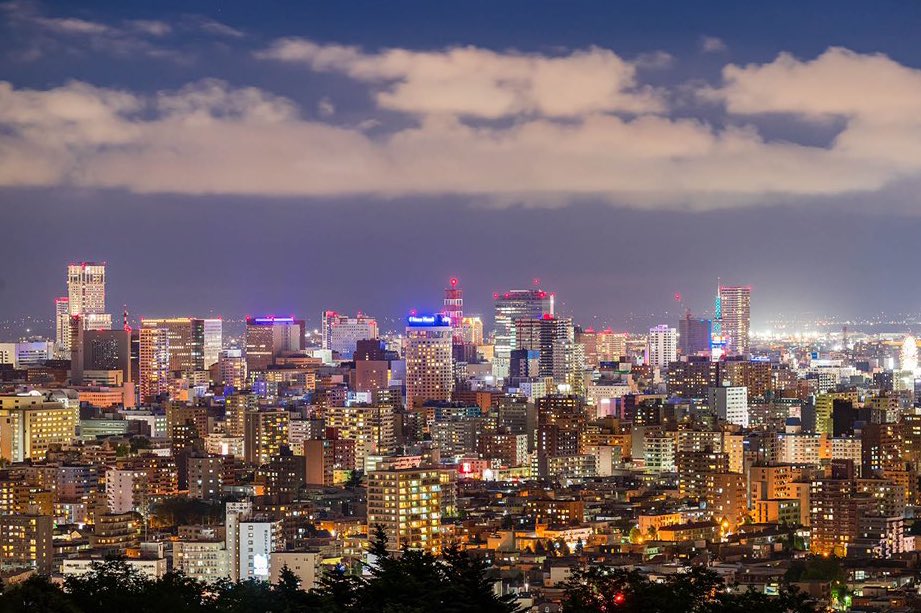


Population and urban character
Sapporo has a large urban population of roughly around 1.8–1.9 million residents and serves as a focal point for the surrounding region. The city’s layout includes a regular street grid in the central districts, with distinct neighbourhoods such as Odori Park, the Susukino entertainment district and university quarters. Public institutions, museums and green spaces give Sapporo a reputation as a livable northern city with a mix of residential, commercial and research activities.
History and development
The area around Sapporo was long inhabited by the Ainu people before large-scale settlement in the late 19th century as part of Hokkaidō’s development during the Meiji era. Planned as a modern administrative centre, Sapporo expanded with agriculture, industry and rail links. The city gained international attention when it hosted the 1972 Winter Olympics, the first Winter Games held in Asia, which accelerated investment in transport and winter-sports infrastructure.
Climate and winter culture
Sapporo experiences a humid continental climate with cold, snowy winters. Heavy snowfalls support a strong winter-sports culture: skiing, snowboarding and ice activities are popular in nearby resorts and urban events. The city manages substantial winter maintenance to keep streets and public transport running during periods of heavy snow, and many cultural activities and festivals are timed to the seasons.
Snow Festival and events
Each winter Sapporo hosts the internationally known Snow Festival, which draws visitors from Japan and abroad. The event features large snow and ice sculptures across several sites, including Odori Park, the Susukino area and the family-oriented Tsudome venue. Beyond winter, Sapporo stages summer markets, music and food festivals that highlight local produce and seasonal culture.
Economy, industry and cuisine
The city’s economy combines public administration, education, manufacturing, retail and food-related industries. Maritime transport and nearby seas support a lively seafood trade from the local port and markets. Culinary life is an important draw: Sapporo ramen, especially the miso-based variety, is a celebrated local speciality and restaurants specialising in ramen are widely visited. Grilled mutton dishes, fresh seafood and dairy products from Hokkaidō also feature in the city’s food scene. The Sapporo Brewery, which inspired the well-known Sapporo beer brand, reflects the city’s role in Japan’s brewing history.
Transport and infrastructure
Sapporo is linked to the rest of Japan by rail, road and air. New Chitose Airport, located outside the city, handles the majority of scheduled flights to and from the region and is the main air gateway for both domestic and some international services. The urban transit network includes a multi-line subway system, regional rail connections and extensive bus routes. Winter operations place extra emphasis on snow clearance and resilient transport timetables.
Culture, education and landmarks
The city is home to several universities and research institutions, notably Hokkaido University, and supports a range of museums, concert halls and cultural venues. Landmarks often associated with Sapporo include the historic Sapporo Clock Tower, the Sapporo TV Tower overlooking Odori Park, busy food streets and municipal parks that host seasonal activities. Together these features make Sapporo an important cultural and economic centre in northern Japan.
Notable points
- Sapporo’s winters and festivals are major attractions and underpin a significant winter tourism industry.
- The city combines modern urban services with access to natural landscapes and nearby ski areas.
- Local food and beverage industries, such as ramen culture and the Sapporo beer legacy, contribute to the city’s identity and economy.
- Demographic and economic data are maintained by municipal and regional authorities and summarized in official population and planning reports.
Related articles
Author
AlegsaOnline.com Sapporo — capital of Hokkaidō and Japan's winter festival city Leandro Alegsa
URL: https://en.alegsaonline.com/art/87275
Sources
- city.sapporo.jp : "City of Sapporo"
- books.google.com : "Sapporo"
- books.google.com : "Hokkaido"