
Sapulpa, Oklahoma — city in Creek and Tulsa counties
Sapulpa is a city in northeastern Oklahoma, county seat of Creek County with parts in Tulsa County. It has ties to the Muscogee (Creek) Nation, Route 66 heritage, local government services and light industry.
Sapulpa is a city in northeastern Oklahoma that serves as the county seat of Creek County while extending into Tulsa County. The community is part of the greater Tulsa metropolitan area and functions as a local center for government services, retail, and light industry. Census figures cited for 2000 put the population near 19,160, though later estimates and decennial counts have changed; consult municipal or federal sources for current numbers.
History and origins. The town grew on land associated with the Muscogee (Creek) people and takes its name from a Creek leader. Its development followed common regional patterns of the late 19th and early 20th centuries: rail and highway corridors, agricultural trade, and later oil- and manufacturing-related activity. Route 66 and other historic roadways pass through or near Sapulpa, contributing to a surviving mid-20th-century roadside culture that attracts visitors and local preservation efforts.
Geography and transportation. Sapulpa sits within a mixed urban–rural landscape with nearby lakes, small creeks and connecting roads that link residents to larger employment and retail centers in Tulsa. The municipal area is reported at about 18.7 square miles, and local streets, state highways and freight rail continue to shape land use and commuting patterns.
Economy, government and culture. As a county seat, Sapulpa hosts administrative offices and courts for Creek County and provides services used by surrounding communities. The local economy includes government, retail trade, small manufacturing and service businesses. Community life features museums, historical societies and civic events that recognize the area's indigenous heritage and Route 66-era history.
Image gallery
4 Images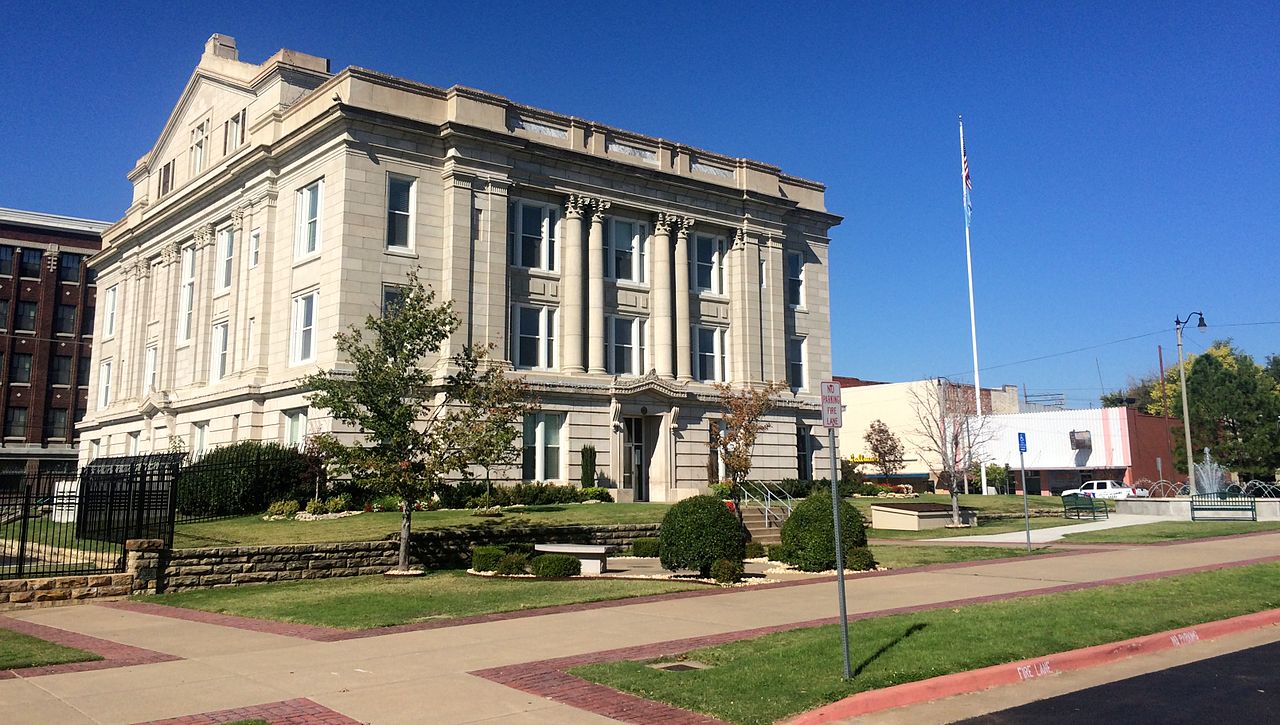
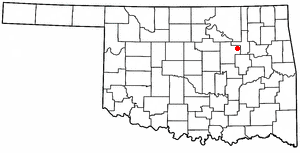

Quick facts and notable points
- Sapulpa is the municipal name used for the city.
- It is the county seat of Creek County.
- Portions of the city lie within Tulsa County.
- Sapulpa is located in the state of Oklahoma.
- It is part of the larger Tulsa metropolitan region.
- Population figures from 2000 are cited near 19,160 residents.
- The community holds the administrative functions associated with a county seat.
- The municipal area covers about 18.7 square miles.
- Historic and civic information is documented in local resources and guides (further reading).
Visitors and researchers often find Sapulpa notable for its blend of small-city government services, regional commerce, historical connections to the Muscogee (Creek) Nation and surviving elements of mid-20th-century highway culture. For current demographic data, municipal services, or schedules for cultural programs and historic sites, primary municipal and county sources or recognized historical organizations should be consulted.
Related articles
Author
AlegsaOnline.com Sapulpa, Oklahoma — city in Creek and Tulsa counties Leandro Alegsa
URL: https://en.alegsaonline.com/art/87277
Sources
- incog.org : Zoning Index
- factfinder.census.gov : "American FactFinder"
- geonames.usgs.gov : "US Board on Geographic Names"
- commons.wikimedia.org : Sapulpa waterpark