
Santa Fe Province, Argentina
Central-eastern Argentine province centered on the Paraná River. Agricultural and industrial hub with major cities Rosario and Santa Fe, important ports, education institutions, and a mixed temperate plain landscape.
Santa Fe is an important administrative province in central-eastern Argentina. It occupies a broad section of the fertile Pampas and includes a long stretch of the Paraná River, which shapes the province’s economy and settlement. Its largest urban centers include Rosario and the provincial capital Santa Fe, alongside regional cities that serve agricultural and industrial districts.
Image gallery
10 Images






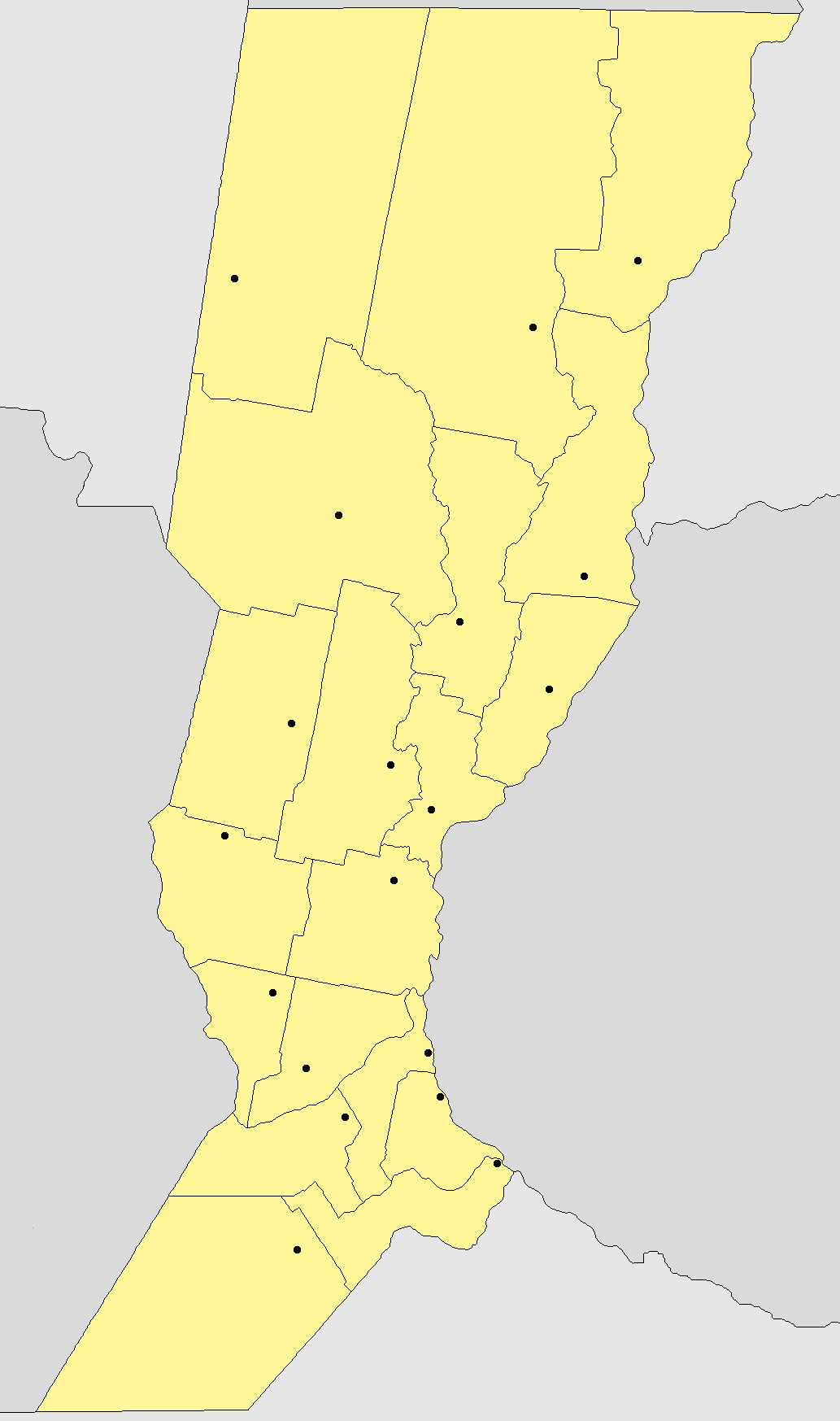
Major cities
- Rosario — the province’s principal port and largest metropolitan area.
- Santa Fe — the political and administrative capital.
- Rafaela, Villa Gobernador Gálvez, Venado Tuerto, Reconquista, Santo Tomé — important regional centers.
Geographically, Santa Fe lies on flat to gently rolling terrain of temperate grassland. The Paraná River and its tributaries provide navigable channels, wetlands and alluvial plains that support crop cultivation and cattle raising. The climate is generally temperate with seasonal rainfall, conditions that favor cereals, oilseeds and forage production.
History and institutions
The region developed from colonial settlements into an agricultural and transport hub during the 19th century. Educational and cultural institutions grew alongside urban expansion; notably the National University of the Littoral was established in 1889 and remains a major center for higher education and research in the province.
Economy
Agriculture dominates large areas of Santa Fe: grains, oilseeds and fodder crops are widely cultivated. Livestock production is also significant — cattle are raised both for beef and dairy. Industrial activity concentrates around cities such as Rosario, where processing plants, grain elevators and manufacturing benefit from river access for export.
Transport and logistics networks link production zones with national and international markets. The combination of fertile soils, navigable rivers and urban industry gives Santa Fe a diverse economic profile that is central to Argentina’s agricultural export system.
Culture and notable facts
The province blends rural traditions with urban cultural life: theaters, museums and universities coexist with agricultural fairs and local festivals. Rosario is notable for its riverside promenades, cultural institutions and role as a shipping gateway. Santa Fe’s position on the Pampas and along the Paraná makes it a key province for understanding Argentina’s economy and landscape.
For further information about administrative details, demographics and current developments see provincial resources and regional overviews at relevant sources: province profile and other regional portals.
Related articles
Author
AlegsaOnline.com Santa Fe Province, Argentina Leandro Alegsa
URL: https://en.alegsaonline.com/art/87130