
Santa Fe, Argentina
Capital of Santa Fe Province and river port city in northeastern Argentina; regional administrative, commercial and cultural center with colonial roots and important links to inland agriculture.
Overview
Santa Fe is the administrative capital of the Argentine province of Santa Fe and an important urban center in Argentina. Often called Santa Fe de la Vera Cruz, the city serves as a political, commercial and service hub for the surrounding agricultural region. It functions as the provincial seat and a focal point for regional institutions; the municipality is commonly described as the capital city of the province.
Image gallery
10 Images


History and development
The settlement traces its origins to the 16th century when Spanish colonists established a fortified town to secure river traffic and trade. Over centuries Santa Fe grew around its river port, municipal institutions and churches. Its colonial past is visible in historic neighborhoods and public buildings, while later expansions brought modern streets, parks and industry.
Geography and environment
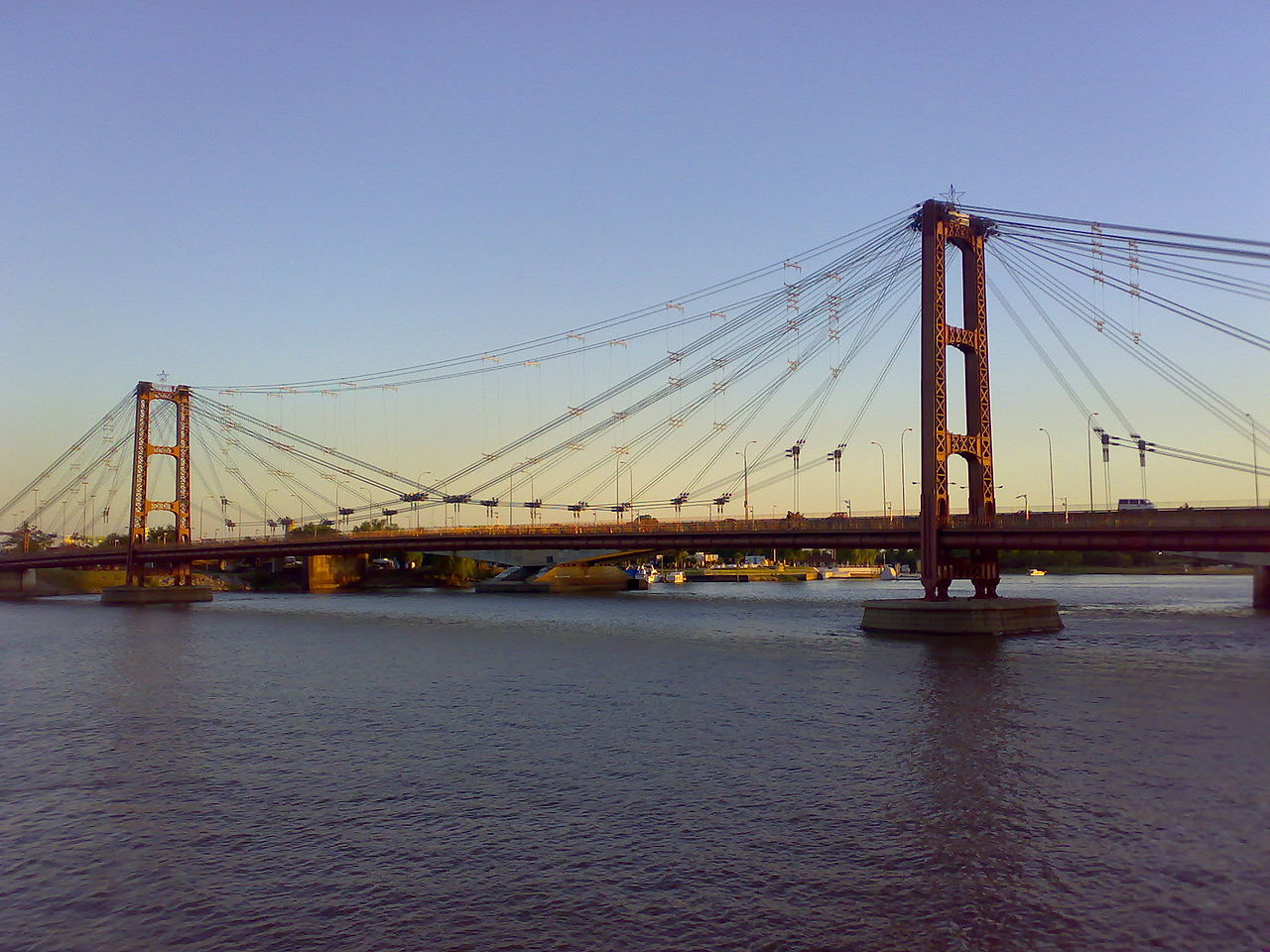
Located on the Paraná River and near the Salado basin, Santa Fe's landscape is shaped by waterways and flat plains. The river has been central to the city's economy and transport but also brings seasonal flooding that has influenced urban planning and infrastructure improvements. Bridges and ferry links tie Santa Fe to neighboring cities across the river.
Economy and transport
The city's economy blends public administration, commerce, manufacturing and services that support a wide agricultural hinterland. As a river port, Santa Fe handles grain and other farm products forwarded to larger export terminals. Road and rail connections, together with port facilities, make it a logistical node for the region.
Culture and public life
Santa Fe hosts cultural institutions such as museums, theaters and annual festivals that reflect provincial traditions. Culinary specialties, local markets and community events contribute to civic identity. Historic plazas and waterfront promenades are popular gathering places for residents and visitors.
Demographics and notes
Population figures have varied over time; official counts recorded about 369,000 inhabitants in the 2001 census, with metropolitan totals larger when surrounding suburbs are included. Visitors often note the blend of colonial heritage and modern civic functions that characterize this provincial capital.
- Founded in the colonial era and rebuilt several times.
- Important river port on the Paraná system.
- Regional center for administration, culture and trade.
For further regional context and administrative details, see provincial resources and transport maps that connect Santa Fe with Argentina's broader economic network.
Related articles
Author
AlegsaOnline.com Santa Fe, Argentina Leandro Alegsa
URL: https://en.alegsaonline.com/art/87124