
Santa Maria Island (Azores): history, geography, and significance
Santa Maria is the southernmost and earliest-discovered island of the Azores, known for its mild, relatively dry climate, historic settlement, beaches and rural culture centered on Vila do Porto.
Overview
Santa Maria is the southernmost island of the Azores archipelago in the North Atlantic. It is noted for being the first island of the Azores to be encountered by Portuguese navigators in the early 15th century. In Portuguese the island is called Santa Maria, often simply referred to by its parish and municipal seats. Today the island combines small-town life with agriculture, fisheries and a modest tourism sector focused on beaches, traditional architecture and coastal scenery.
Image gallery
10 Images






Geography and environment
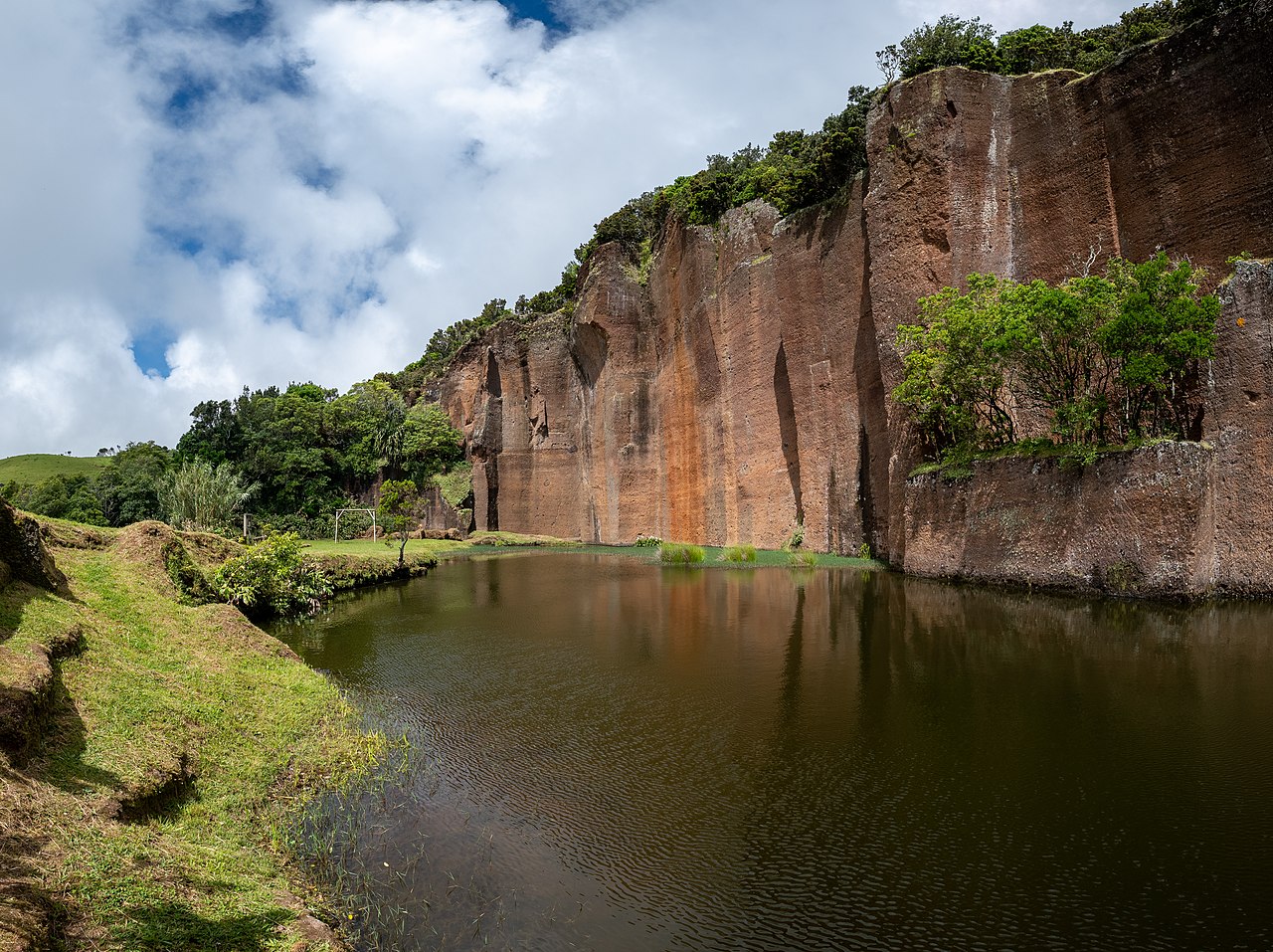
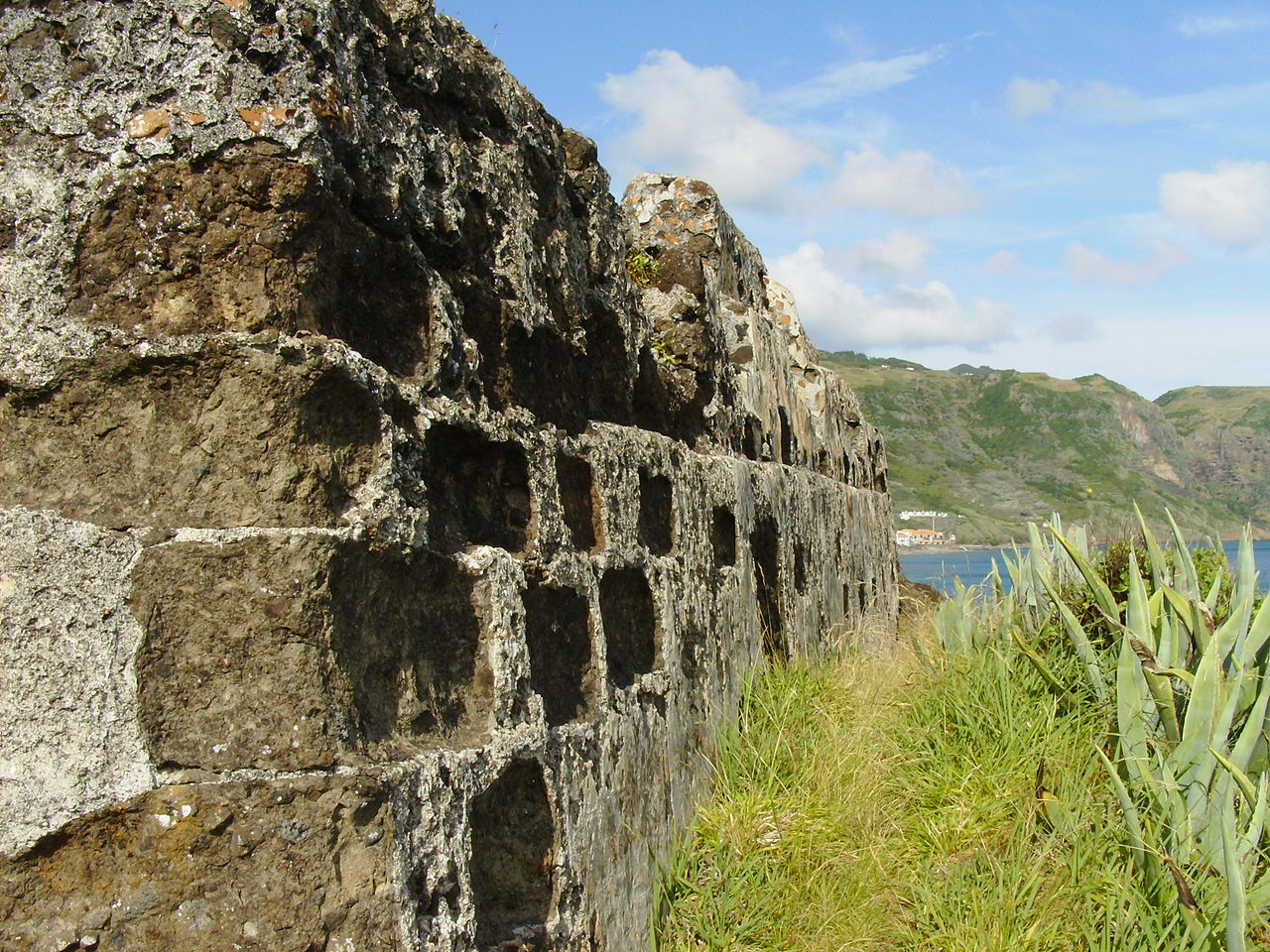
The island presents a mix of low hills, cliffs and sandy coves rather than the higher volcanic peaks found on some other Azorean islands. Compared with much of the archipelago, Santa Maria tends to be relatively drier and sunnier, with microclimates that favor pastures and small-scale farming. Coastal features include broad beaches and sheltered inlets that are popular for swimming and shore fishing.
History and settlement
Santa Maria was the first island of the Azores to be discovered by Portuguese mariners. Contemporary accounts attribute the initial sighting to Diogo Silves during a voyage in 1427, and later organized settlement was encouraged in the 15th century. The early colonization phase involved people brought to the island along with livestock; for example, Gonçalo Velho is credited with bringing families and cattle to establish a permanent presence. These events set the pattern for the island’s rural economy and Portuguese cultural traditions.
Human geography and economy
The main town and administrative center is Vila do Porto, which contains much of the island’s historic architecture, civic institutions and transport links. Santa Maria has an airport that connects it with other Azorean islands and the Portuguese mainland, and its economy rests on agriculture (dairy and crops), coastal fishing and visitor services. Local festivals, small churches and rural estates reflect centuries of island life.
Notable features and visitor highlights
- Beaches and coves suitable for swimming and relaxation, including long sandy stretches near the main settlements.
- Distinctive coastal walks and viewpoints that reveal the island’s gentle relief and seaside cliffs.
- Historic parishes and monuments associated with the early period of Portuguese Atlantic exploration and settlement; see accounts of the island’s discovery and colonization Madeira voyages and early settlement efforts by colonizers.
Context and distinctions
Within the Azores, Santa Maria is often noted for its status as the earliest-discovered island and for its somewhat different landscape and climate compared with the central and western islands. Those seeking a quieter, more pastoral Azorean experience often choose Santa Maria for its beaches, calm villages and links to the earliest chapter of Atlantic exploration. For general information about the region and its islands, consult broader resources on the Azores.
Related articles
Author
AlegsaOnline.com Santa Maria Island (Azores): history, geography, and significance Leandro Alegsa
URL: https://en.alegsaonline.com/art/87145