
Santa María (Columbus's flagship)
The Santa María was the largest vessel in Christopher Columbus's 1492 expedition. A Spanish nao (carrack) and flagship, it ran aground off Hispaniola and was abandoned; its legacy endures in history and replicas.
The Santa María was the flagship used by Christopher Columbus on his first transatlantic voyage in 1492. Often described as a nao or carrack, it differed in design and size from the two smaller caravels that accompanied it, the Pinta and the Niña. Named after the Virgin Mary, the ship played a central role in the expedition that reached the islands of the Caribbean.
Image gallery
10 Images






Characteristics and design
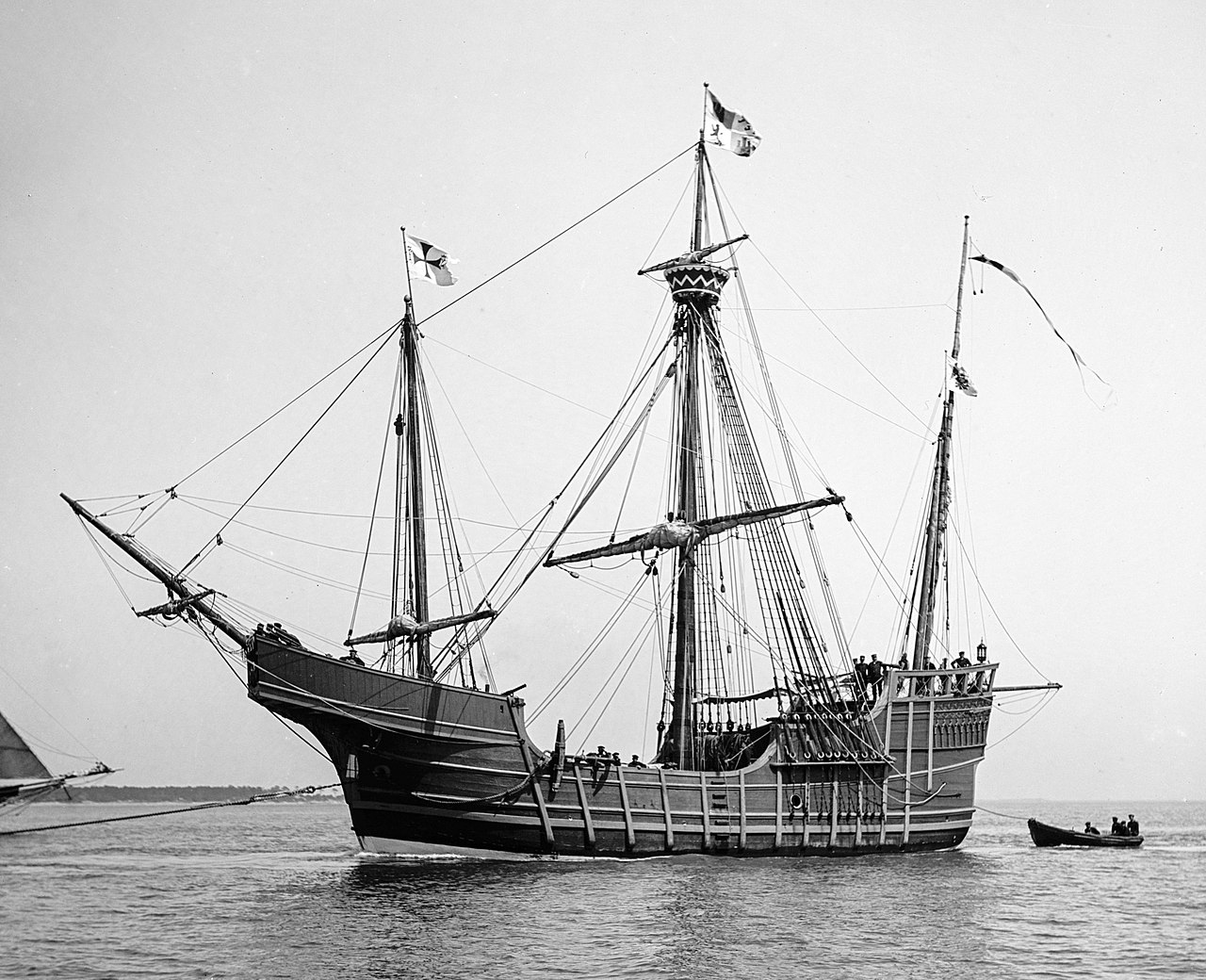
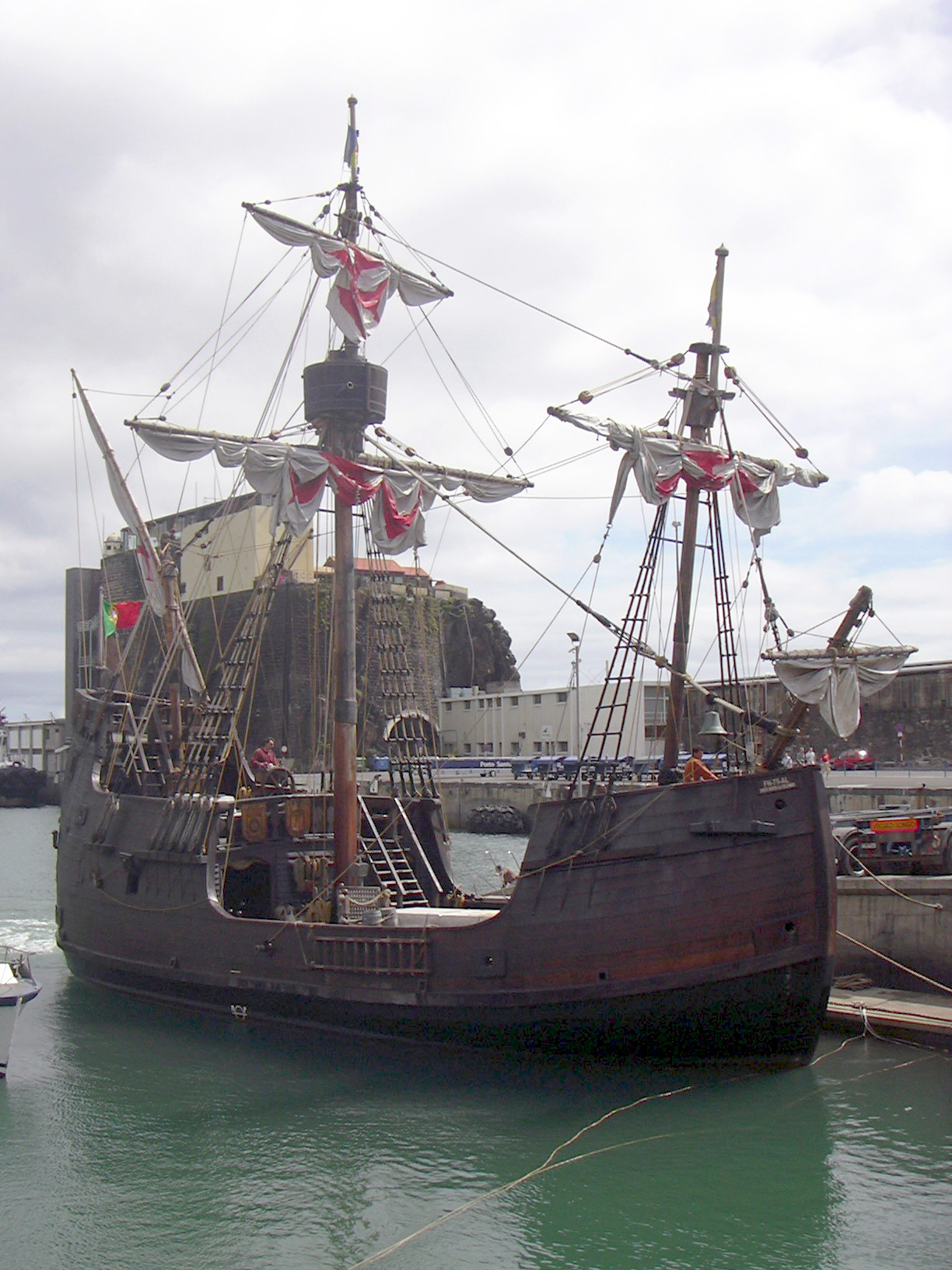
The Santa María was a merchant-style vessel adapted for ocean travel. Contemporary and later descriptions emphasize a high prow and sterncastle, a broad hull for cargo and provisions, and several masts carrying a mix of square and lateen sails. Compared with the nimble caravels, the ship was heavier and slower but offered greater storage and a more stable platform for a fleet commander.
Voyage and loss
On 3 August 1492 Columbus set sail from Spain with three ships. The Santa María served as his command ship during the Atlantic crossing and the first landfall in the Americas on 12 October 1492. In late December of that year the vessel ran aground off the coast of Hispaniola; the hull was damaged beyond practical repair. Materials from the wreck were used to build a small fortified settlement called La Navidad, and the Santa María was left abandoned.
Historical context and importance
The Santa María is significant less as a technological breakthrough than as a symbol of early European voyages across the Atlantic. Its role as flagship made it central to the narrative of contact between Europe and the Caribbean islands. The loss of the ship also shaped Columbus's immediate plans, forcing him to rely on the remaining caravels and on assistance from local resources.
Legacy and modern reconstructions
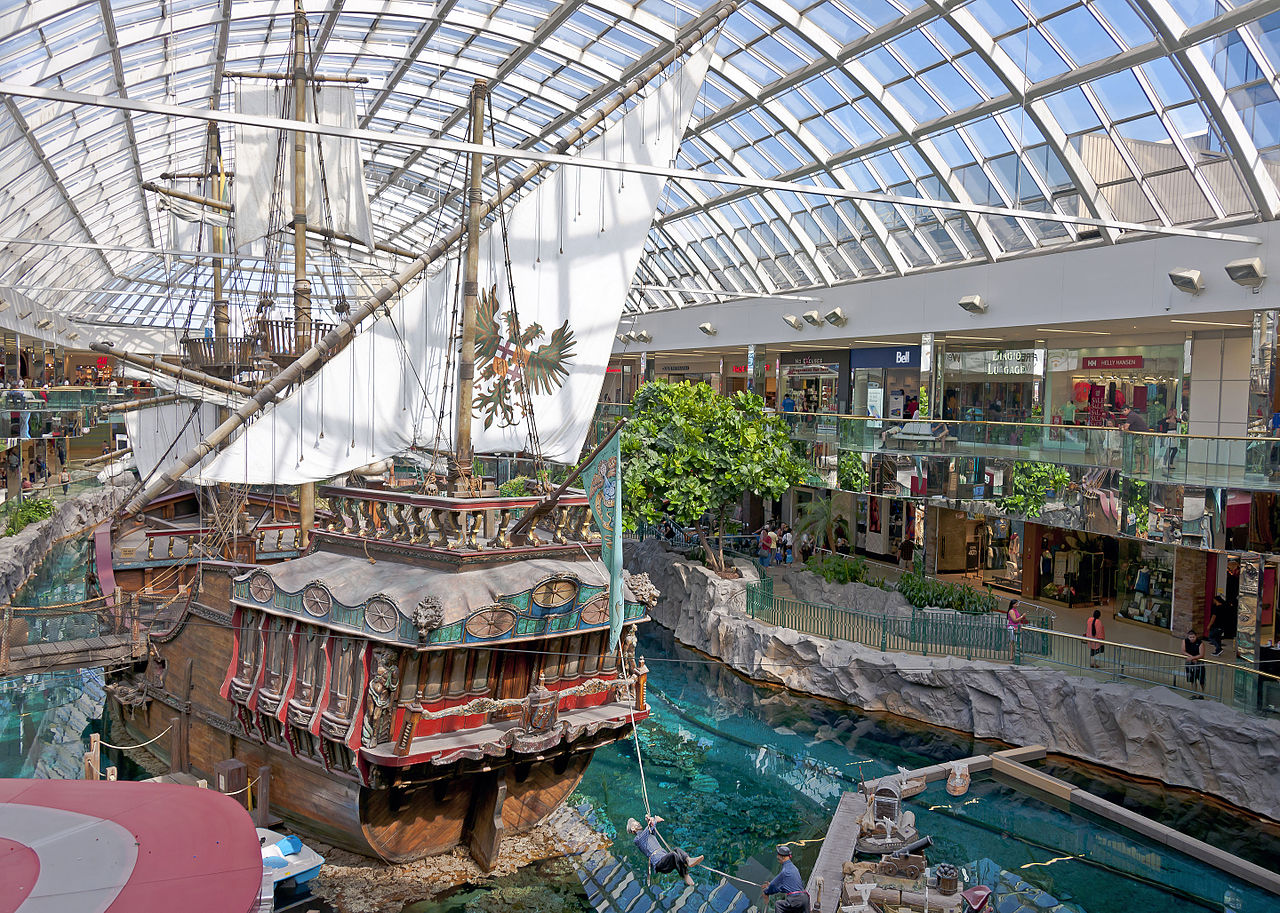
Because no original remains survive, much of what is said about the Santa María rests on contemporary accounts, later chronicles, and maritime archaeology about ships of the era. Replicas and museum exhibits built in the 19th and 20th centuries have reproduced varying interpretations of the vessel's appearance and dimensions. The Santa María continues to appear in artworks, literature, and educational displays about the Age of Discovery.
Distinctions and notable facts
- The Santa María was a larger, heavier ship than the accompanying caravels Niña and Pinta, suited to carry more stores but less maneuverable on open ocean.
- Exact measurements, tonnage and construction details are uncertain and rely on estimates drawn from period shipbuilding practice.
- Its name reflects common practice of dedicating ships to saints or religious figures during the late medieval period.
Related articles
Author
AlegsaOnline.com Santa María (Columbus's flagship) Leandro Alegsa
URL: https://en.alegsaonline.com/art/87147