
Sankt Pölten: capital city of Lower Austria
Overview of Sankt Pölten, the capital of Lower Austria: geography, history, cultural life, economy, landmarks and transport connections, with context and notable facts.
Overview
Sankt Pölten (commonly written St. Pölten) is a city in central Europe that serves as the capital of the Austrian state of Lower Austria. It lies in the Mostviertel region and functions as both an urban municipality and a district seat. The city had a population of roughly 53,000 residents in the mid-2010s and combines administrative importance with a mix of historic and modern architecture.

Image gallery
10 Images




Location and administration
Sankt Pölten is located in the northeastern part of the country, within the federal republic of Austria. It forms the political and administrative centre of Lower Austria, hosting regional government institutions and public services. The municipality includes an urban core and several surrounding cadastral communities; its position on low-lying plains near the Traisen River gives it accessible road and rail links to Vienna and other regional centres.
History and development
The site of Sankt Pölten has roots that reach back to medieval times and earlier settlement in the Danubian basin. Over centuries it evolved from a market town and ecclesiastical centre into a regional capital. In the 20th century the relocation of administrative functions consolidated its role as a seat of government for the state of Lower Austria, bringing investment in public buildings and infrastructure while encouraging cultural institutions to expand.
Characteristics and landmarks
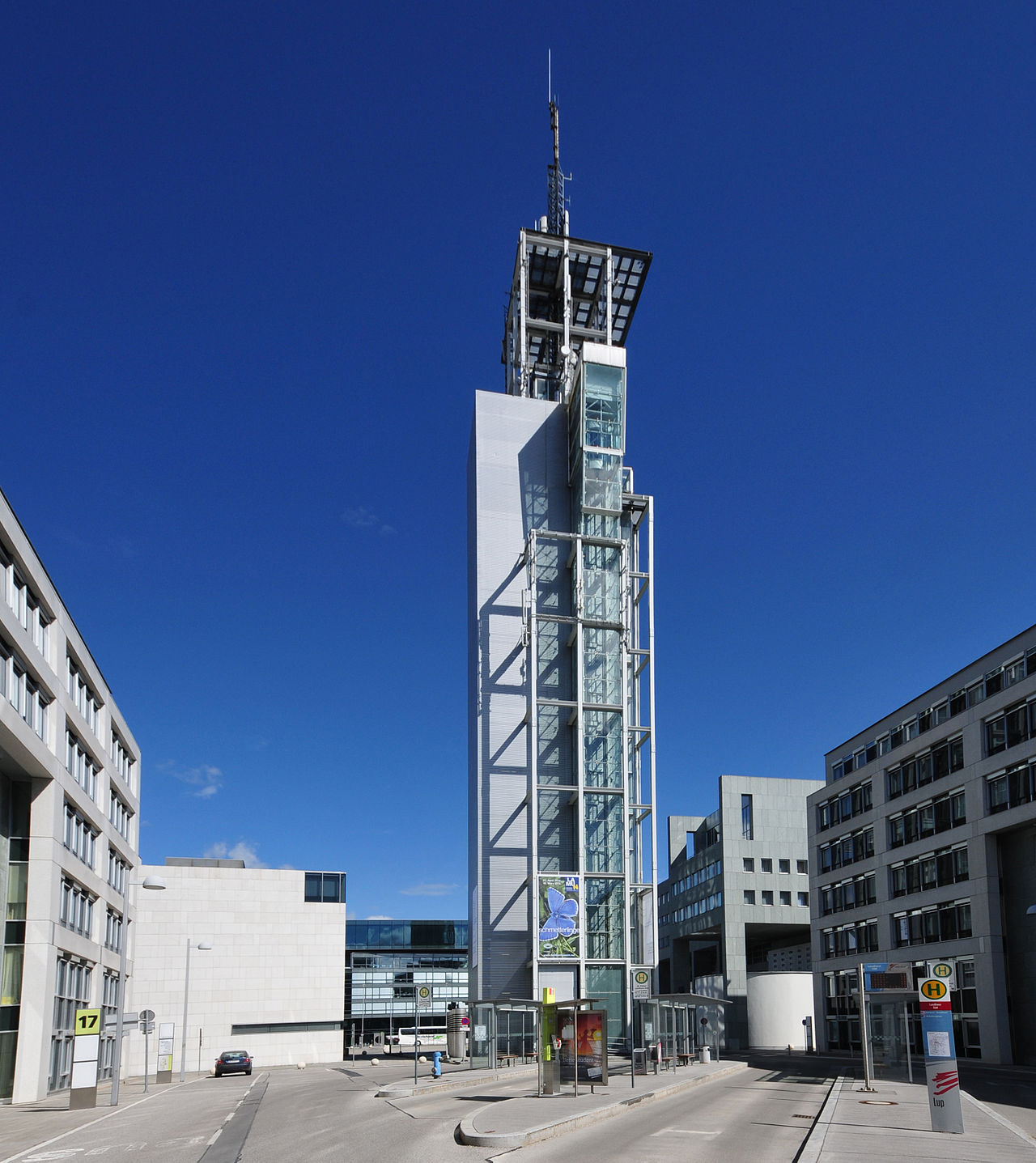
The city displays a mix of architectural styles, including a historic old town with baroque and Gothic elements, 19th-century civic buildings, and contemporary government complexes. Important features and visitor attractions include churches and squares in the inner city, museums that document local history and art, and riverside promenades. Typical characteristics are:
- a compact pedestrian-friendly old town core
- administrative and cultural institutions clustered near the centre
- green zones and nearby agricultural landscape of the Mostviertel
Economy, transport and culture
Sankt Pölten's economy blends public administration with services, education, light industry and tourism. It is served by regional and intercity rail lines and by highways that connect it to Vienna and other Austrian cities, making commuting and trade convenient. Cultural life includes theatres, festivals, and music events; local cuisine reflects Lower Austrian traditions. Educational institutions range from secondary schools to specialized colleges and research centres.
Notable facts and distinctions
As a state capital, Sankt Pölten occupies a role disproportionate to its size: it houses legislative and executive offices for Lower Austria and acts as a focal point for regional planning. While not a large metropolis, it is a hub for governance, culture and regional services. Visitors often discover a balance of historical atmosphere and modern administrative function, with good transport links and a setting representative of the Mostviertel landscape.
Related articles
Author
AlegsaOnline.com Sankt Pölten: capital city of Lower Austria Leandro Alegsa
URL: https://en.alegsaonline.com/art/87061