
Sanqingshan (Mount Sanqing) — Taoist mountain, geology, and biodiversity
Sanqingshan, centered on Mount Sanqing in Jiangxi, China, is a UNESCO World Heritage site known for its granite pillars, Taoist associations, diverse subtropical flora and fauna, and long geological history.
Overview
Sanqingshan, literally "Mountain of the Three Pure Ones," is a protected mountain area in Jiangxi Province, eastern China centered on Mount Sanqing. The site was designated a National Geopark in 2005 and inscribed on the UNESCO World Heritage list in 2008. It is valued for its dramatic natural scenery, important geological record and long cultural associations with Taoism. The mountain’s name refers to three principal summits—Yujing, Yushui and Yuhua—that have been linked to the Taoist trinity known as the Three Pure Ones.
Image gallery
10 Images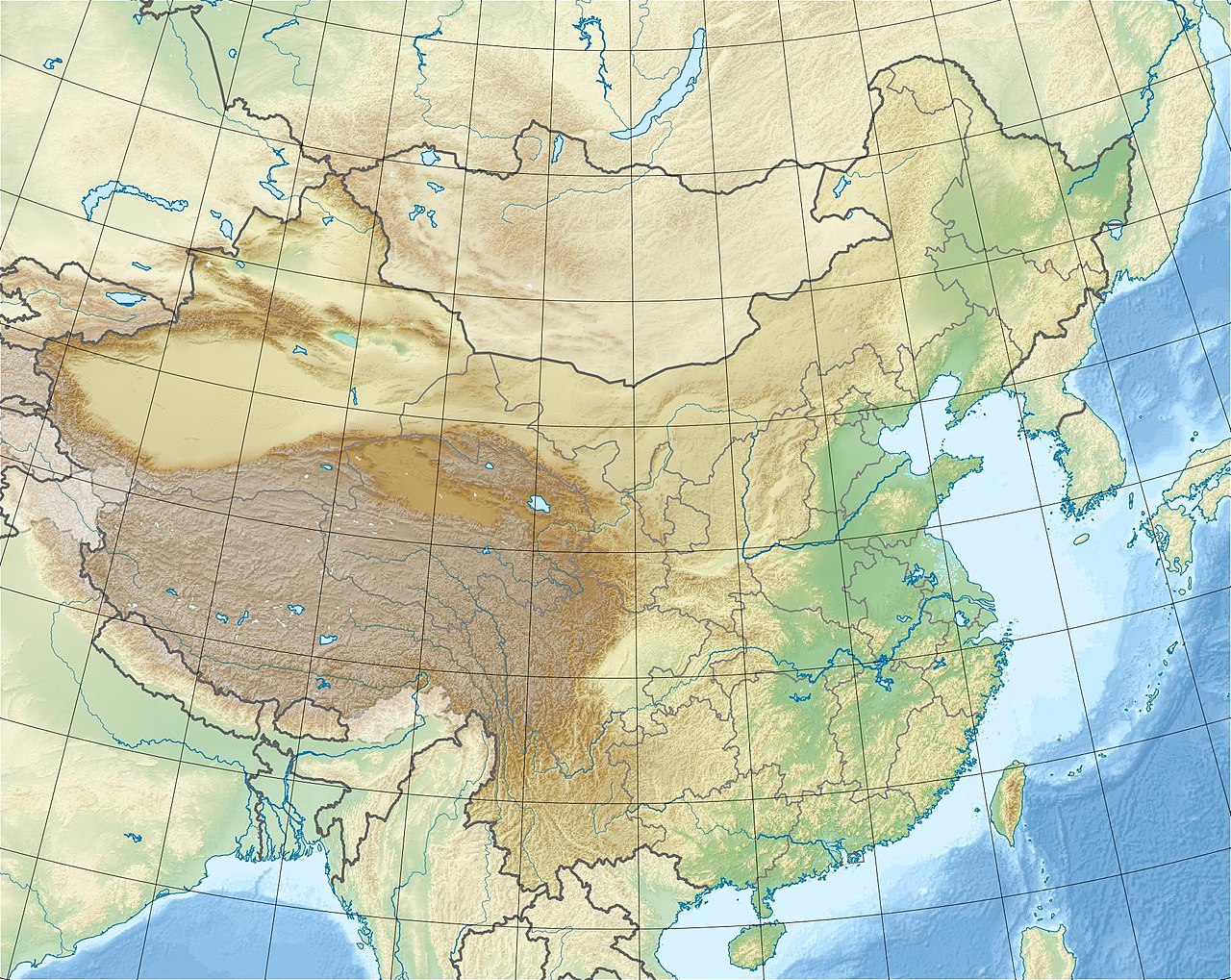


Location and physical setting
Mount Sanqing lies roughly 40 kilometres north of Yushan County in Jiangxi Province. The protected area covers about 229 square kilometres and includes a mix of steep ridges, deep valleys and isolated towers of bare rock that rise above forested slopes and clouds. Elevational gradients and complex topography create many microclimates and a variety of habitats within a relatively compact area.
Landscape and geology
The landscape is dominated by exposed granite that has been sculpted into pillars, fins, balanced stones and sheer cliffs by joint-controlled weathering and long-term erosion. These distinctive landforms are classic examples of granite geomorphology and provide visible records of tectonic and surface processes acting over very long timescales. Geological studies indicate the region preserves evidence spanning hundreds of millions to over a billion years of Earth history, including links to ancient continental assembly and rifting events associated with supercontinent cycles such as Rodinia.
Ecosystems, plants and animals
Sanqingshan supports a rich assemblage of subtropical forest types and montane plant communities. The park is reported to contain over 2,300 species of vascular plants and about 400 species of vertebrates, representing significant biodiversity for the region. Vegetation ranges from evergreen broadleaf forests at lower elevations to mixed and more open communities on higher ridges. Many slopes are clothed with mature trees, rhododendrons, ferns and a diversity of understory plants. The mosaic of habitats supports birds, small mammals, reptiles and amphibians, some of which are regionally characteristic or of conservation interest.
Cultural and spiritual importance
For centuries Mount Sanqing has been a place of Taoist worship, meditation and retreat. Temples, pavilions, stone inscriptions and religious paths are found among the peaks and along valley routes, and the three main summits have been used as symbolic and liturgical references in Taoist cosmology. The aesthetic of peaks rising from mist and the unusual rock silhouettes have inspired artists, poets and religious practitioners and continue to be an important part of the mountain’s cultural identity.
Visiting, management and conservation
Sanqingshan is a well-known destination for hikers, photographers and cultural tourists. A network of trails, viewing platforms and visitor facilities provides access to principal viewpoints while park management seeks to reconcile public access with protection of fragile habitats and geological features. Conservation priorities include maintaining habitat integrity, preventing erosion along key routes, monitoring species, limiting the impacts of heavy visitor use in sensitive areas and supporting scientific research. Authorities and researchers have also emphasized education and interpretation to help visitors understand the site’s natural and cultural values.
Research and protection status
Recognition as a National Geopark and later as a World Heritage Site highlighted both the outstanding scenic quality and the scientific importance of Sanqingshan’s geology and ecology. Ongoing studies address topics such as landscape evolution, biodiversity inventories and the conservation needs of endemic or range-restricted species. The protected status brings obligations for monitoring, reporting and management planning to conserve the site for future generations.
Challenges and outlook
Like many protected areas that attract large numbers of visitors, Sanqingshan faces challenges from tourism pressure, habitat disturbance, invasive species and the longer-term risks of climate change. Effective management combines visitor controls, maintenance of infrastructure to reduce local erosion, ecological restoration where needed, and support for scientific research. Continued collaboration among conservation authorities, local communities and cultural custodians is important to sustaining both natural values and the mountain’s spiritual heritage.
Notable facts
- The three summits—Yujing, Yushui and Yuhua—are central to the mountain’s Taoist identity and its Chinese name.
- Sanqingshan’s granite towers are classic examples of weathered plutonic rock landscapes shaped by long-term geological processes.
- Its inscription as a World Heritage Site recognizes a combination of exceptional natural beauty, geological significance and cultural associations.
Further resources
- Sanqingshan World Heritage listing
- Information on China and provincial context
- Location near Yushan County, Jiangxi
- Taoist symbolism of the three peaks
- National park and protected-area details
- Flora inventory and plant diversity
- Botanical studies and plant communities
- Vertebrate species lists and fauna
- Granite geology of the region
- Timescales of geological evolution
- Research on supercontinent cycles
- Rodinia and ancient continental assembly
Questions and answers
Q: What is Sanqingshan?
A: Sanqingshan is a UNESCO World Heritage Site in China, based on Mount Sanqing, a renowned Taoist sacred mountain.
Q: Where is Mount Sanqing located?
A: Mount Sanqing is located 40 kilometres (25 mi) north of Yushan County in Jiangxi Province, China.
Q: What are the three main summits of Mount Sanqing?
A: The three main summits of Mount Sanqing are Yujing, Yushui, and Yuhua, symbolising the Taoist trinity.
Q: How many species of plants and vertebrates are found in Mount Sanqing?
A: Over 2300 species of plants and 400 species of vertebrates are found in Mount Sanqing.
Q: What is the total area of Mount Sanqing?
A: The total area of Mount Sanqing is 229 km².
Q: When did Mount Sanqing become a National Geopark and a World Heritage Site?
A: Mount Sanqing became a National Geopark in 2005 and a World Heritage Site in 2008.
Q: What is the significance of the granite mountains in Mount Sanqing?
A: The granite mountains in Mount Sanqing hold the evidence of a billion years of geological evolution, including important geological events such as the amalgamation of the supercontinent Rodinia.
Related articles
Author
AlegsaOnline.com Sanqingshan (Mount Sanqing) — Taoist mountain, geology, and biodiversity Leandro Alegsa
URL: https://en.alegsaonline.com/art/87073
Sources
- globalgeopark.org : "Sanqingshan Geopark"
- whc.unesco.org : Canadian fossil park, an Icelandic volcanic island and archipelago in Yemen among sites added to UNESCO World Heritage List