
Bandipur National Park
Protected area in southern India known for tigers, Asian elephants and gaurs; part of the Nilgiri biosphere with dry deciduous forests and important wildlife corridors. Area about 874.20 km².
Overview
Bandipur National Park is a protected wildlife area in southern India. It occupies a mosaic of dry deciduous forests, grassy clearings and river valleys on the edge of the Western Ghats and forms part of the Nilgiri ecological complex. The park is widely recognised for supporting large mammals and for its role in regional conservation planning.
Image gallery
10 Images


Landscape and ecosystems
The terrain at Bandipur ranges from low hills to open plains and seasonal streams. Vegetation is dominated by dry deciduous species, with patches of teak, bamboo and scrub that respond to the monsoon rhythm. This mix of habitats creates feeding and breeding areas for herbivores and associated predators, and provides corridors that link Bandipur with neighbouring reserves.
Wildlife
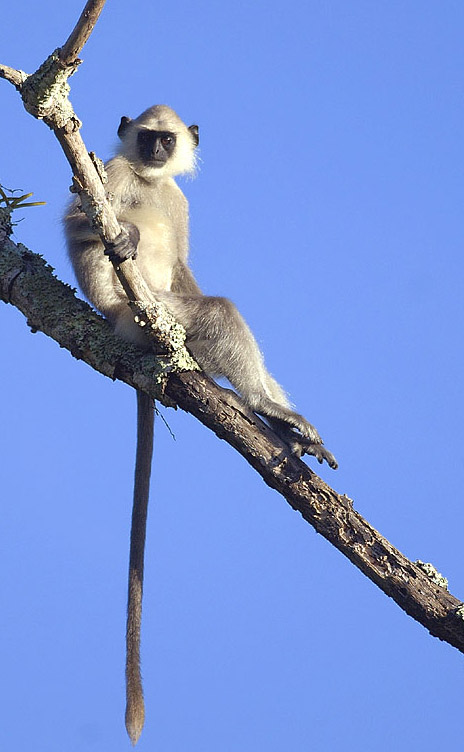
Bandipur is home to a rich assemblage of wildlife. Notable large mammals include the gaur (Indian bison), Asian elephants and resident populations of tigers. Smaller carnivores, deer species, primates, reptiles and a variety of forest and grassland birds are also common. The park’s varied habitats sustain seasonal movements and complex predator–prey dynamics.
History and conservation
In the early 1970s Bandipur became a focus for national conservation efforts. It was notified as a tiger reserve under Project Tiger, reflecting the Indian government's priority to secure core habitats for large carnivores. Since then management has combined anti-poaching measures, habitat protection and scientific monitoring to maintain viable populations.
Uses, tourism and challenges
Tourism provides educational and economic benefits through regulated safaris, nature walks and guided viewing. Management seeks to balance visitor access with wildlife needs; issues such as human–wildlife conflict, vehicle disturbance and habitat fragmentation remain ongoing concerns. Conservation planners emphasize landscape connectivity to maintain gene flow between protected areas.
Significance and facts
- Area: approximately 874.20 km².
- Integral part of the larger Nilgiri–Eastern Ghats landscape that supports long-distance movements.
- Plays a key role in regional biodiversity conservation, research and community-based initiatives.
Bandipur illustrates how protected areas can conserve large mammals while engaging with local communities and neighbouring reserves to sustain ecosystems at a landscape scale.
Related articles
Author
AlegsaOnline.com Bandipur National Park Leandro Alegsa
URL: https://en.alegsaonline.com/art/8696
Sources
- indianwildlifeportal.com : Bandipur National Park