
Banff, Alberta: mountain town in Banff National Park
Banff is a resort town in Banff National Park, Alberta, Canada, known for its mountain scenery, outdoor recreation, high elevation, and role as a gateway to the Canadian Rockies.
Overview
Banff is a small resort town set within Banff National Park in the province of Alberta, Canada. It functions as a service and recreation centre for visitors to the Canadian Rockies, offering accommodations, shops, cultural institutions and access to surrounding wilderness. The town combines tourism infrastructure with conservation policies because it lies inside one of Canada's most visited protected areas.
Image gallery
7 Images




Location and characteristics
Situated along the Trans-Canada Highway, Banff is roughly 126 km west of Calgary and about 58 km east of Lake Louise. The community sits at high elevation—between approximately 1,400 and 1,630 metres above sea level—making it one of Alberta's highest towns; it is commonly cited as the province's second-highest community after Lake Louise (see reference) and elevation details are frequently given in regional guides (elevation source).
History and development
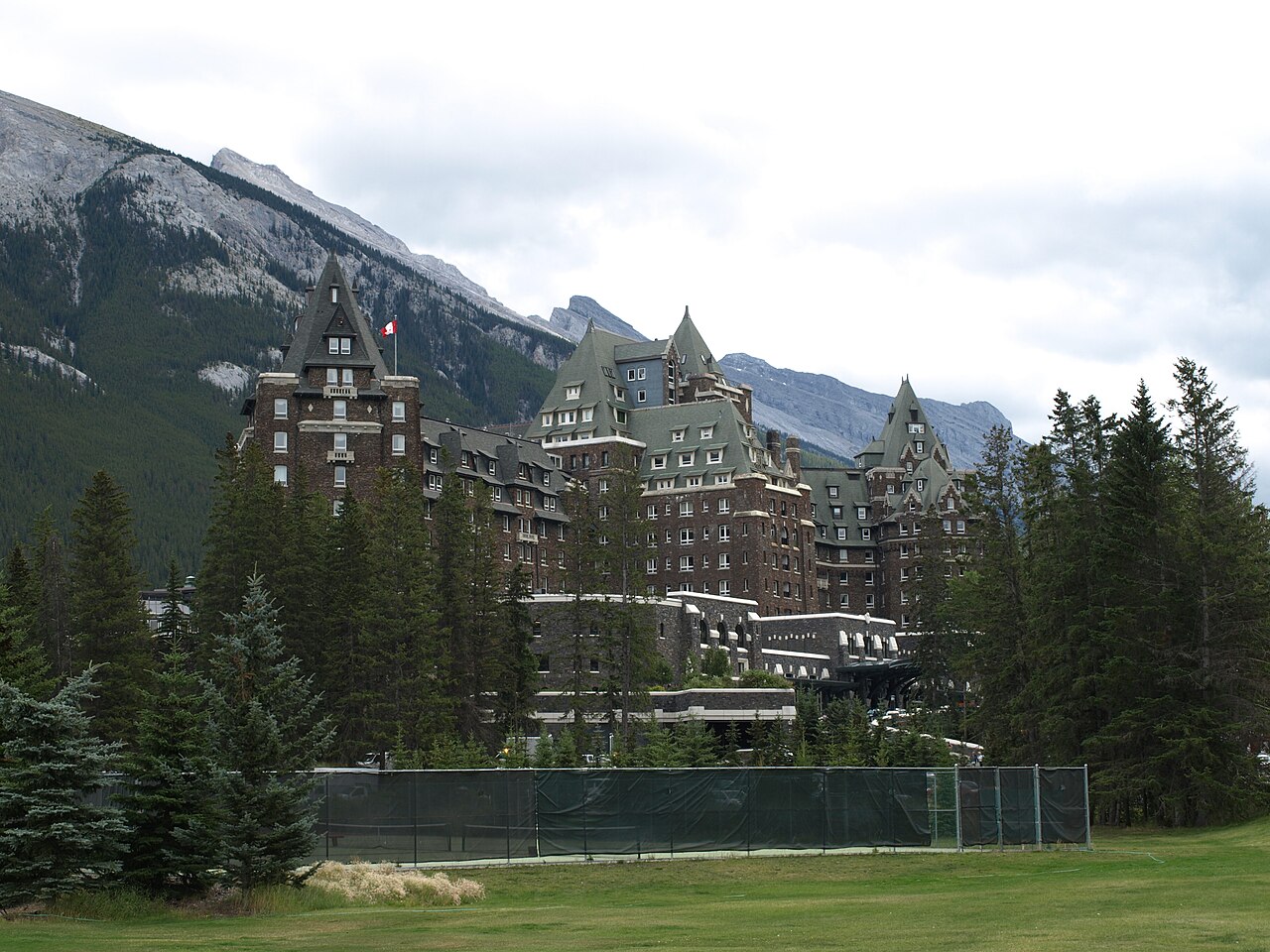
Banff began as a settlement tied to 19th-century railway construction and early park establishment. The discovery of hot springs and the creation of protected lands encouraged tourism and government investment. Over time, wooden lodges and hotels gave way to modern hospitality facilities while planning has sought to balance visitor services with park conservation and wildlife protection.
Tourism, recreation and attractions
Tourism is the town's economic backbone. Popular activities include alpine skiing, hiking, mountain biking, wildlife viewing, and hot-spring relaxation. Key visitor draws include:
- Access to trailheads and scenic viewpoints in the surrounding national park
- Resort ski areas and winter sports facilities
- Cultural sites such as local museums, galleries and performing events
- Shopping and dining concentrated along the town’s main streets
Environment and climate
The high-elevation, subalpine climate brings cold, snowy winters and mild summers. Weather and daylight vary strongly with season, influencing when particular recreational activities are most feasible. Because Banff lies inside a national park, land use is regulated to reduce impacts on wildlife corridors, watersheds and native vegetation.
Administration and notable facts
Banff operates under municipal governance while also cooperating with federal park authorities to manage infrastructure, visitor services and conservation. It is part of the larger Canadian Rocky Mountain Parks region, which is recognized for its outstanding mountain landscapes and protected ecosystems. As a gateway community, Banff plays an important role in both promoting access to the Rockies and demonstrating approaches to sustainable tourism.
Questions and answers
Q: Where is Banff located?
A: Banff is located in Banff National Park in Alberta, Canada.
Q: How far is Banff from Calgary?
A: Banff is approximately 126 km (78 mi) west of Calgary.
Q: What is Banff's elevation above sea level?
A: Banff's elevation above sea level ranges from 1,400 to 1,630 m (4,590 to 5,350 ft).
Q: What is the second highest elevated community in Alberta after Lake Louise?
A: Banff is the community with the second highest elevation in Alberta, after Lake Louise.
Q: What is the distance between Banff and Lake Louise?
A: Banff is 58 km (36 mi) east of Lake Louise.
Q: What is the significance of Trans-Canada Highway to Banff?
A: Banff is located along the Trans-Canada Highway in Alberta's Rockies.
Q: Is Banff a town or a city?
A: Banff is a town located in Alberta, Canada.
Related articles
Author
AlegsaOnline.com Banff, Alberta: mountain town in Banff National Park Leandro Alegsa
URL: https://en.alegsaonline.com/art/8711
Sources
- municipalaffairs.alberta.ca : "Location and History Profile: Town of Banff" · web.archive.org
- municipalaffairs.alberta.ca : "Municipal Officials Search"
- safetycodes.ab.ca : "Alberta Private Sewage Systems 2009 Standard of Practice Handbook: Appendix A.3 Alberta Design Data (A.3.A. Alberta Climate Design Data by Town)" · web.archive.org