
San Pedro Sula — Honduras' industrial hub and second-largest city
San Pedro Sula is a major Honduran city, capital of Cortés Department. An industrial and commercial center, it anchors a large metropolitan area and serves as a gateway to the Caribbean coast.
San Pedro Sula is a principal city in northern Honduras and the capital of the Cortés Department. It is widely recognized as the country's industrial and commercial heart. According to 2010 figures, the municipality had about 873,824 inhabitants and the wider metropolitan area roughly 1,245,598 people, making it the nation's second-largest urban area after Tegucigalpa.
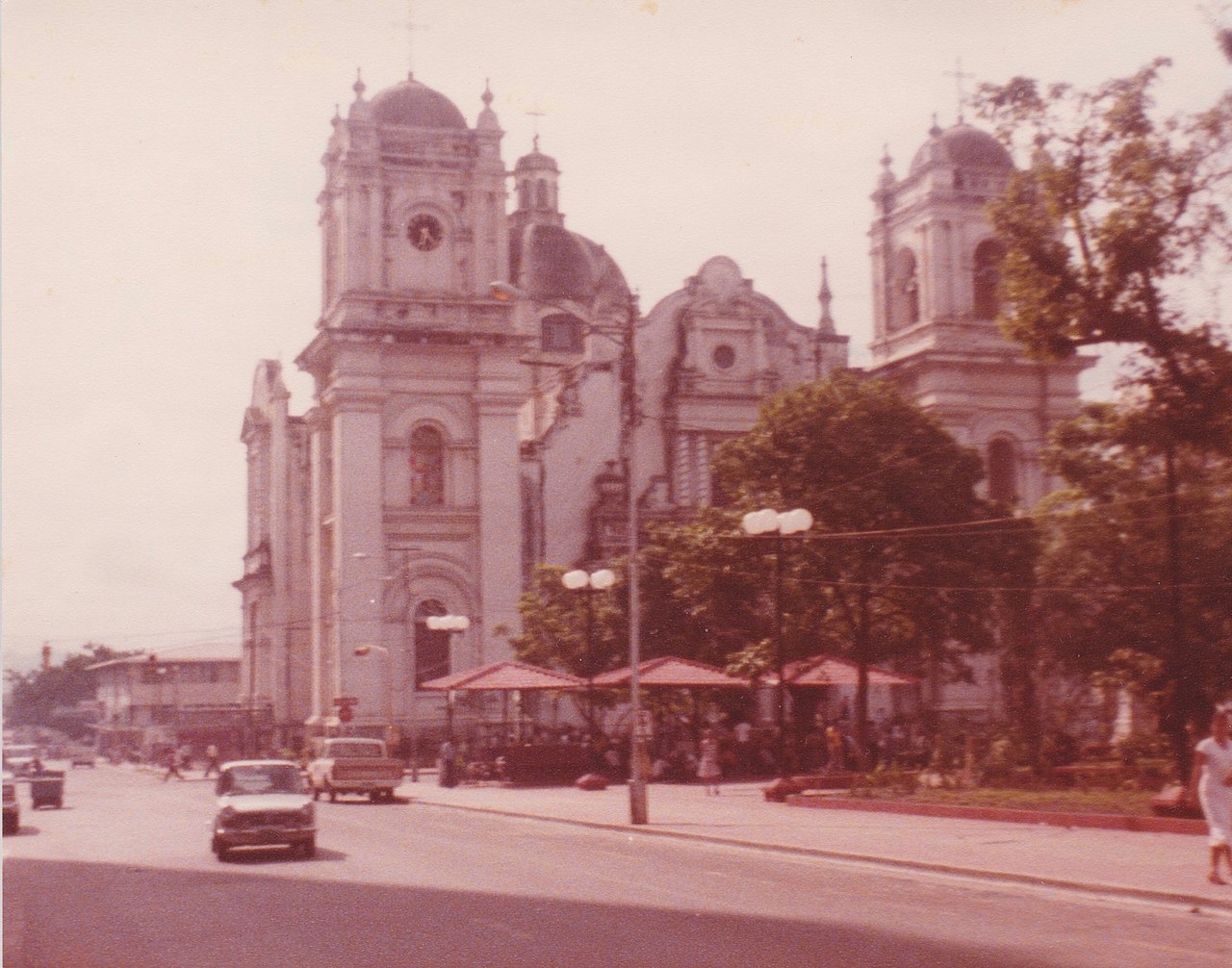
Image gallery
10 Images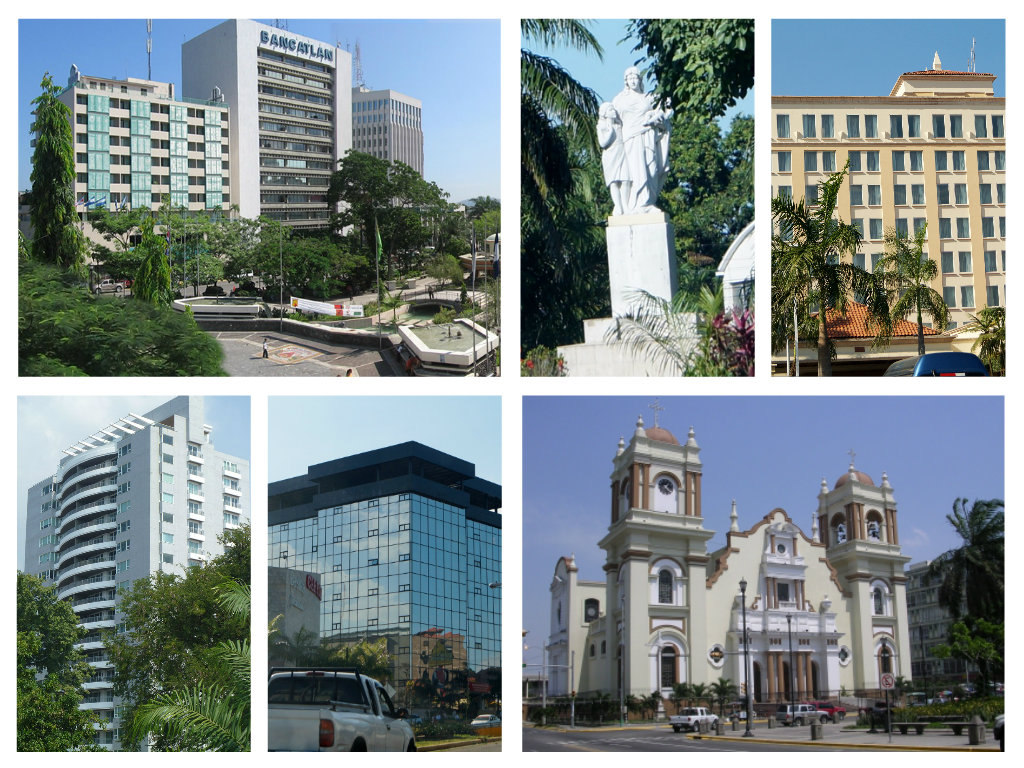



Geography and climate
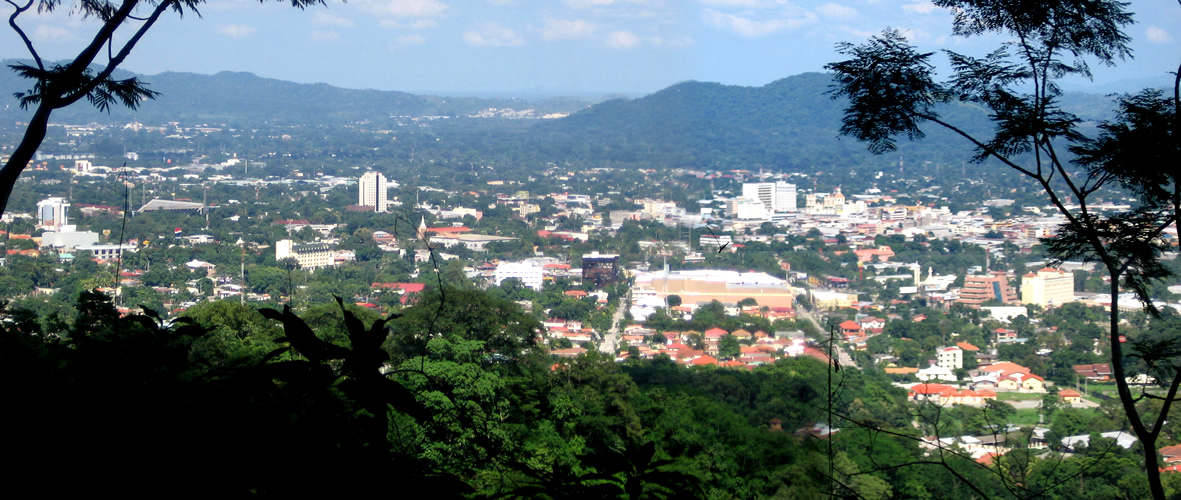
The city lies in the Sula Valley, a fertile lowland between mountain ranges that opens toward the Caribbean. This location has shaped its economy and transport links. The climate is tropical, generally hot and humid with a distinct rainy season, which supports agricultural activity in surrounding areas and contributes to the region's year-round commercial activity.
History and development
San Pedro Sula grew from a colonial settlement in the 16th century into an important regional center. Over time it developed port and rail connections to the Caribbean coast and evolved into an industrial base during the 20th century, particularly as export agriculture and later manufacturing expanded in the Sula Valley.
Economy, industry and transport
The city's economy centers on manufacturing, commerce and logistics. Textile assembly plants and light manufacturing (maquiladoras), distribution services, and food processing are major employers. San Pedro Sula functions as a logistics hub for exports through the nearby Caribbean port and for goods routed to and from interior Honduras. The urban area is served by Ramón Villeda Morales International Airport and by major highways that link the city to other population centers and to the port of Cortés.
Culture, institutions and population
The metropolitan area is home to a diverse urban population and a range of educational and cultural institutions, including universities, museums and civic organizations. Local commerce, markets and festivals reflect a mix of indigenous, European and Afro-Caribbean influences common to northern Honduras.
Challenges and notable facts
- San Pedro Sula is a leading industrial center in Honduras and a key node for trade in the region.
- The city has faced social and security challenges in recent decades, which have drawn national and international attention; authorities have pursued various policies to improve public safety and economic opportunity.
- As capital of the Cortés Department, it remains central to national manufacturing, finance and transportation networks.
For more statistical and administrative information, consult municipal or national sources such as local government publications and census data accessible through official portals like municipal resources.
Related articles
Author
AlegsaOnline.com San Pedro Sula — Honduras' industrial hub and second-largest city Leandro Alegsa
URL: https://en.alegsaonline.com/art/86913
Sources
- commons.wikimedia.org : San Pedro Sula
- world-gazetteer.com : "Honduras: largest cities and towns and statistics of their population"
- world-gazetteer.com : "Honduras: metropolitan areas"
- internationalspecialreports.com : San Pedro Sula becomes popular convention destination