
San Diego Comic-Con: Origins, Events, and Cultural Influence
San Diego Comic-Con is a major annual fan convention founded in 1970 to celebrate comics; it has grown into a global pop-culture event featuring panels, film and TV previews, exhibitors, cosplay, and collectibles.
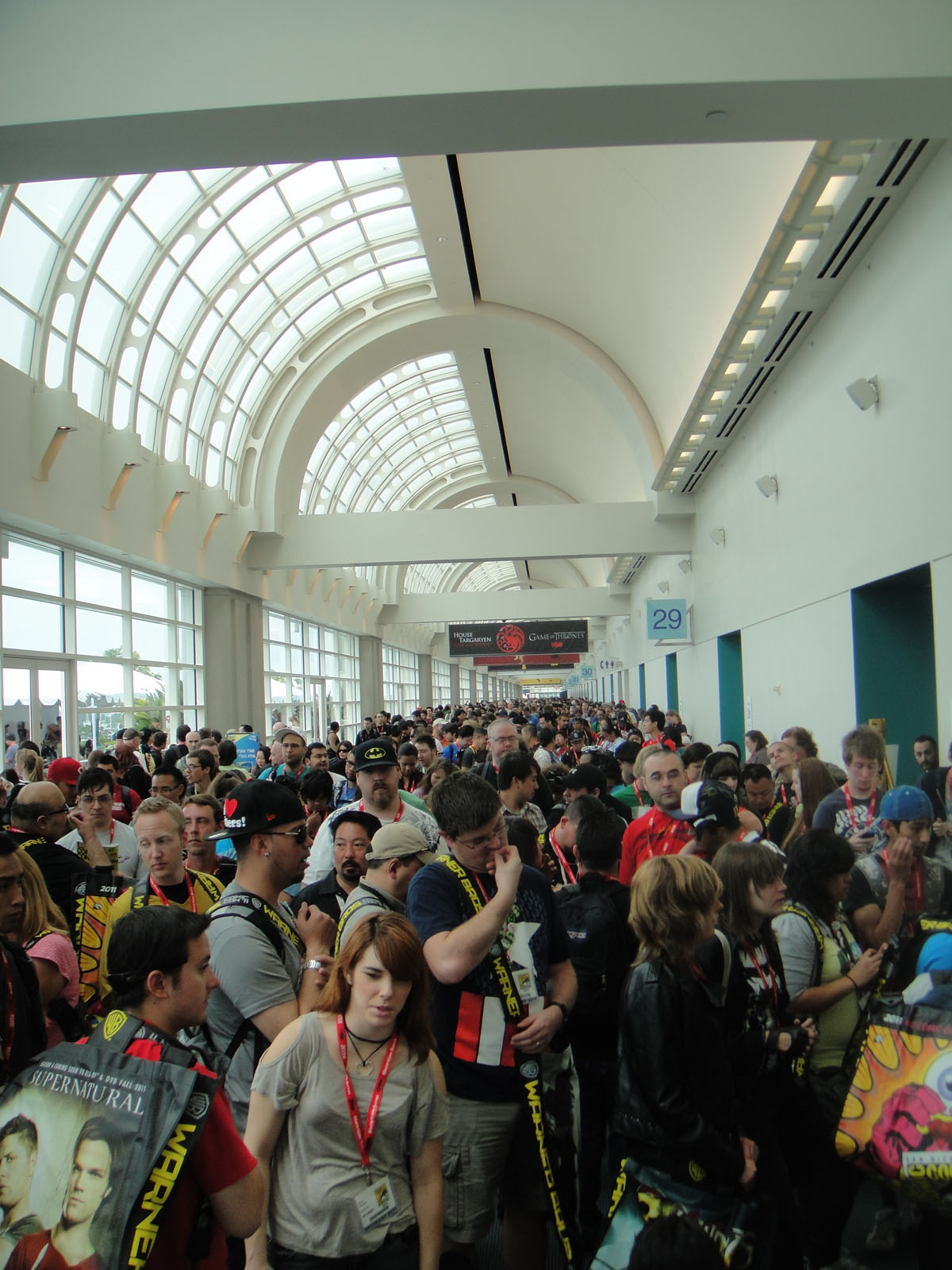
San Diego Comic-Con (often shortened to Comic-Con or SDCC) began in 1970 as a local gathering for comic-book enthusiasts and creators. Organized initially by comics fan and promoter Shel Dorf and other San Diegans, it grew from small meetings and retailer-hosted events into one of the most visible fan conventions in the world. What began with a focus on printed comics now embraces a broad range of popular culture, including film, television, games, and collectibles.
Image gallery
5 Images


Origins and evolution
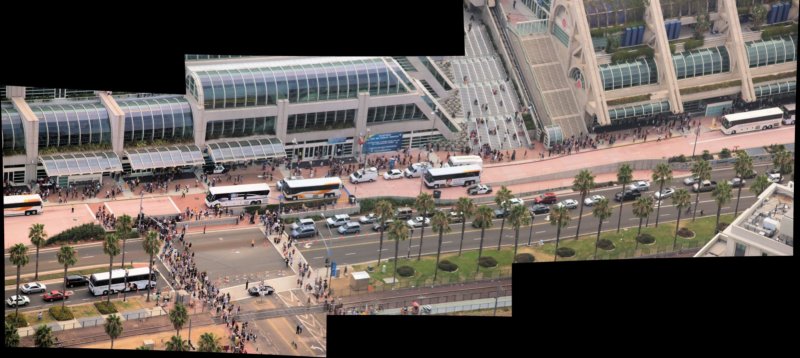
The convention started as an opportunity for fans to meet artists and writers and to buy, sell, and discuss comic books. Over the decades its scope widened as major studios, publishers, and media companies recognized the value of a concentrated, media-savvy audience. The event moved through several venues in San Diego before settling downtown in the early 1990s, and it now occupies a large portion of the city's convention and exhibition space each year.
Activities and typical programming
SDCC combines a diverse lineup of activities that attract different kinds of attendees. Key elements include:
- Panels and presentations: Creators, producers, and actors appear on-stage to discuss projects and deliver exclusive announcements.
- Exhibit floor: Publishers, studios, retailers, and toy companies showcase new products, signings, and promotional displays.
- Artist Alley: A designated area where comic artists and writers sell work and interact with fans.
- Cosplay and contests: Fans often dress as characters and participate in parades and the Masquerade.
- Hall H and major stages: Large-capacity rooms host high-profile reveals and premieres that generate significant media attention.
Cultural and economic significance
Beyond fan enjoyment, Comic-Con functions as a major marketing platform: studios debut trailers and make casting or creative announcements, publishers reveal projects, and vendors release convention-exclusive items. The influx of visitors each year provides a notable economic boost to San Diego through hotels, restaurants, and related services. At the same time, the event shaped the modern convention model, influencing how fandom and media industries interact.
Notable distinctions and contemporary issues
Comic-Con is organized by the nonprofit Comic-Con International, which also produces smaller events and awards. The convention's success has led to capacity challenges and intense demand for badges and hotel rooms, prompting ticketing reforms and expansion of related events. SDCC is often contrasted with regional comic conventions by its scale, media presence, and industry participation.
For prospective attendees, planning is essential: badges sell quickly, major panels require early queues, and exclusives can be limited. Whether one attends for comic creators, celebrity panels, or the community spirit of cosplay, San Diego Comic-Con remains a central gathering for contemporary fan culture.
Related articles
Author
AlegsaOnline.com San Diego Comic-Con: Origins, Events, and Cultural Influence Leandro Alegsa
URL: https://en.alegsaonline.com/art/86794
Sources
- jimhillmedia.com : The "Secret Origin" of San Diego's Comic-Con International