
San Basilio (Sardinia) — town and comune in Sud Sardegna
San Basilio is a small town and comune in the Province of Sud Sardegna, Sardinia, Italy, known in Sardinian as Santu 'Asìli 'e mònti. Area 44.63 km²; population 1,238 (2016); elevation 415 m.
San Basilio (Sardinian: Santu 'Asìli 'e mònti) is a small town and administrative comune in the Province of Sud Sardegna on the island of Sardinia. The community is part of Italy's system of municipalities and lies inland amid the island's hilly interior. For basic municipal information see San Basilio and the comune profile. The island context is important: San Basilio is located on Sardinia and within the country of Italy.
Image gallery
1 Image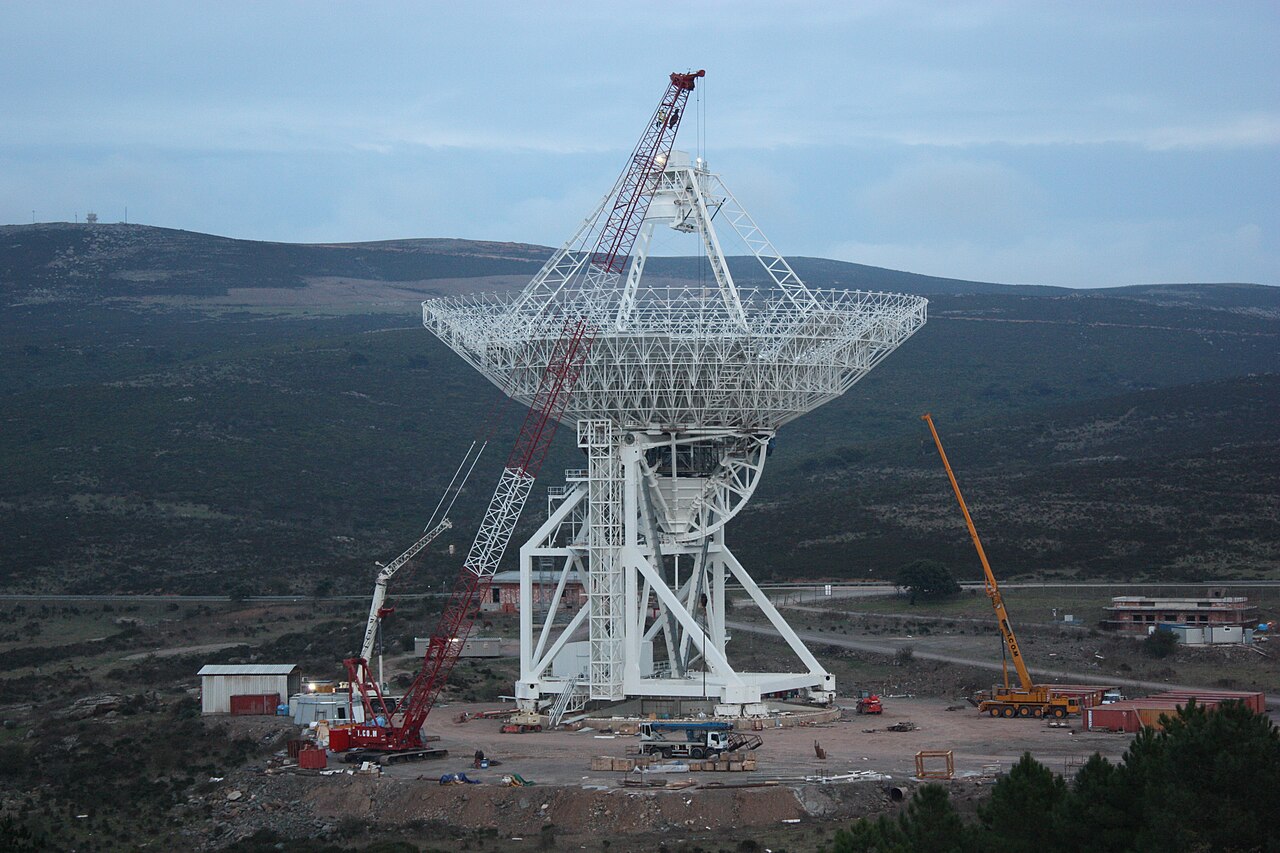
Key characteristics
- Population: 1,238 (reported in 2016).
- Area: 44.63 km².
- Elevation: about 415 metres above sea level.
- Administrative status: comune in the Province of Sud Sardegna.
The place name evokes Saint Basil and the local Sardinian form highlights the community's linguistic heritage. The town sits on upland terrain typical of central-southern Sardinia, with a mix of cultivated fields, pasture and Mediterranean scrub visible from nearby ridges.
History and cultural background
Sardinia has a long human presence stretching from prehistoric nuragic societies through classical and medieval periods; many small villages on the island developed around churches, farming estates or strategic hill sites. San Basilio's identity reflects this layered past, blending Sardinian language and customs with Christian patronage suggested by its name. Local festivals, parish celebrations and traditional crafts connect the present-day community to regional culture.
Economy, landscape and daily life
Like many inland Sardinian towns, San Basilio's economy is shaped by agriculture, livestock and small-scale local services. The landscape supports grazing and seasonal cultivation; residents often maintain strong ties to the land and to nearby towns for markets and services. Quiet rural roads and natural scenery make such communities points of interest for visitors seeking off-the-beaten-track experiences or agritourism stays.
Administration and contemporary issues
As a comune, San Basilio is governed by a municipal council responsible for local services, planning and cultural activities. Small towns across Sardinia face demographic challenges including aging populations and youth outmigration; at the same time, there is interest in preserving language, traditions and rural livelihoods. Further practical details and contacts are commonly available through provincial and regional information channels.
Notable points: the Sardinian name Santu 'Asìli 'e mònti highlights local language use; the town's modest population and inland elevation distinguish it from coastal resorts; and its municipal role situates it within Italy's layered local-government system.
Related articles
Author
AlegsaOnline.com San Basilio (Sardinia) — town and comune in Sud Sardegna Leandro Alegsa
URL: https://en.alegsaonline.com/art/86778
Sources
- demo.istat.it : "Popolazione Residente al 1° Gennaio 2018"
- demo.istat.it : Istituto Nazionale di Statistica - Bilancio demografico al 30/11/2016
- istat.it : Superficie territoriale per zona altimetrica