
San Cristóbal, Dominican Republic
San Cristóbal is the capital of San Cristóbal province in the Dominican Republic, a historic city about 26 km from Santo Domingo with agricultural, industrial and commuter ties.
Overview
San Cristóbal is a city in the Dominican Republic that serves as the head municipality of the San Cristóbal province. As an urban center located roughly 26 km from the national capital, it combines administrative functions with suburban and commercial roles. The town is commonly described as a city where many residents live while commuting to jobs in nearby metropolitan areas.
Image gallery
6 Images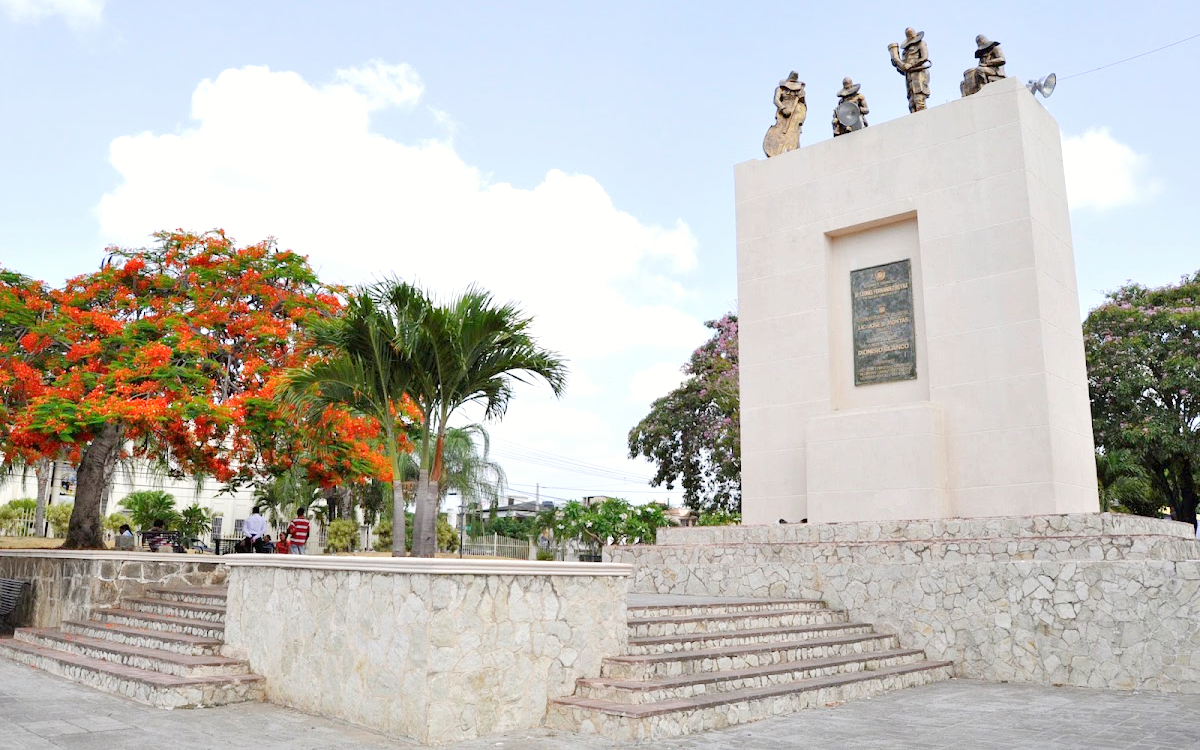


History and development
Founded in the colonial era, San Cristóbal expanded gradually from an agricultural settlement into an administrative town and regional market. Over the 19th and 20th centuries, improved roads and growing commerce increased its population and local services. The city is also known as the birthplace of a prominent national figure, a fact that has influenced its historical memory and local landmarks.
Geography and transport
Positioned southwest of Santo Domingo, San Cristóbal occupies a transitional zone between coastal plains and inland hills. Its location on main roadways makes it a transport node for goods and commuters traveling between the capital and southwestern provinces. Local transport includes buses and shared vehicles that link neighborhoods to regional highways.
Economy and land use
The local economy mixes agriculture, light industry and services. Surrounding rural areas produce crops and livestock, while industrial parks and workshops in and near the city host manufacturing and processing activities. Many households participate in the broader metropolitan labor market, commuting daily to employment centers.
Culture and civic life
San Cristóbal preserves typical Dominican cultural traits: patron-saint celebrations, community festivals, local markets and neighborhood associations. Annual events tied to the town's patron and civic calendar draw residents from nearby municipalities and contribute to local identity. The municipality maintains municipal institutions that provide education, health and public services to the province.
Key features
- Administrative capital of the province and center for provincial services (municipality governance).
- Close proximity to the national capital, facilitating commuter flows and economic links.
- Blend of agricultural hinterland and urban-industrial activity.
- Places of historic interest associated with national history and local traditions.
Questions and answers
Q: Where is San Cristóbal located?
A: San Cristóbal is a city located in the Dominican Republic.
Q: What is the role of San Cristóbal as a municipality?
A: San Cristóbal serves as the head municipality of the San Cristóbal province.
Q: How far is San Cristóbal from the national capital?
A: San Cristóbal is only 26 km (16 mi) from the national capital of Santo Domingo.
Q: Why do many people live in San Cristóbal but work in Santo Domingo?
A: Many people live in San Cristóbal but work in Santo Domingo because the city is close to the national capital.
Q: Is San Cristóbal a popular place to live in the Dominican Republic?
A: Yes, San Cristóbal is a popular place to live in the Dominican Republic.
Q: What is the population of San Cristóbal?
A: The population of San Cristóbal is not provided in the given text.
Q: What kind of city is San Cristóbal?
A: San Cristóbal is a Dominican city with a significant population that is in close proximity to the national capital.
Related articles
Author
AlegsaOnline.com San Cristóbal, Dominican Republic Leandro Alegsa
URL: https://en.alegsaonline.com/art/86786
Sources
- censo2010.one.gob.do : "IX Censo Nacional de Población y Vivienda 2010"
- one.gob.do : "División Territorial 2015"
- san-cristobal-do.climatemps.com : "San Cristobal Climate & Temperature"