
Salt marsh (coastal wetland)
Salt marshes are tidal coastal wetlands flooded by seawater that host salt-tolerant plants and diverse wildlife, store carbon, reduce flood risk, and serve as important nursery habitats.
Overview
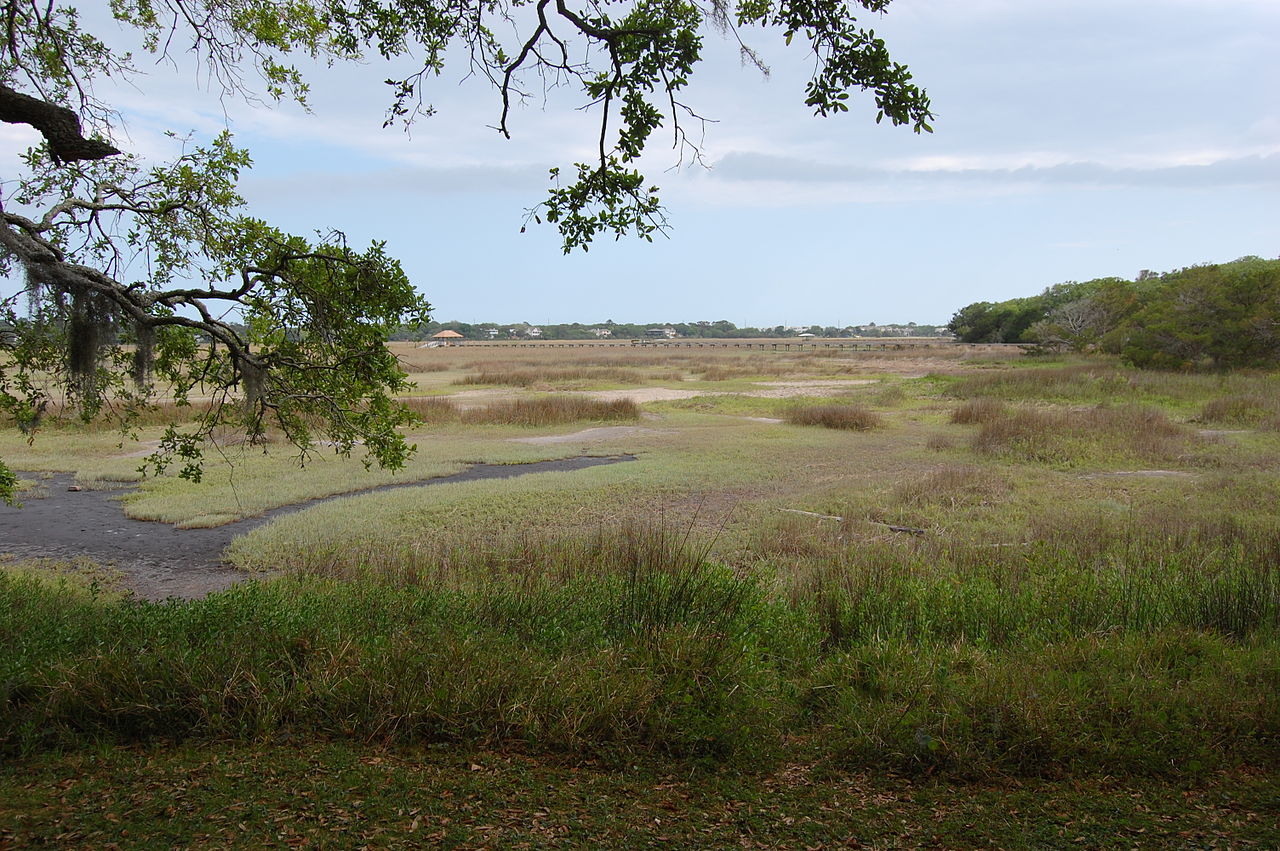
A salt marsh is a low-lying coastal wetland that is periodically flooded by tides and influenced by the sea. These systems form in sheltered places along estuaries, bays and the upper reaches of tidal inlets where wave energy is low. Salt marshes occupy the interface between land and the marine environment and are commonly found beside tidal creeks and mudflats in temperate regions. They are closely tied to nearby coastal waters for their tidal flooding and salinity regime.
Image gallery
10 Images




Characteristics and vegetation
Salt marshes are characterized by fine sediments, gentle tidal exchange, and a mix of saline and brackish conditions. Plants that tolerate salt and waterlogging—so-called halophytes—dominate the landscape. Typical vegetation includes grasses and low herbs that trap sediment and build elevation over time. These plants create a distinctive zonation from lower tidal channels to higher marsh platforms where different species tolerate different inundation levels.
Ecology and key functions
Salt marshes support diverse communities of invertebrates, fish and birds and function as productive coastal habitats. They act as nurseries for juvenile fish and provide feeding and nesting grounds for migratory birds. Many species of animals rely on marshes during part of their life cycles. Salt marshes also perform vital ecosystem services that benefit humans and wildlife alike:
- Flood and storm protection by absorbing wave energy and storing water.
- Water filtration through trapping of sediments and uptake of nutrients.
- Carbon storage in deep organic soils, helping mitigate climate change.
These attributes make them valuable habitats for conservation and coastal management.
Formation, history and threats
Salt marshes develop where sediment accumulation and salt-tolerant vegetation allow land to build upward in response to regular tidal flooding. Over centuries many marshes have shifted with sea-level change and human alteration of coasts. Today they face threats from coastal development, pollution, invasive species and accelerated sea-level rise. Management approaches include protected areas, restoration of tidal flow and sediment replenishment to preserve their ecological functions.
Salt marshes are distinct from mangrove forests (typically tropical, with woody trees) and from freshwater marshes (which lack regular saline inundation), but all are important types of wetlands that support biodiversity and provide natural coastal resilience.
Related articles
Author
AlegsaOnline.com Salt marsh (coastal wetland) Leandro Alegsa
URL: https://en.alegsaonline.com/art/86548