
Sainte-Valière — small commune in Aude, Occitanie, France
Sainte-Valière is a small rural commune in the Aude department of Occitanie, southern France. Known for its village character, agricultural landscape and proximity to Mediterranean influences.
Overview
Sainte-Valière is a rural commune in southern France with a recorded population of 563 inhabitants in 2017. The village is administered as a commune and has a compact settlement pattern typical of the region; more administrative information can be found on the commune profile page Sainte-Valière (commune). It lies within the larger territorial region of Occitanie and is part of the Aude department Aude.
Image gallery
1 Image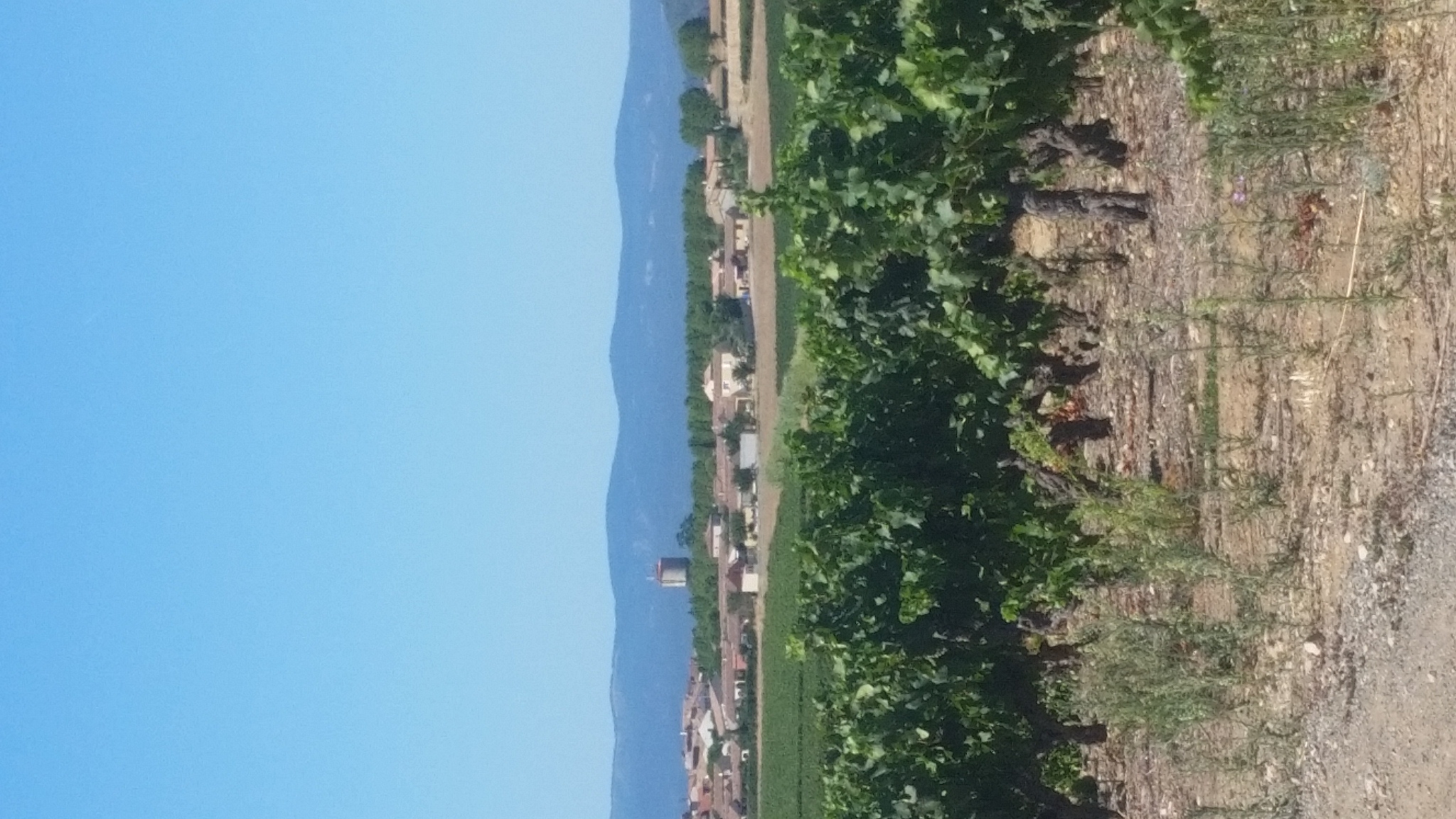
Geography and landscape
Sainte-Valière occupies a landscape shaped by Mediterranean influences: warm summers, mild winters and vegetation adapted to these conditions. Surrounding land is commonly used for mixed agriculture and vineyards, and the countryside offers a patchwork of fields, hedgerows and small wooded areas. Visitors looking for regional context may consult the Occitanie tourism resources regional information.
The setting makes the commune a gateway for walking, cycling and enjoying rural scenery. Local routes often link to nearby villages and natural features in the department; departmental resources and maps are available from the Aude departmental site Aude department.
History, built environment and community life
Like many villages in this part of France, Sainte-Valière has historic layers visible in its village center: a parish church, traditional houses and stone lanes that reflect centuries of rural life. The settlement’s origins are rooted in local agriculture and small-scale trade; over time it has preserved a quiet village character. Community life is typically organized around municipal events, seasonal markets and local associations.
Economically the commune relies mainly on agriculture, viticulture and small businesses, with some residents commuting to larger towns for work. Those seeking a wider overview of southern France and travel planning can consult regional summaries southern France overview.
- Typical activities: walking, wine route visits, village festivals and local markets.
- Practicalities: municipal services are managed locally by the town hall and mayor’s office; visitor information is often available through regional and departmental sites.
For official notices, local events and administrative contacts the commune profile and departmental pages remain the best starting points: commune page, Aude and regional portals Occitanie.
Related articles
Author
AlegsaOnline.com Sainte-Valière — small commune in Aude, Occitanie, France Leandro Alegsa
URL: https://en.alegsaonline.com/art/86337
Sources
- insee.fr : "Populations légales 2017"