
Saintes-Maries-de-la-Mer: a coastal commune of the Camargue
Saintes-Maries-de-la-Mer is a small commune in the Camargue, Provence-Alpes-Côte d'Azur, France, known for its salt marshes, wildlife, fortified church and annual pilgrimage that attracts visitors and pilgrims.

Saintes-Maries-de-la-Mer is a small coastal commune located at the edge of the Camargue plain in southern France. Administratively it lies within the Bouches-du-Rhône department (Bouches-du-Rhône) of the Provence-Alpes-Côte d'Azur region (Provence-Alpes-Côte d'Azur). Historic population figures note about 2,478 inhabitants in 1999 (1999 census), though numbers fluctuate seasonally with tourism and agricultural activity.
Image gallery
4 Images

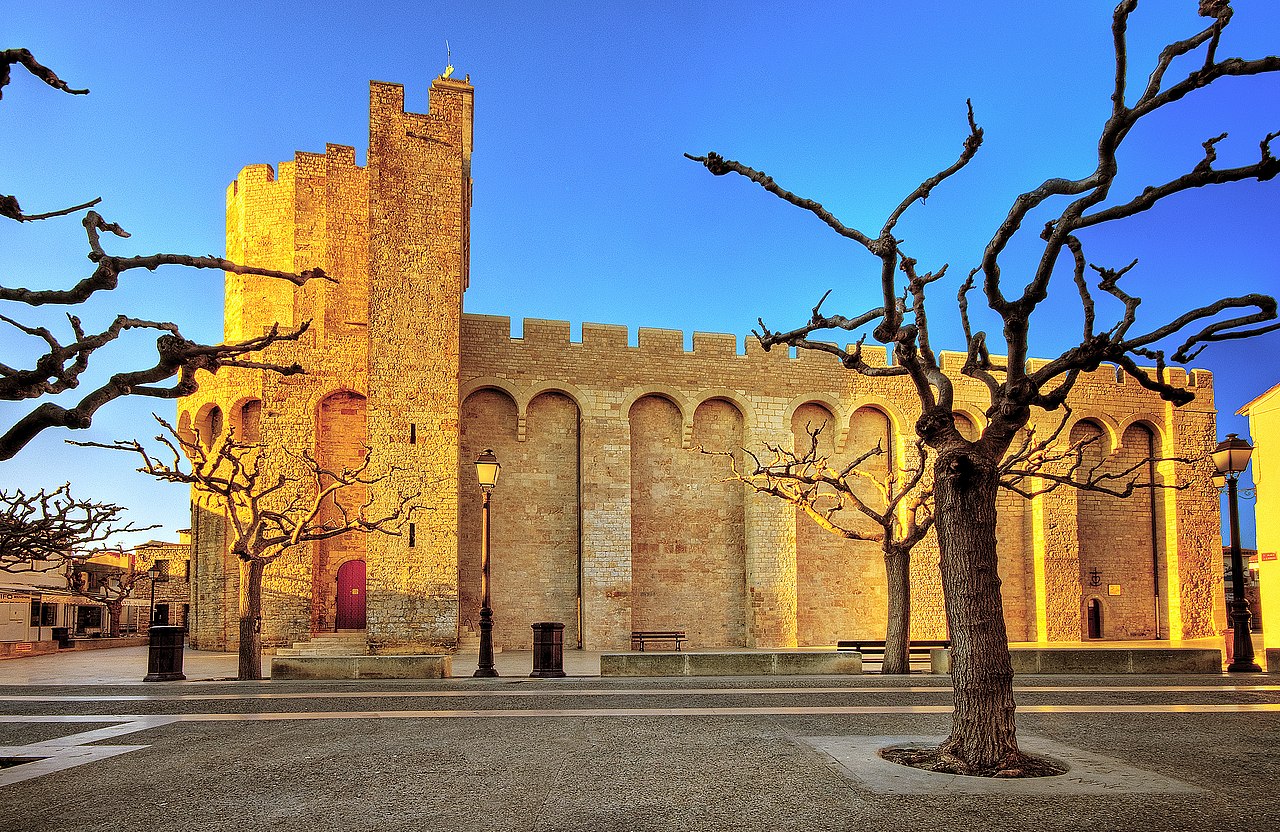

Geography and natural environment
The town sits where freshwater from the Rhône mixes with the Mediterranean, forming broad salt marshes, lagoons and reed beds that define the Camargue landscape. This area is celebrated for its biodiversity, including wild white horses, black bulls and large colonies of wading birds such as flamingos. Many visitors come for birdwatching, horse riding and to experience the flat, open marshes that are rare in western Europe.
History and cultural importance
Saintes-Maries-de-la-Mer developed as a fishing and trading settlement and later as a fortified religious site. Its Romanesque-church-turned-fortress dominates the town; its crypt allegedly holds relics associated with the biblical Marys, a claim that underpins a long-standing local pilgrimage. Each May the town hosts a major pilgrimage attended by Romani and other pilgrims honoring Saint Sarah and the Saintes Maries, an event of regional cultural significance.
Built environment and landmarks
The most prominent landmark is the fortified church, a compact fortress with thick walls and a bell tower that once served defensive purposes against sea raids. Narrow streets radiate from the church; nearby are small museums, fishing harbors and low-rise seaside hotels. Salt pans and long sandy beaches provide contrasting landscapes within walking distance.
Economy, tourism and events
Local economy combines tourism, salt production and agriculture typical of the Camargue. Visitors come for summer beaches, equestrian activities, gastronomic offerings featuring seafood and regional specialties, and for festivals: the May pilgrimage, summer bull-running spectacles and birdwatching seasons. The town is also a gateway for exploring the surrounding natural reserve and wetlands.
Practical information and distinctions
- Region: Provence-Alpes-Côte d'Azur
- Department administration: departmental services
- Location: southern France
Related articles
Author
AlegsaOnline.com Saintes-Maries-de-la-Mer: a coastal commune of the Camargue Leandro Alegsa
URL: https://en.alegsaonline.com/art/86340