
Occitanie — Region of France and the Occitania cultural area
Occitanie is a large administrative region in southern France formed in 2016 by merging Languedoc-Roussillon and Midi-Pyrénées; it also names the core of the wider historical Occitania cultural area.
Occitanie is an administrative region in southern France, established on 1 January 2016 by the merger of the former regions Languedoc-Roussillon and Midi-Pyrénées. Its current French name, Occitanie, was formally approved later that year. The region covers a large and varied territory ranging from the Mediterranean coast to parts of the Pyrenees and an inland agricultural and industrial plain.
Image gallery
10 Images





Geography and principal centres
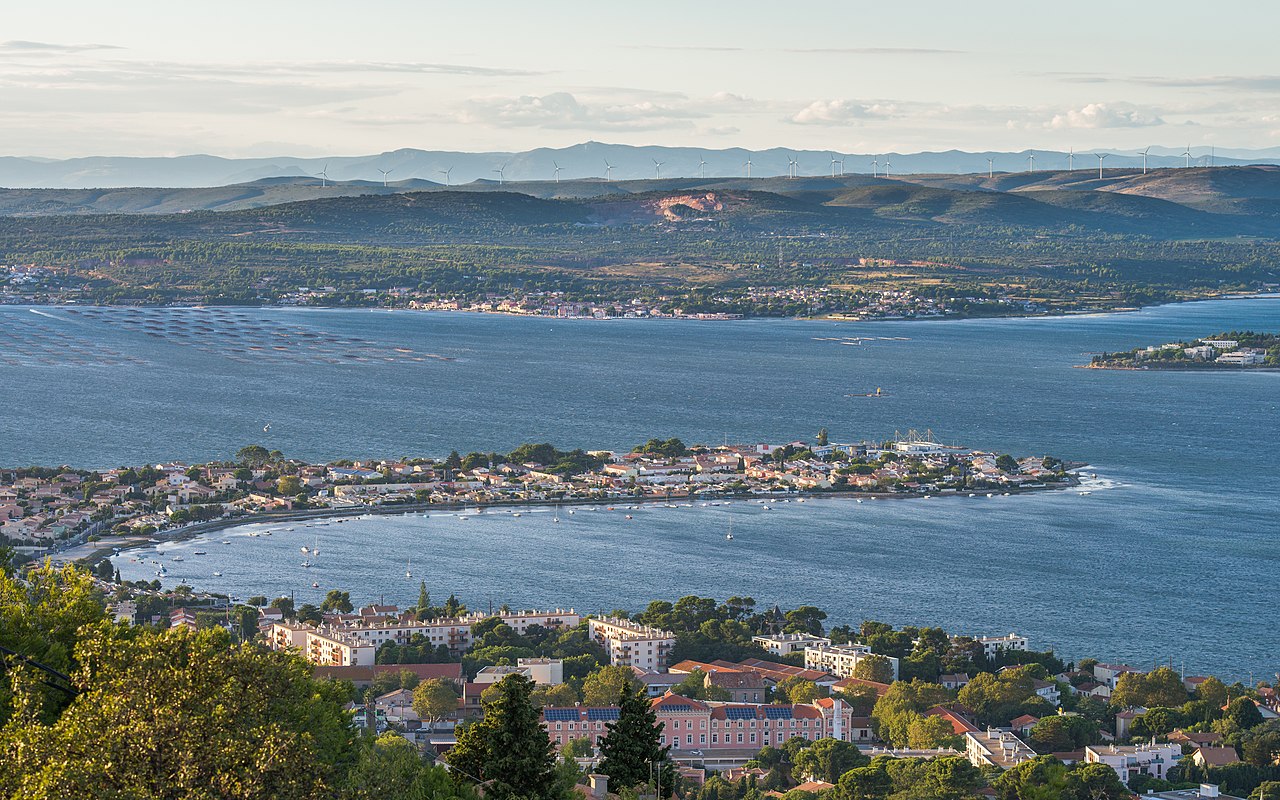
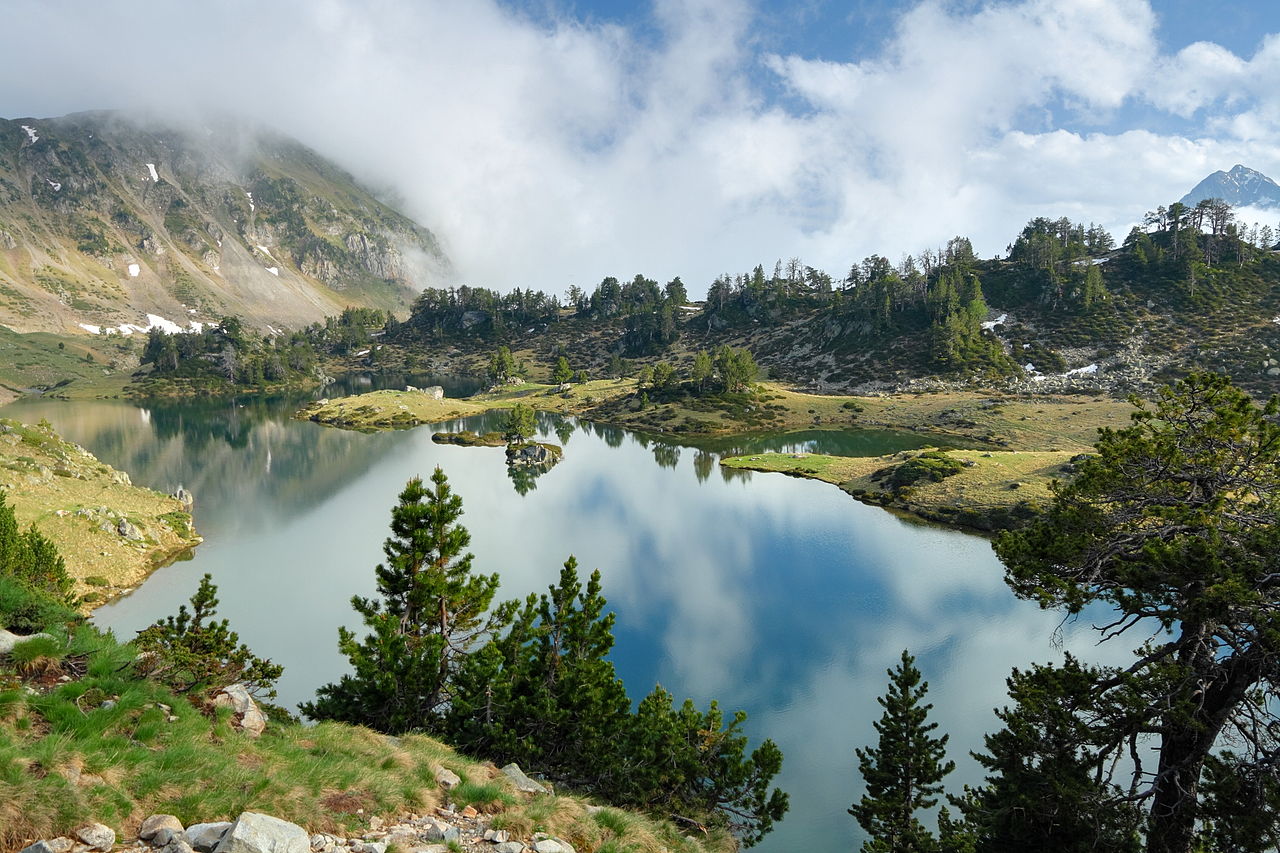
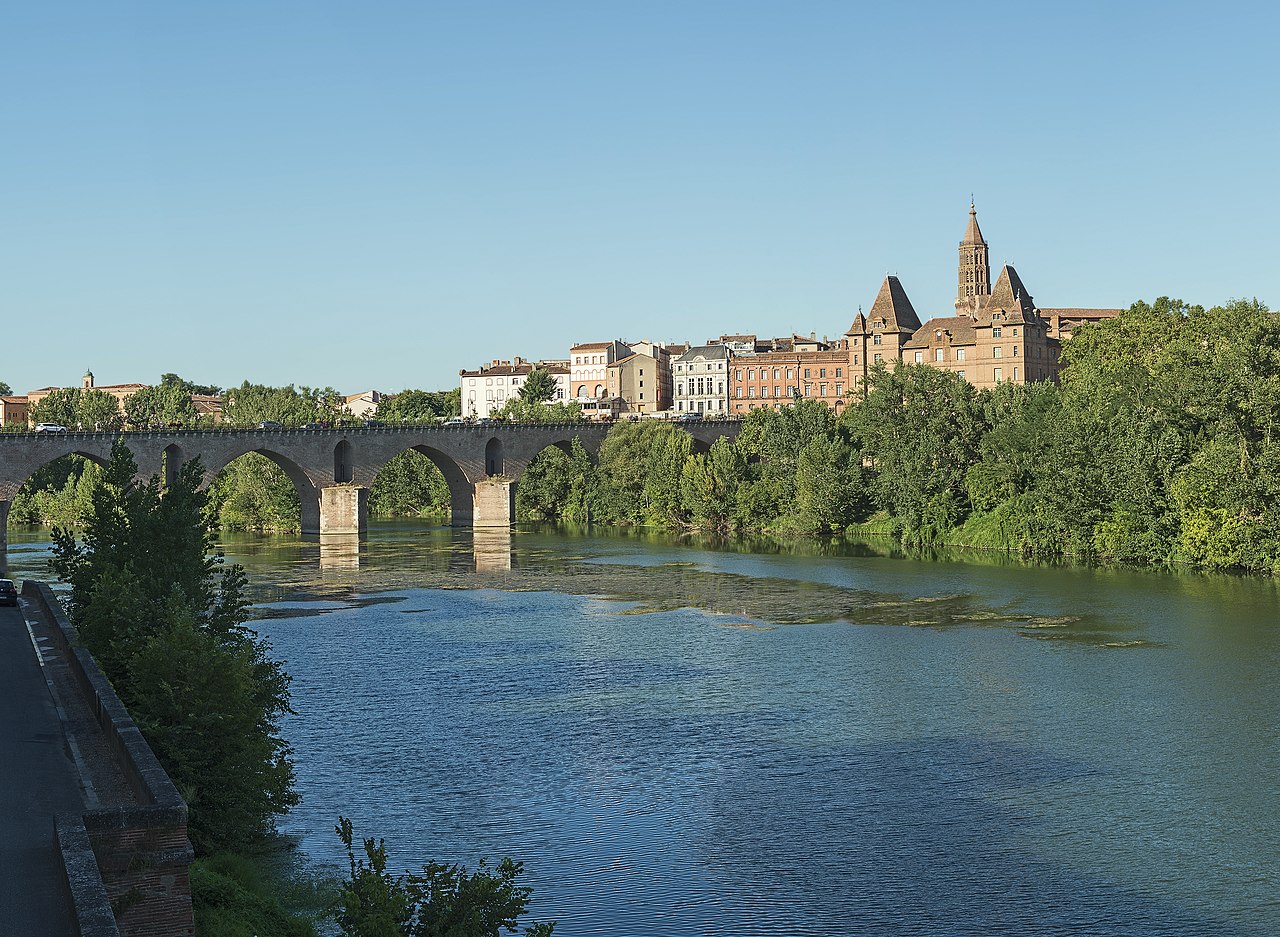
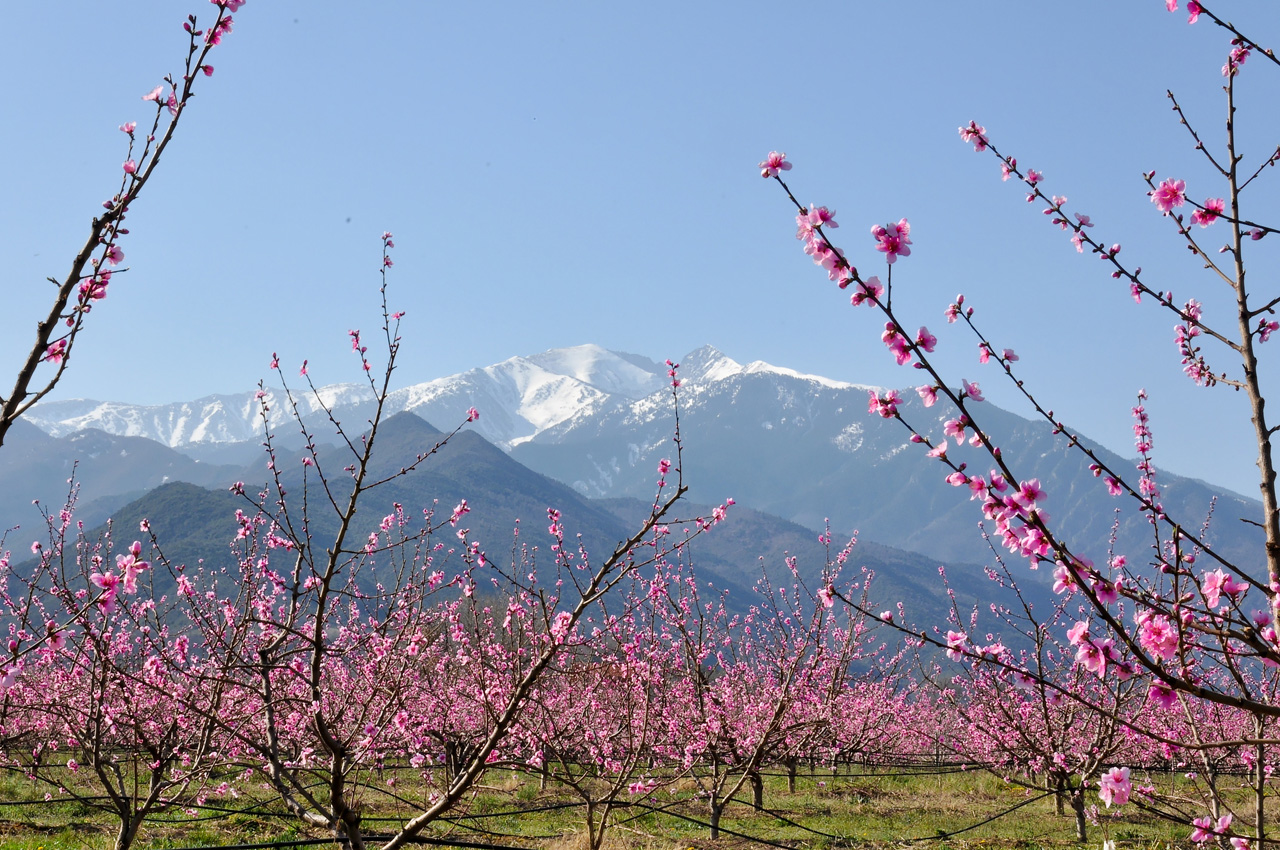
Administratively, the region includes major cities such as Toulouse (the regional capital), Montpellier, Nîmes and Perpignan. Landscapes vary from coastal lagoons and beaches to vineyards, limestone plateaus and mountainous corridors. This diversity supports agriculture, aerospace and tourism sectors; Toulouse, for example, is a major European centre for the aerospace industry.
Language and cultural identity
Occitanie takes its name from the Occitan language and the historical territory called Occitania. The local language is represented by various dialects of Occitan (Occitan), and in the far south-western part of the region Catalan traditions and language are also present (Catalan). The modern administrative region corresponds to the heart of a broader cultural area that historically extended beyond France.
History and territorial context
The creation of the administrative region in 2016 followed a national territorial reform aimed at reducing the number of regions. While the contemporary region is a political unit, the wider idea of Occitania refers to a multilingual, cross-border cultural zone that at various times included the Aran Valley in Spain, small communities in Italy (the Occitan Valleys and Guardia Piemontese) and cultural links reaching to Monaco. These historic links are often invoked in cultural promotion and language revival efforts.
Economy, heritage and uses
Economically the region combines industry, services, agriculture and tourism. Vineyards, olive growing, and Mediterranean tourism are important on the coast, while inland areas host aerospace, electronics and agribusiness. Occitanie is also rich in heritage sites, Roman and medieval monuments, and a strong festival culture that highlights regional languages and traditions.
Notable distinctions and contemporary relevance
- Administrative identity: a single region created from two former regions for governance efficiency.
- Cultural identity: serves as the primary political expression of the historical Occitania concept.
- Cross-border heritage: the Occitan linguistic and cultural footprint crosses national borders into neighbouring territories (Spain, Italy) and historically connects with Monaco).
- Language promotion: regional policy and associations support Occitan (Occitan) and Catalan (Catalan) cultural activities.
For further administrative details, tourism information and cultural programs consult regional resources and official publications about the modern Occitanie region and the broader heritage of Occitania.
Questions and answers
Q: What is Occitanie?
A: Occitanie is an administrative region of France.
Q: When was Occitanie created?
A: Occitanie was created on 1 January 2016.
Q: Which regions were merged to form Occitanie?
A: The former French regions Languedoc-Roussillon and Midi-Pyrénées were merged to form Occitanie.
Q: What is the name of the wider cultural entity that Occitanie is part of?
A: Occitanie is part of a wider cultural entity known as Occitania.
Q: Did Occitanie once include parts of other countries?
A: Yes, Occitanie once included part of Spain (Aran Valley) and parts of Italy (the Occitan Valleys and Guardia Piemontese).
Q: What language was spoken in the wider Occitania region?
A: The wider Occitania region used to speak Occitan as their first language.
Q: When was the official name of Occitanie approved?
A: The official name of Occitanie, in French, was approved on 28 September 2016.
Related articles
Author
AlegsaOnline.com Occitanie — Region of France and the Occitania cultural area Leandro Alegsa
URL: https://en.alegsaonline.com/art/71823
Sources
- legifrance.gouv.fr : "Décret n° 2016-1264 du 28 septembre 2016 portant fixation du nom et du chef-lieu de le région Occitanie"
- services.sandre.eaufrance.fr : "La Garonne (O---0000)"
- peakbagger.com : "Pic Vignemale, France/Spain"
- peakbagger.com : "France Department High Points"
- insee.fr : "Populations légales 2014 des départements et des collectivités d'outre-mer"