
Saint Paul Parish, Antigua and Barbuda
Saint Paul is a southern parish on Antigua island known for English Harbour, historic fortifications such as Fort Berkeley, and a coastline shaped by bays and sheltered harbors important to tourism and maritime heritage.
Overview
Saint Paul is one of the administrative parishes on the island of Antigua in the twin-island nation of Antigua and Barbuda. Located on the southern coast of Antigua, the parish contains a mix of small settlements, coastal inlets and elevated vantage points that together make it a focal area for visitors interested in maritime history and yachting.
Image gallery
5 Images



Geography and settlements
The parish features a rugged coastline of bays and sheltered harbors that open onto the Caribbean Sea. Low hills and coastal cliffs provide panoramic views over anchorages and historic sites. Several coastal villages and small communities line the shore, with facilities oriented toward pleasure craft, tourism and local fishing activities. The geographical coordinates for a central point in the parish are shown here: 17°01′N 61°47′W.
History and development
Saint Paul’s landscape has long been shaped by its strategic harbours. During the colonial period British naval and military installations were established to protect shipping and to control the approaches to the island. Over time many of those military sites were decommissioned and adapted for civilian and heritage uses, helping to preserve the maritime character of the area.
Economy, tourism and importance
Tourism is a major activity in Saint Paul parish. The sheltered bays and preserved dockyard facilities draw sailors, history enthusiasts and day visitors. Local businesses provide moorings, hospitality and guided visits that highlight the parish’s naval legacy and coastal scenery. The combination of natural coves and conserved historic structures makes the parish an important destination within Antigua’s visitor economy.
Notable sites
- Nelson’s Dockyard National Park — a restored dockyard and maritime precinct preserved for its historical value.
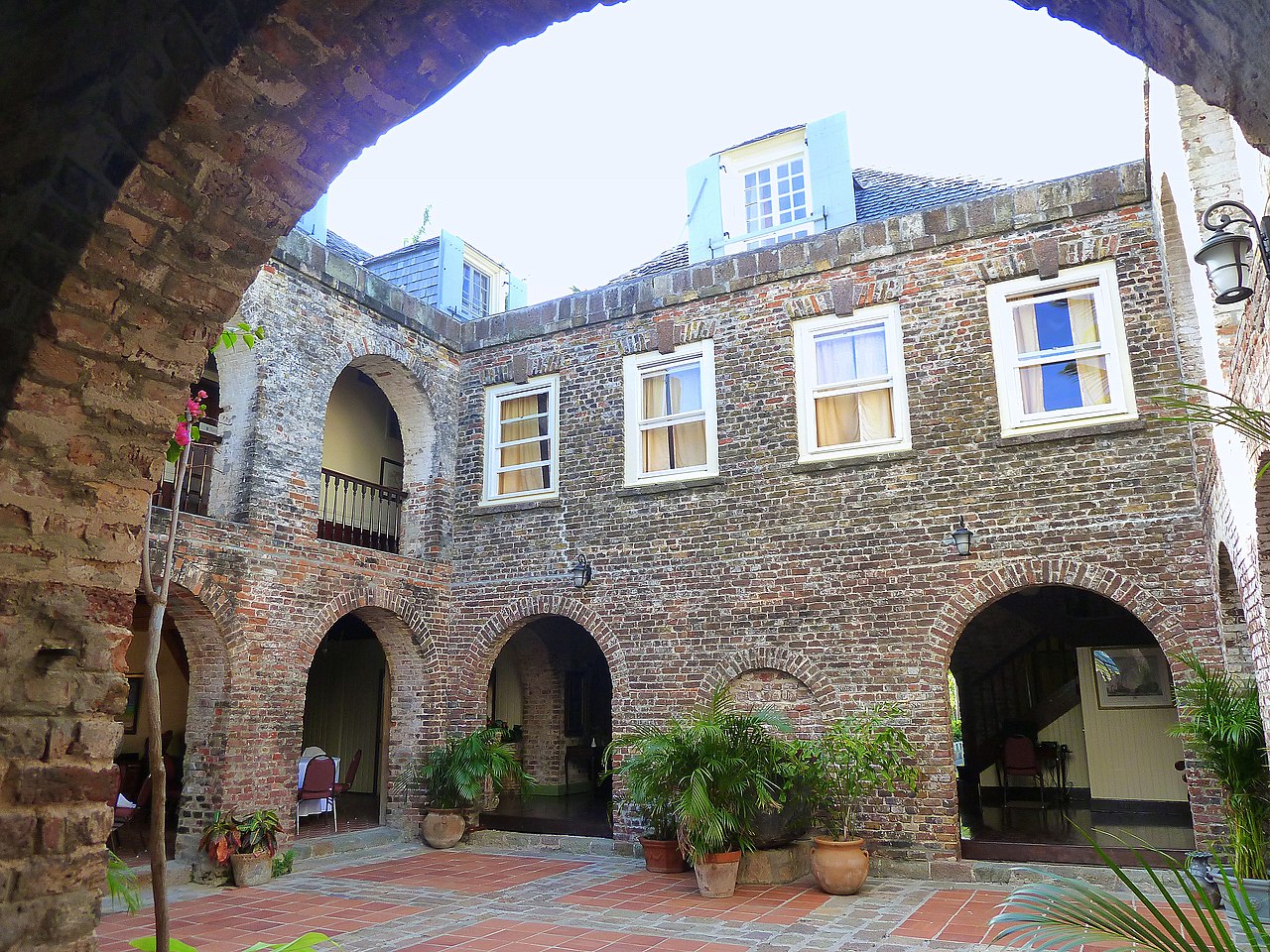
- Fort Berkeley — a former defensive work situated within or overlooking the dockyard area, representative of the parish’s colonial military architecture.
- Shirley Heights and nearby lookout points — elevated sites offering widely cited views of the harbour and surrounding sea.
These elements—geography, preserved historic structures and a maritime-focused economy—define Saint Paul as a parish where natural coastal features and cultural heritage combine to support both local life and tourism-driven activity.
Related articles
Author
AlegsaOnline.com Saint Paul Parish, Antigua and Barbuda Leandro Alegsa
URL: https://en.alegsaonline.com/art/86046