
Saint Lucy (Lucia) — Early Christian Martyr and Patron of the Blind
Saint Lucy (c. 283–304) was a Christian martyr from Syracuse, Sicily, venerated as a virgin martyr and patron of the blind and those with eye trouble; her feast is observed on December 13.
Overview
Saint Lucy (Latin: Lucia), traditionally dated to c. 283–304, is an early Christian martyr whose cult became widespread in the Latin and Eastern churches. Born in Syracuse (on the island of Sicily, now part of Italy), Lucy is remembered as a young woman who vowed chastity, devoted her resources to the poor, and suffered execution during a period of persecution. Her name, derived from the Latin lux, "light," has shaped many associations and devotional practices centered on light and vision.
Image gallery
10 Images




Life and martyrdom
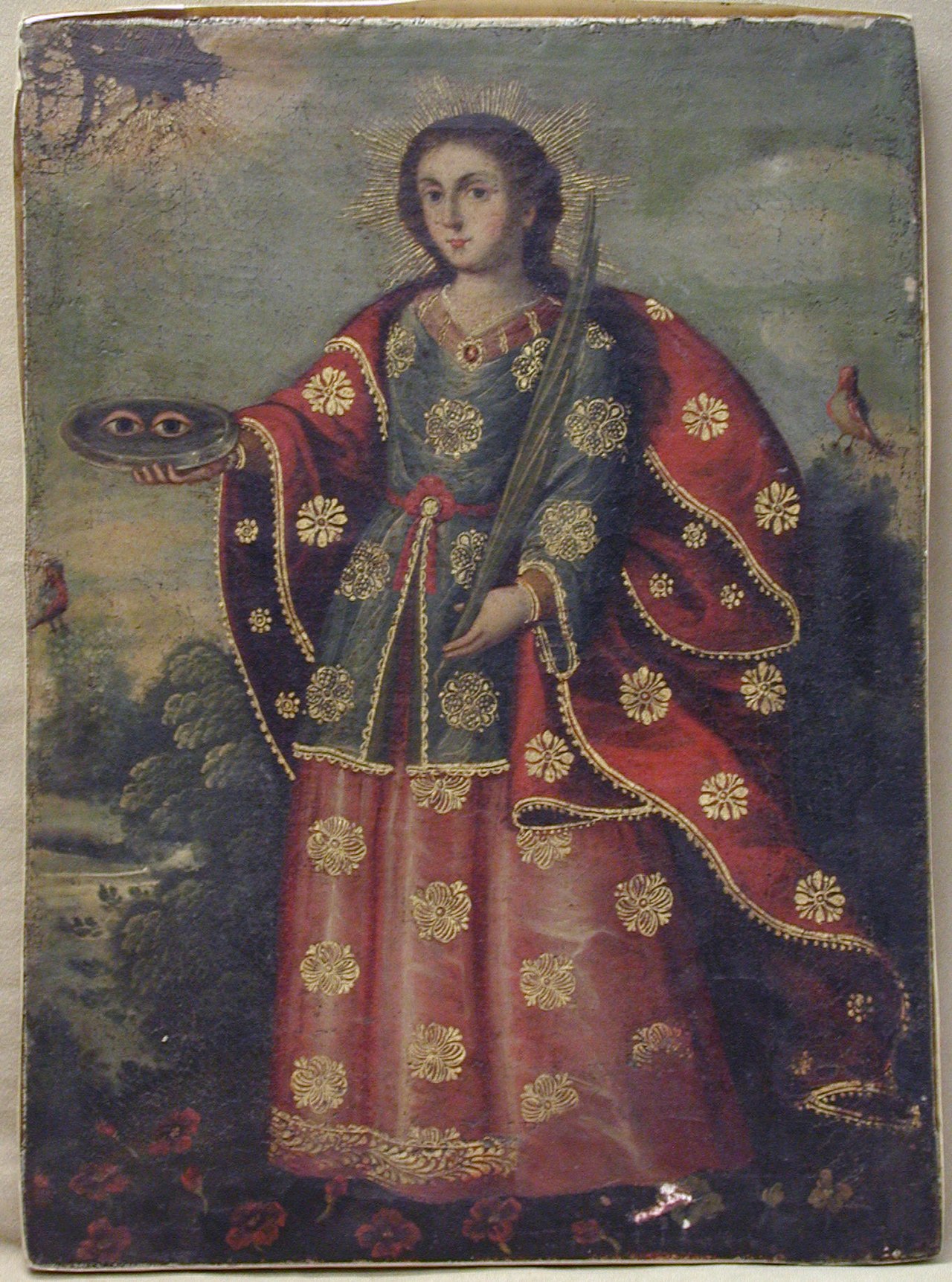
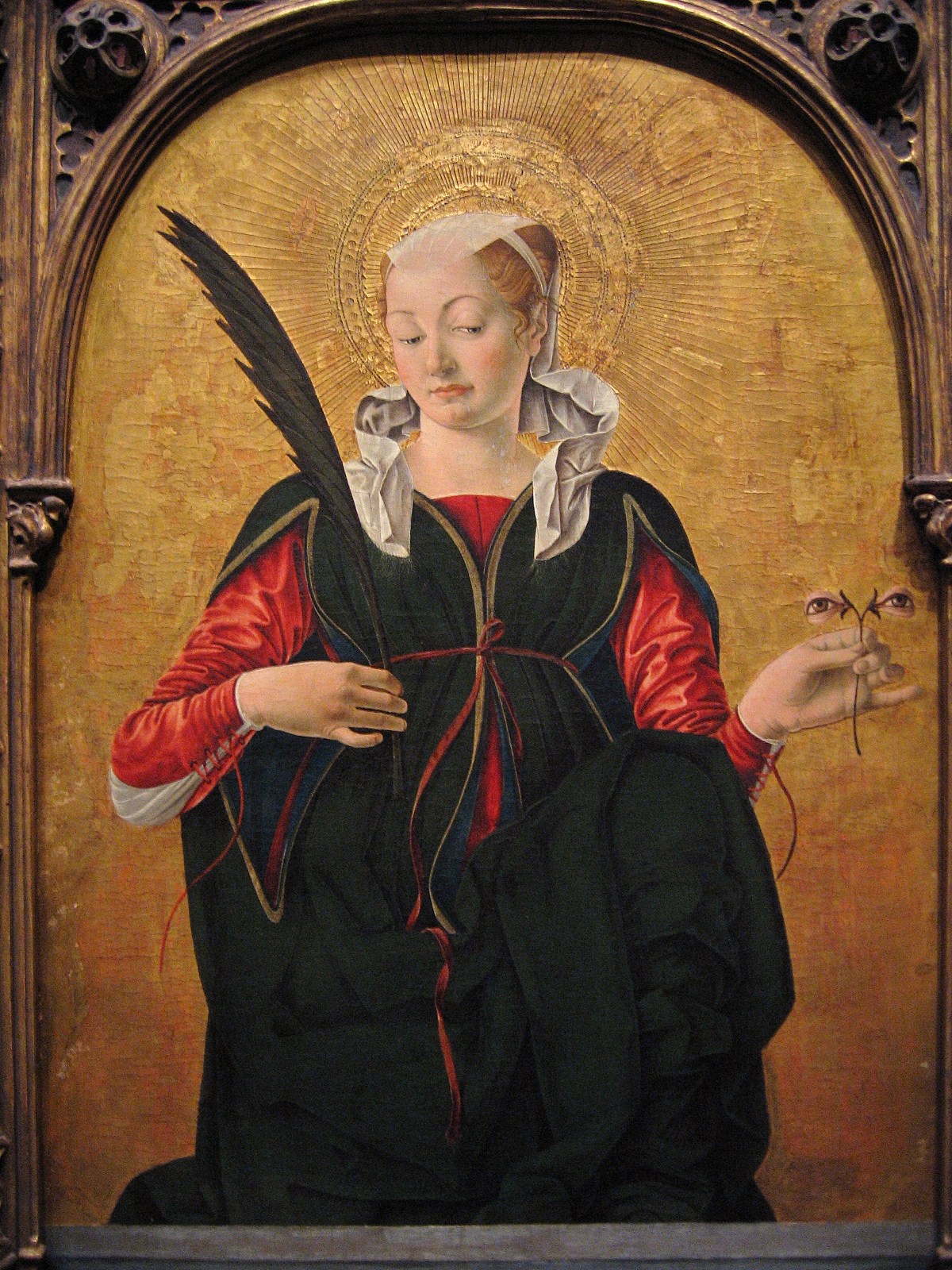
Accounts of Lucy's life survive in medieval hagiographies and later devotional writings rather than in contemporary records. According to Christian tradition, Lucy resisted an arranged marriage so she could live as a consecrated virgin and serve the needy. When a rejected suitor reported her as a Christian to the Roman authorities, she was arrested. Various narratives describe attempted tortures and miraculous interventions; the common conclusion is that she was put to death at a young age. Some sources give her age at death as 21. Details such as whether mutilation occurred (stories of her eyes being removed are part of the later legend) vary between traditions.
Iconography and patronage
- Symbols: eyes (sometimes depicted on a platter), a lamp or candle, and a palm branch of martyrdom; occasionally a plate or chalice.
- Patronage: Lucy is popularly regarded as the patron saint of the blind, those with eye ailments, and of sight in a spiritual as well as physical sense.
Cult, observances, and cultural impact
Her feast day is observed on December 13. In many Christian traditions this day developed particular customs emphasizing light: processions, candles, and songs. St. Lucy's Day became notably important in parts of northern Europe, especially Sweden, where a young woman wearing a crown of candles leads a pre-Christmas festival called Lucia with processions, song, and special baked goods (often saffron-flavored buns). Churches, communities, and charitable groups have long marked the day with services and acts of charity.
Historical notes and notable facts
Scholars treat the Acts and legends of Lucy as devotional literature that accumulated miracles and symbolic detail over centuries. Her association with light is both linguistic and devotional: the resonance of her name with lux helped the saint become a symbol of hope, sight, and spiritual illumination. Relics attributed to Lucy are claimed in several places, and her veneration has influenced art, liturgy, and popular piety across Europe.
Whether considered through the lens of history or of religious tradition, Saint Lucy remains one of the best-known virgin martyrs from the early Christian period, remembered for charity, courage, and a lasting symbolic link to light and vision.
Related articles
Author
AlegsaOnline.com Saint Lucy (Lucia) — Early Christian Martyr and Patron of the Blind Leandro Alegsa
URL: https://en.alegsaonline.com/art/85848