
Safi Airways
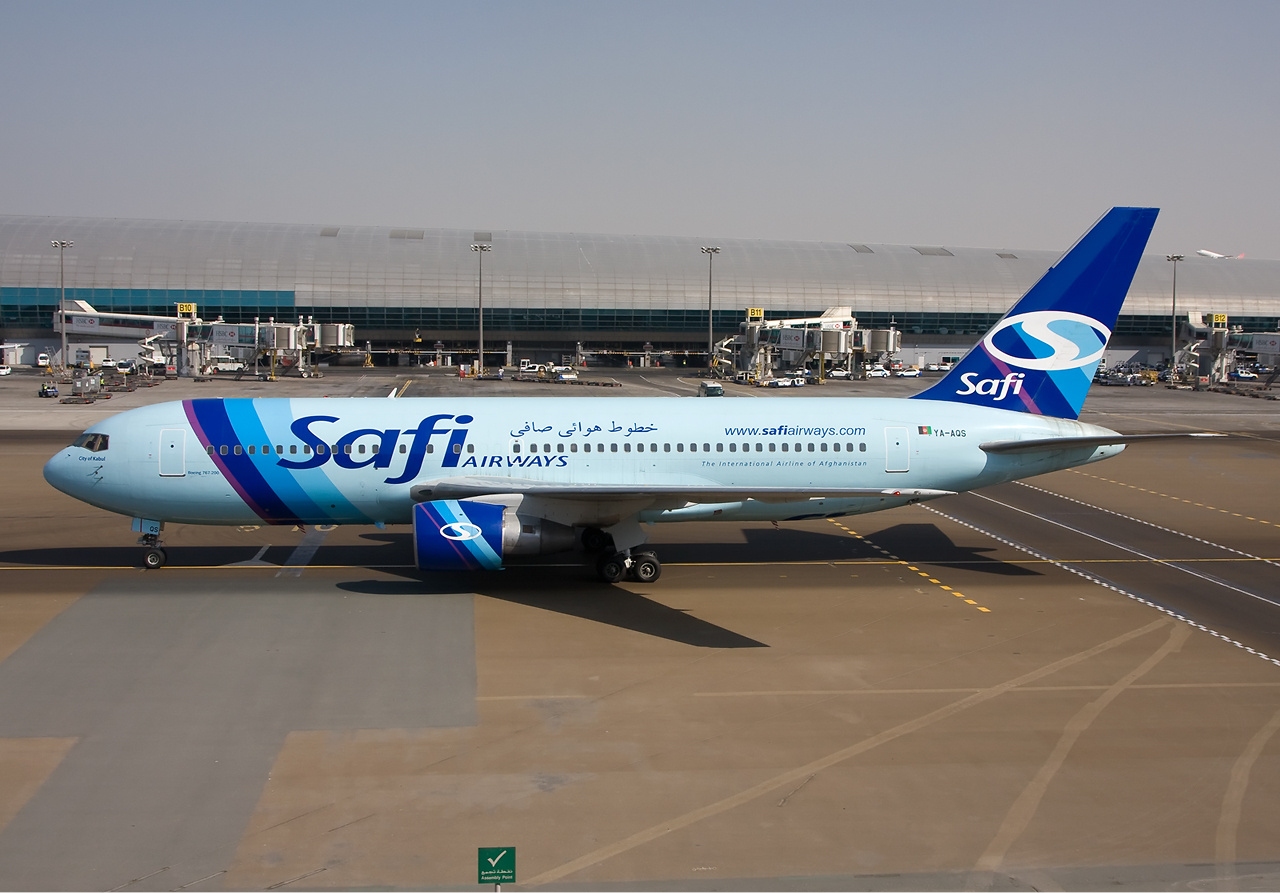
Safi Airways was a private Afghan airline founded in 2006 by Rahim Safi, headquartered in Kabul with an administrative office in Dubai; it operated domestic and regional services using leased aircraft and local staff.
Overview
Safi Airways was established in 2006 as a privately owned Afghan carrier. Founded by businessman Rahim Safi, the airline appeared in industry listings under the IATA code 4Q. It positioned itself as a private alternative for scheduled passenger travel and some cargo operations within Afghanistan and on regional routes linking the country with neighbouring hubs.
Image gallery
5 Images



History
The carrier grew during a period of renewed demand for air services in Afghanistan following changes to the country’s aviation market in the early 21st century. Like many new entrants in challenging markets, Safi Airways expanded cautiously, focusing on commercially sustainable routes and using leased aircraft to reduce upfront capital requirements. Over time its activity was affected by market conditions, regulatory developments and security-related constraints common to aviation in the region.
Structure and offices
The airline maintained operational headquarters in Kabul, often referenced as the Safi Airline Center in the Shahr-e-Naw area. It also maintained an administrative and commercial office in Dubai to support leasing, commercial partnerships and regional logistics. For further information on the airline’s Persian-language name see Persian name and references, and for industry listings consult general profiles such as industry profile. The Kabul base is noted in local records here, with the Dubai presence recorded here and in country-level notes on the United Arab Emirates.
Operations and network
Safi Airways operated scheduled domestic services connecting Kabul with provincial centres and offered international flights on selected regional routes. The carrier aimed to serve both business and leisure travellers and provided limited belly or dedicated cargo capacity on some services. Route frequencies and destinations varied over time in response to demand, security, bilateral aviation arrangements and aircraft availability.
Fleet and business model
To manage costs and flexibility the airline relied mainly on leased aircraft rather than a large owned fleet. This model allowed rapid adjustment of capacity and route testing but also meant the carrier’s fleet composition could change frequently. Ground handling, maintenance and other operational functions were often delivered through contracts with specialist providers.
Challenges and legacy
Operators in Afghanistan face particular challenges, including variable infrastructure, complex security conditions and evolving regulatory oversight. These factors influenced Safi Airways’ commercial decisions and operational stability. As a private Afghan company, it contributed to the development of aviation skills among local staff and offered additional travel options during periods when commercial air links were limited. Its experience illustrates both the potential and the difficulties of running a regional airline in a demanding environment.
- Founded: 2006
- Founder: Rahim Safi
- Headquarters: Kabul (operational centre); administrative office in Dubai
- IATA code: 4Q
Related articles
Author
AlegsaOnline.com Safi Airways Leandro Alegsa
URL: https://en.alegsaonline.com/art/85224
Sources
- safiairways.aero : "Conditions of Transport" · web.archive.org
- bloomberg.com : "Afghanistan's Safi Airways Plans Route Expansion, Jet Purchases"