
Saturn Corporation
Former General Motors marque (1985–2010) created as a small-car, import-fighting division; known for no-haggle pricing, polymer body panels, a distinct dealer network and several compact and crossover models.
Overview
Saturn Corporation was an automobile marque founded by General Motors on January 7, 1985. Positioned as a new, dealer-focused subsidiary, Saturn aimed to compete with compact cars from foreign manufacturers in the North American market. Vehicles were primarily sold in the United States and Canada, with a limited number reaching other markets such as Japan. The brand marketed itself with the slogan "a different kind of car company," emphasizing customer service and a simplified buying experience.
Image gallery
10 Images




Characteristics and design
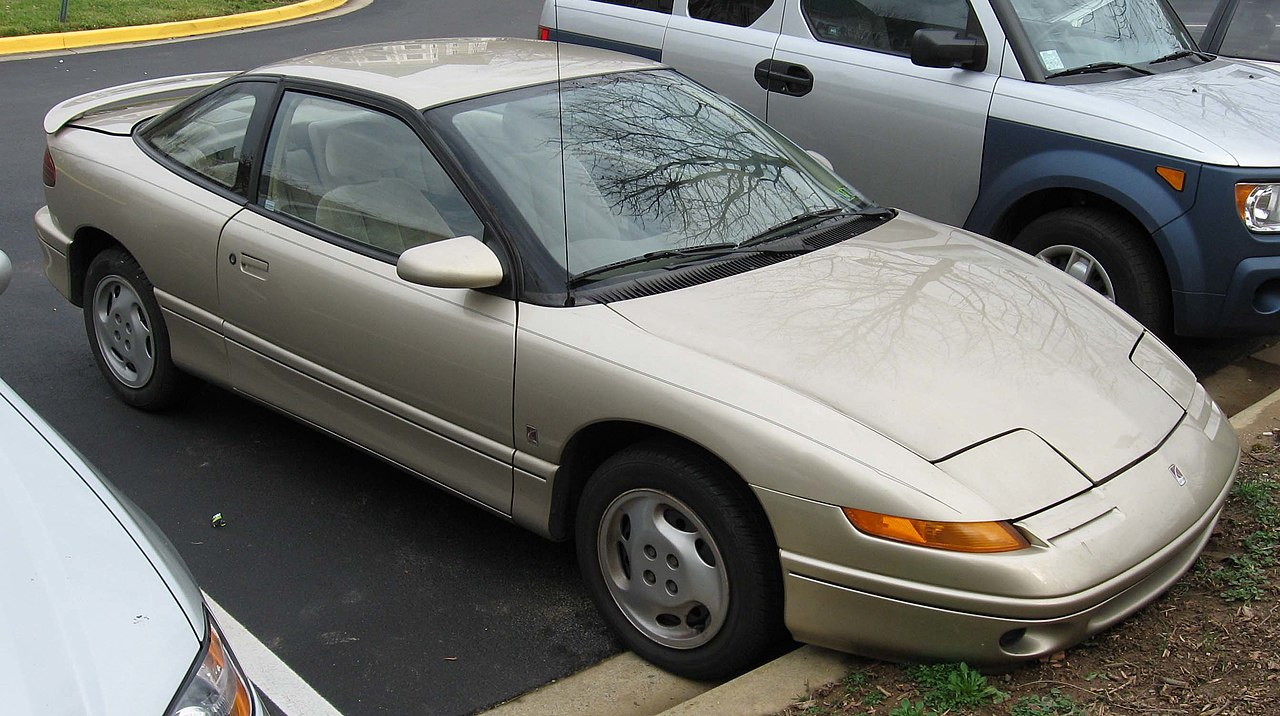
Saturn built a reputation around a few distinctive features that set it apart from other GM divisions. Early Saturns used dent-resistant polymer body panels, a technical and stylistic choice that reduced corrosion and minor-damage repair costs. The company also popularized no-haggle pricing and a sales culture intended to minimize the adversarial aspects of car buying. Styling cues in later models were often described as having a more European influence, reflecting compact proportions and handling priorities rather than traditional American sedan design.
- Body construction: notable use of plastic body panels in early models (polymer panels).
- Sales approach: no-haggle pricing and a customer-oriented dealer ethos.
- Design language: smaller, import-inspired silhouettes with an emphasis on practicality and efficiency (European styling influence).
History and development
Saturn was created during the 1980s when American manufacturers sought to respond to fuel-efficient imports. The company opened its own factory, dealer network and marketing program to cultivate a separate identity inside the larger GM corporate family. Saturn launched its first production vehicles around 1990 and expanded over the next two decades to include sedans, coupes, minivans and SUVs. Despite early enthusiasm and a loyal customer base, changing market conditions and corporate restructuring led GM to explore options for selling or discontinuing the brand in the late 2000s. Negotiations with outside parties, including dealer groups and automotive firms, failed to produce a viable long-term buyer; for example, a proposed purchase by Penske Automotive did not proceed.
End of the marque and legacy
As part of General Motors' restructuring after financial difficulties, the Saturn marque was phased out and effectively defunct by October 31, 2010. GM announced plans to realign its brand portfolio; some observers note that elements of Saturn's product roles and market positioning were absorbed by other GM divisions, and that Buick increasingly filled GM's needs for smaller, globally sourced passenger cars in certain markets (Buick). Engineering, platforms and component designs from Saturn models were repurposed for other GM nameplates, including projects for Chevrolet and GMC.
Notable models and examples
Throughout its lifetime Saturn produced a range of models that were notable for their accessibility and focus on small-to-midsize buyers. Some of the better-known names associated with the brand include the early S-series compact cars (sold in various body styles), the Ion, the Vue compact crossover, the Aura mid-size sedan, the Sky roadster and the Relay minivan. These vehicles illustrated Saturn's gradual shift from strictly compact, economy-oriented products to a broader lineup intended to address changing consumer preferences.
Distinctions and historical significance
Saturn is remembered as an experiment within a major automaker: an attempt to create a subsidiary with distinct culture, dealer relationships and product identity. Its early technical choices, retail model and brand-first marketing made it a subject of study for analysts interested in corporate spin-offs and brand management. Although the marque no longer exists, its influence can still be seen in aspects of dealership practices, customer service approaches and the reuse of engineering assets within larger automotive groups.
For further information, see corporate summaries and historical overviews provided by industry resources and archived materials from GM and dealers (GM overview, U.S. market notes, Canadian market notes, international sales, design commentary, technical details, brand succession, platform reuse, component repurposing).
Related articles
Author
AlegsaOnline.com Saturn Corporation Leandro Alegsa
URL: https://en.alegsaonline.com/art/87491
Sources
- leftlanenews.com : "General Motors to eliminate Saturn brand, phase-out Pontiac"