
Equestrianism: the sport and practice of horseback riding
Overview of equestrianism: disciplines, equipment, competitions, history and global presence, with distinctions between English and Western styles and Olympic events.
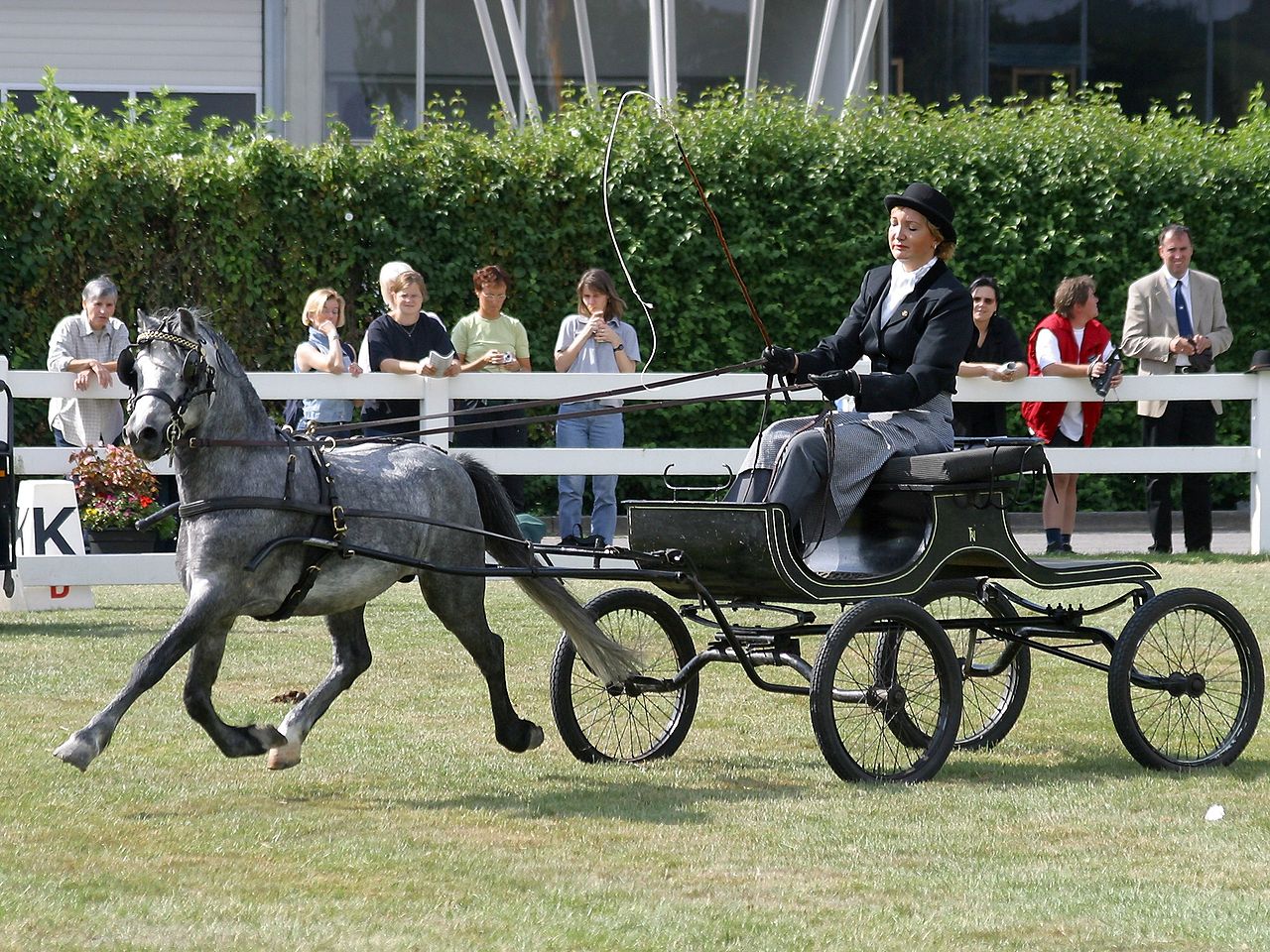
Equestrianism refers to the practice, sport and art of riding, driving and working with horses. It includes recreational riding, competitive sport, and vocational activities such as mounted policing, ranch work and therapeutic riding. A living partnership between rider and horse lies at the centre of equestrianism: skill, communication and training shape outcomes as much as athleticism.
Image gallery
10 Images





Major disciplines and competitions
Riding styles are often grouped into broad categories. English disciplines emphasize close contact and light tack and include dressage, show jumping and eventing (which combines cross-country, dressage and show jumping). Western disciplines originate from ranching traditions and include reining, cutting and rodeo events. Many nations stage national leagues, breed shows and international competitions; equestrian sport has a high-profile presence at the modern Olympic Games, where the principal English events are contested.
Common elements: horse, rider and equipment
Every discipline relies on the horse's conformation, temperament and training, plus the rider's balance, timing and decision-making. Tack and equipment differ: English saddles and bridles provide a different rider-horse contact than Western saddles, which are designed for long hours and control in cattle work. Typical equipment and care topics include hoof care, bitting and bridles, saddlery, stable management and conditioning programs.
History and global reach
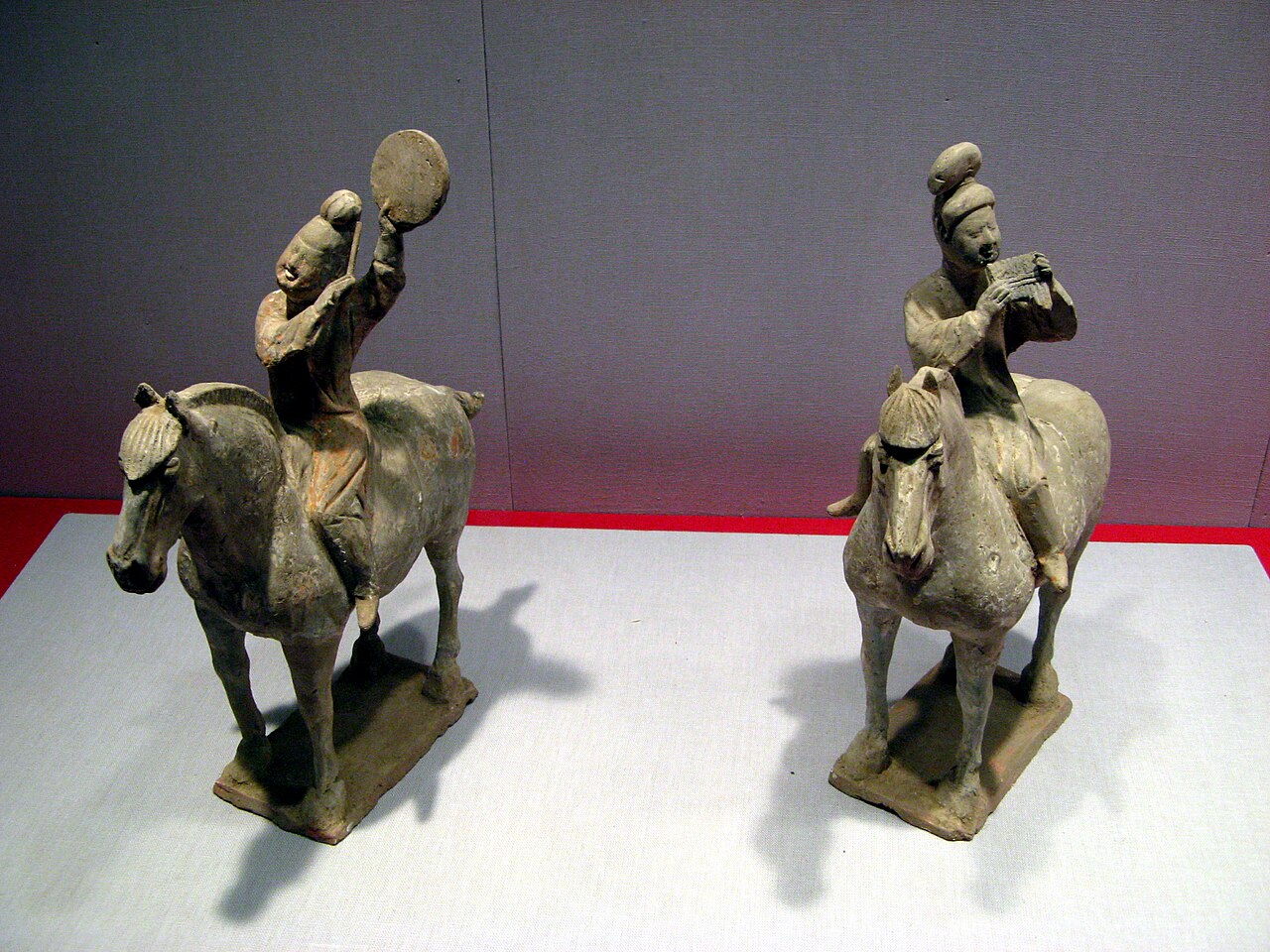
Mounted activity has been integral to human societies for millennia, evolving from transport and warfare to sport and leisure. Today equestrianism is popular across many regions, including the United States (US), Australia (Australia), the United Kingdom (UK) and much of continental Europe (Europe). Breeding, competition circuits and riding schools support a diverse worldwide community.
Why it matters and notable distinctions
Equestrianism is unique among Olympic sports in that rider and horse form a competing pair, judged on harmony, precision and speed depending on the event. It fosters skills useful beyond sport—animal welfare, horsemanship and teamwork. Distinctions to note: English and Western traditions prioritize different equipment and movement patterns; eventing tests versatility across three very different phases; and some competitions emphasize breed characteristics or working ability rather than pure sport performance.
- Types of riding: English, Western, classical, endurance.
- Typical events: dressage, show jumping, cross-country, reining.
- Resources: training centres, national federations and international governing bodies (see governing body resources and further reading).
Readers seeking practical information can consult riding schools, national federations and specialist texts for instruction on safety, horse care and competitive rules. For introductions to specific events, see materials linked by national and international organisations or visit local clubs to observe lessons and shows.
Show jumping and Olympic equestrian summaries, training guides and country-specific regulations are useful starting points for newcomers.
For governance, education and event calendars, consult national federations and international bodies via their official channels for up-to-date standards and pathways into the sport.
Questions and answers
Q: What is equestrianism?
A: Equestrianism is the sport of horseback riding.
Q: In which countries is equestrianism popular?
A: Equestrianism is a popular sport in countries like the United States, Australia, the United Kingdom and other countries in Europe.
Q: What types of riding are there within equestrianism?
A: Within the sport, there are several types of riding, such as English and Western.
Q: Are there any Olympic events for English riding?
A: Yes, in English riding there are three Olympic events - cross country, dressage and show jumping (in which competitors ride horses over obstacles).
Q: Are there any forms of Western Riding in the Olympics?
A: No, there are no forms of Western Riding in the Olympics.
Related articles
Author
AlegsaOnline.com Equestrianism: the sport and practice of horseback riding Leandro Alegsa
URL: https://en.alegsaonline.com/art/31821