
Rutland County, Vermont
A county in central-western Vermont centered on the city of Rutland; known for mountains, lakes, marble and slate history, ski areas, and a largely rural population across small towns and villages.
Rutland County lies in the central-western part of the U.S. state of Vermont. Its largest city and administrative center is Rutland, which functions as the county seat and service hub for the surrounding towns. The county combines agricultural valleys, forested mountains, and recreational lakes, and has long been a crossroads between northern and southern New England.
Image gallery
3 Images

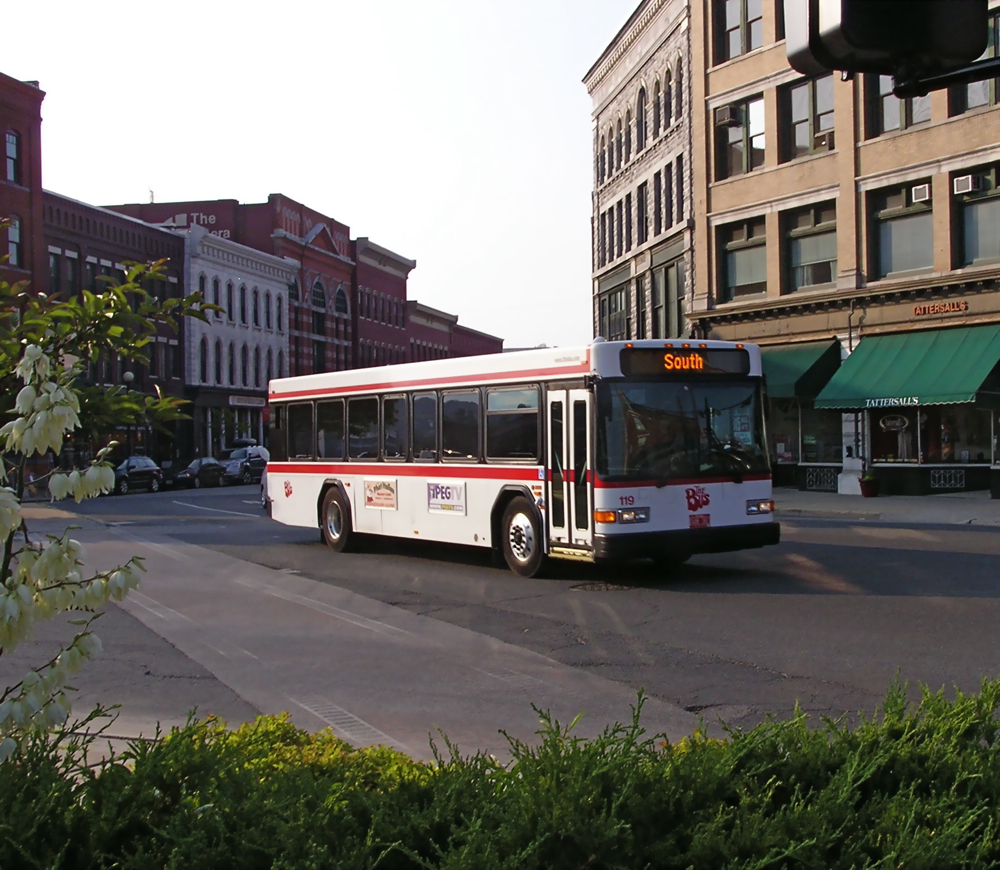
Geography
The county covers a predominantly rural landscape. According to the U.S. Census Bureau, Rutland County's total area is about 945 square miles, most of which is land with a small fraction composed of inland water. The Green Mountains run through the eastern part of the county, creating a mix of elevations that support timber, outdoor recreation, and seasonal tourism. Several lakes and rivers provide boating, fishing and habitat for wildlife.
History and economy
Rutland County developed in the late 18th and early 19th centuries as Vermont was settled and towns were laid out. Natural resources shaped its economy: marble and slate quarrying and processing became important industries, and remnants of that heritage remain visible in quarry towns and local museums. Agriculture, small manufacturing, and service industries also contribute to the local economy. In more recent decades recreation and tourism—especially skiing and outdoor activities—have added economic diversity.
Communities and culture
Population is concentrated in Rutland city and several larger towns, while many residents live in smaller villages and rural townships. Notable communities include Castleton, Brandon, Poultney and Killington; Castleton hosts a regional college and the area preserves a mix of historic downtowns, village greens and community events. Cultural institutions, local fairs, and historical sites reflect the county's quarrying and farming past.
Transportation and recreation
Major roadways cross the county and connect it to neighboring regions; travelers commonly use north–south and east–west routes to reach towns, resorts and parks. Outdoor recreation is a major draw: downhill ski areas and mountain trails bring seasonal visitors, while lakes such as those near Castleton offer summer boating and fishing. Historic sites—marble quarries, small museums and preserved downtown districts—are among the points of interest for residents and visitors alike.
- Typical economic activities: agriculture, quarrying history, tourism and local services.
- Recreation: skiing, hiking, lakes and forested public lands.
- Major communities: Rutland city plus towns such as Castleton, Brandon, Poultney and Killington.
Population figures have varied over time; for example, a mid-2000s estimate recorded about 63,743 residents. Local government in Vermont emphasizes town-level administration, with county offices generally handling courts, the sheriff's office and other regional functions. For maps, demographic details and visitor information, regional resources and official county pages provide current data and event listings.
Related articles
Author
AlegsaOnline.com Rutland County, Vermont Leandro Alegsa
URL: https://en.alegsaonline.com/art/84919
Sources
- factfinder.census.gov : "American FactFinder"