
Ruth Harkness — brought the first live giant panda to the United States
Ruth Harkness (1900–1947) was an American fashion designer and socialite who led a 1936 trip to China and returned with the first live giant panda brought to the U.S., an episode that captured wide public interest.
Overview
Ruth Elizabeth Harkness (21 September 1900 – 20 July 1947) was an American fashion designer and socialite who became widely known for leading a 1936 expedition to China and returning to the United States with the first live giant panda. Her journey transformed a private social figure into an international curiosity and drew attention to a species that, at the time, was poorly known in the West. Her life and that remarkable episode have been the subject of later biographies and popular histories.
Image gallery
1 Image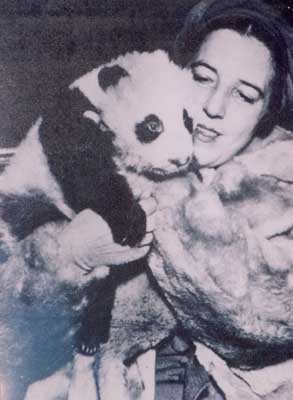
Background and public profile
Before her expedition, Harkness worked in fashion and moved in prominent social circles. Sources describe her as a fashion designer and a socialite, a combination that helped her secure publicity for the unusual venture she undertook. Her shift from urban social life to an Asian field expedition was striking and helped the story attract press attention on both sides of the Pacific.
The 1936 expedition and the panda
In 1936 Harkness traveled to China where she participated in efforts to locate and acquire a giant panda. The animal she brought back became the first live giant panda seen in the United States. She named the cub Su Lin, and the arrival of this unusual bear created a sensation in American newspapers and in public exhibitions. Contemporary accounts emphasized the animal’s novelty, its striking black-and-white markings, and the difficulty Westerners had experienced in obtaining live specimens.
Impact and legacy
Harkness’s expedition had several consequences. It introduced the American public to the giant panda as a living animal rather than an exotic curiosity known only from skins and travelers’ tales. The public interest stirred by Su Lin contributed to a growing fascination with pandas that persisted through the twentieth century and later informed scientific and conservation attention. Her story is often cited as an early chapter in the Western encounter with this species.
Later life and remembrance
Ruth Harkness continued to be associated with her panda expedition in press accounts and later retellings. Her life and the 1936 episode were the subject of Vicki Constantine Croke’s book The Lady and the Panda, published in 2005 by Random House, which places the voyage in cultural and historical context. Harkness died on 20 July 1947; reports state she was found dead in a hotel room. Over time her role has been viewed variously as adventurous, sensational, and emblematic of early twentieth-century Western engagements with China and its wildlife.
Notable facts
- Harkness is credited with bringing the first live giant panda to the United States, an event that captured wide public attention.
- She moved from a career in fashion and social life into a highly publicized expedition abroad.
- Her story has been retold in modern popular history and remains a reference point in panda-related cultural history.
For further reading and modern accounts, consult biographical and historical works that place Harkness’s expedition in the context of 1930s China and the early global interest in panda conservation and display.
Fashion career reference • Social life and profile • Background on China travel in the 1930s • Giant panda information • The Lady and the Panda (book)
Related articles
Author
AlegsaOnline.com Ruth Harkness — brought the first live giant panda to the United States Leandro Alegsa
URL: https://en.alegsaonline.com/art/84898
Sources
- vickicroke.com : "The Lady and the Panda"