
Balaton (Lake Balaton)
Balaton is the largest lake in Hungary and Central Europe, a shallow, popular summer destination distinguished by contrasting northern hills and southern plains, historic towns, vineyards and rich recreational life.
Overview
Balaton, often called Lake Balaton in English, is the largest lake in Hungary and one of the largest in Central Europe. It is a shallow freshwater lake valued for its long, warm summers and easy accessibility from Budapest and other parts of Hungary. The lake’s modest depths and broad shoreline have made it a focal point for recreation, nature conservation and regional culture.
Image gallery
10 Images




Physical characteristics
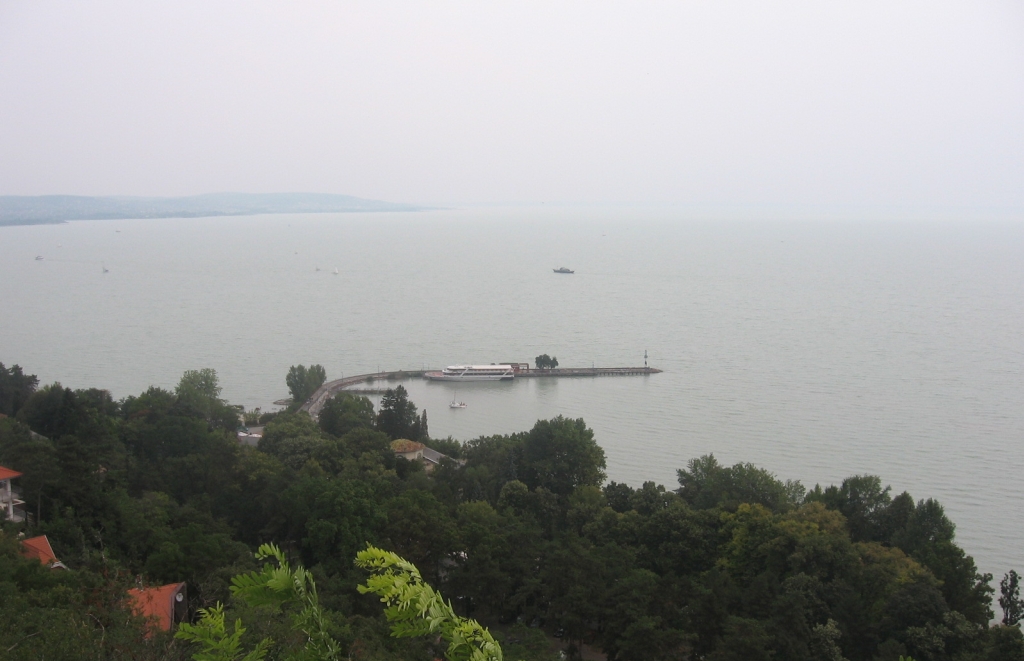
Balaton is unusually shallow: its average depth is about 3.2 meters and its maximum depth reaches roughly 12.2 meters. The northern shore tends to be deeper and more irregular, with hills and cliffs close to the water, while the southern shore is flatter and gives rise to broad beaches and lagoons. Extensive reedbeds and sheltered bays occur along the margins, creating important wildlife habitats.
Towns, landscapes and attractions
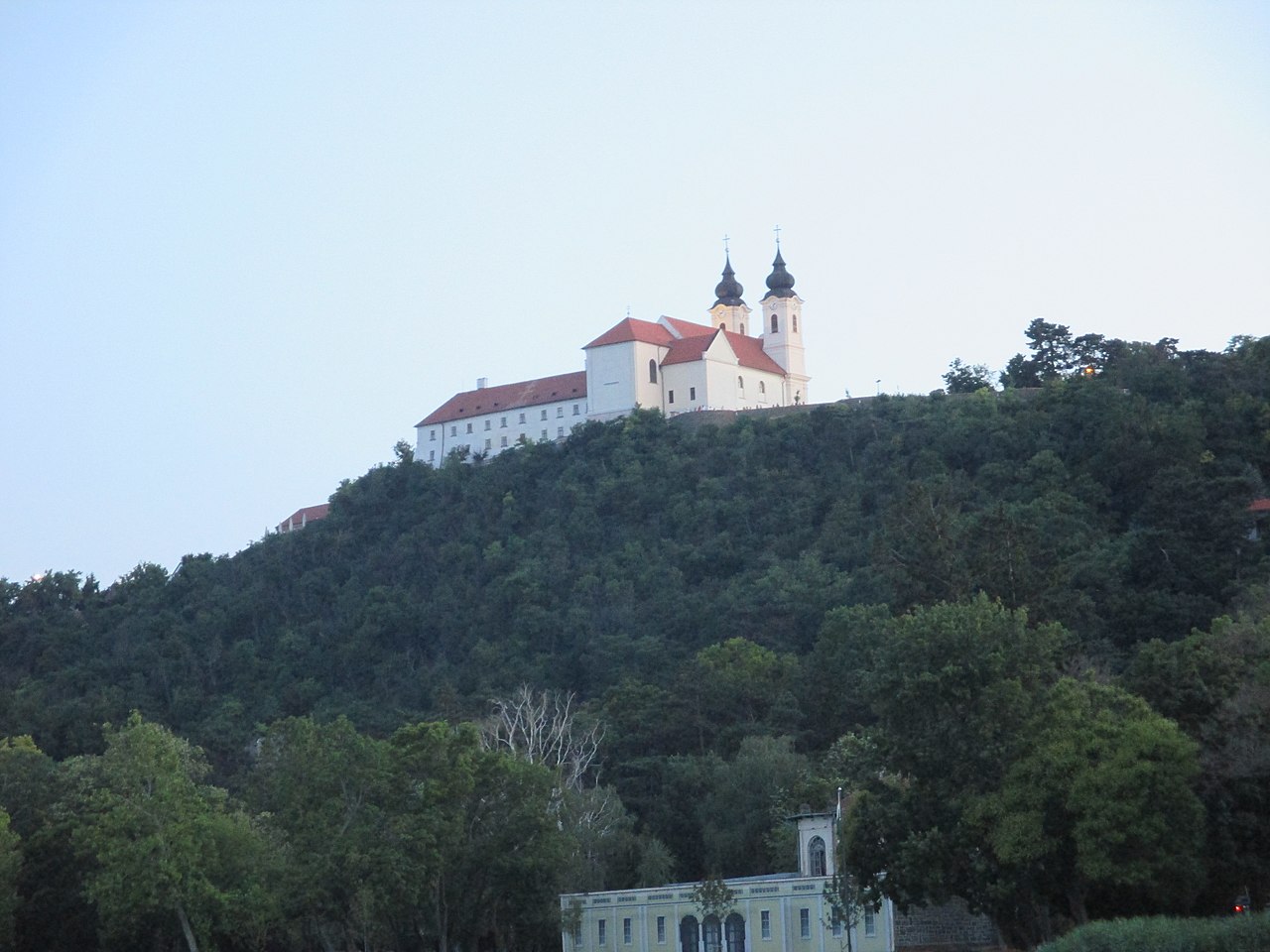
Settlement around the lake includes a mix of historic spa towns, resort centres and wine villages. Notable places are Siófok, often referred to as the lake’s summer capital for its lively waterfront and nightlife; Balatonfüred and Tihany, known for historic architecture and scenic views; and Keszthely, which serves as a cultural gateway on the western shore. The surrounding hills contain vineyards, especially near the Badacsony area, and there are thermal springs and spa resorts in the region.
Uses and recreation
Balaton supports a wide range of leisure activities. Sailing, windsurfing and boating are very popular, capitalizing on predictable summer breezes. Shallow waters warm quickly and attract swimmers and families; shoreline parks and promenades host festivals, markets and cultural events each season. The lake also sustains local fisheries and small-scale agriculture along its shores.
History and cultural importance
The lakeshore has been inhabited for centuries and has a layered cultural history visible in Roman remains, medieval settlements and 19th–20th century resort development. In the modern era Balaton has become central to Hungarian holiday traditions and domestic tourism. Transport links and hospitality infrastructure expanded in the 19th and 20th centuries, turning many small towns into year-round destinations.
Conservation and notable facts
Balaton’s shallow basin and surrounding wetlands support diverse birdlife and aquatic plants, and parts of the shore are managed for nature protection. Water quality and shoreline development are ongoing concerns for planners balancing tourism, agriculture and habitat conservation. For general information see regional resources, for environmental and recreational guidance consult conservation and tourism sites, and for visitor planning use local tourism pages such as official visitor guides.
Related articles
Author
AlegsaOnline.com Balaton (Lake Balaton) Leandro Alegsa
URL: https://en.alegsaonline.com/art/8450
Sources
- commons.wikimedia.org : Balaton
- springerreference.com : Encyclopedia of Hydrology and Lakes