
Ross Sea: Antarctic bay, ecosystem, and scientific region
The Ross Sea is a deep embayment of the Southern Ocean off Antarctica, noted for its ice shelves, productive marine life, scientific stations, and large protected area established to conserve its near-pristine ecosystem.
Overview
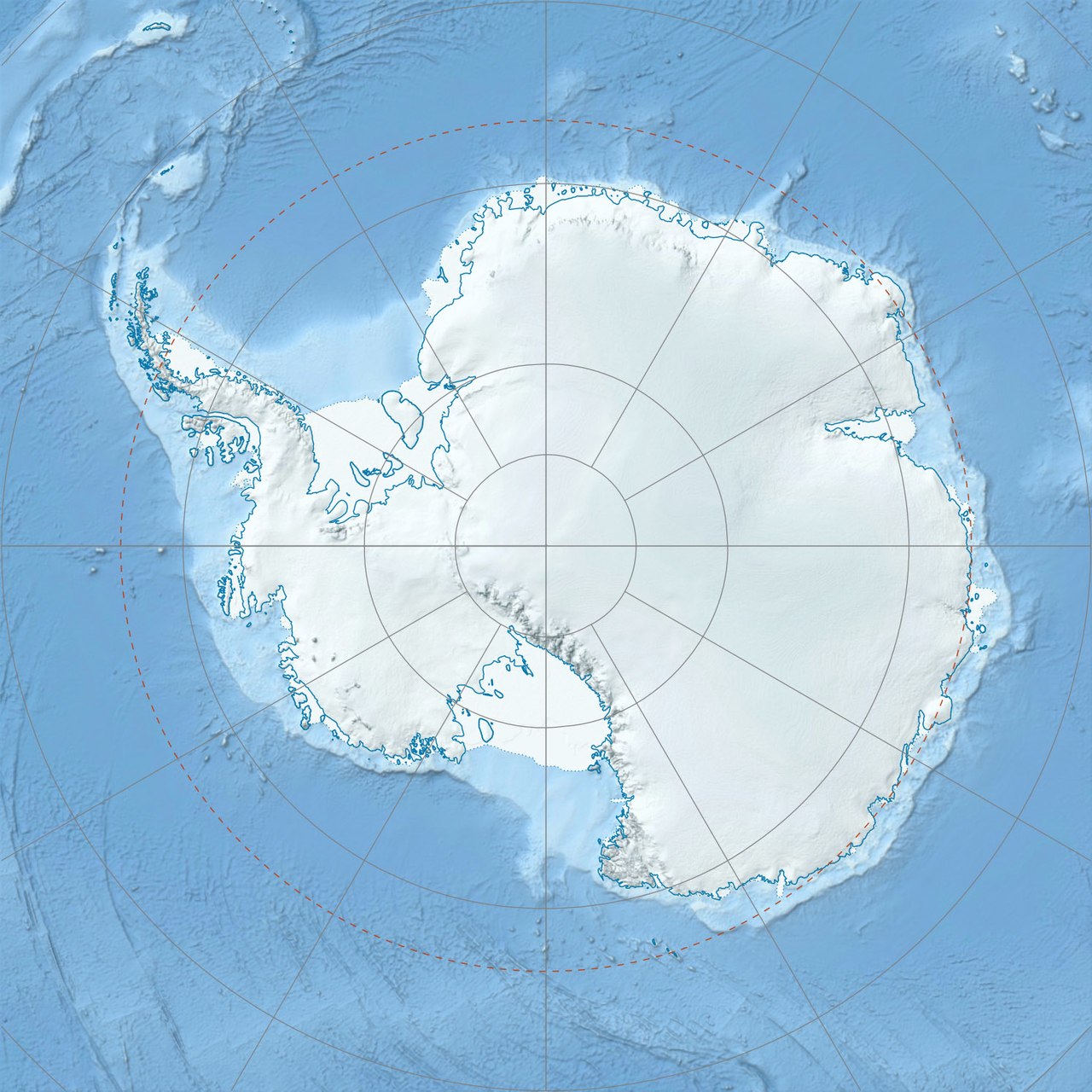
The Ross Sea is a large, deep bay of the Southern Ocean located in Antarctica between the continental regions of Victoria Land and Marie Byrd Land. Framed by the floating Ross Ice Shelf and numerous islands and coastal features, it is one of the least disturbed marine ecosystems on Earth and a focus for polar research and conservation.
Image gallery
7 Images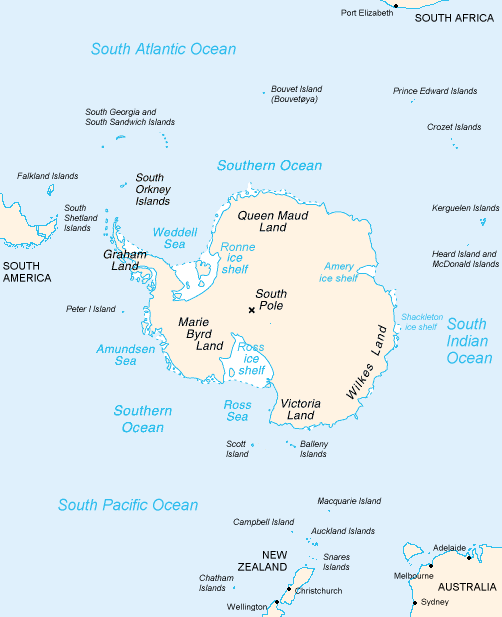



Geography and physical characteristics
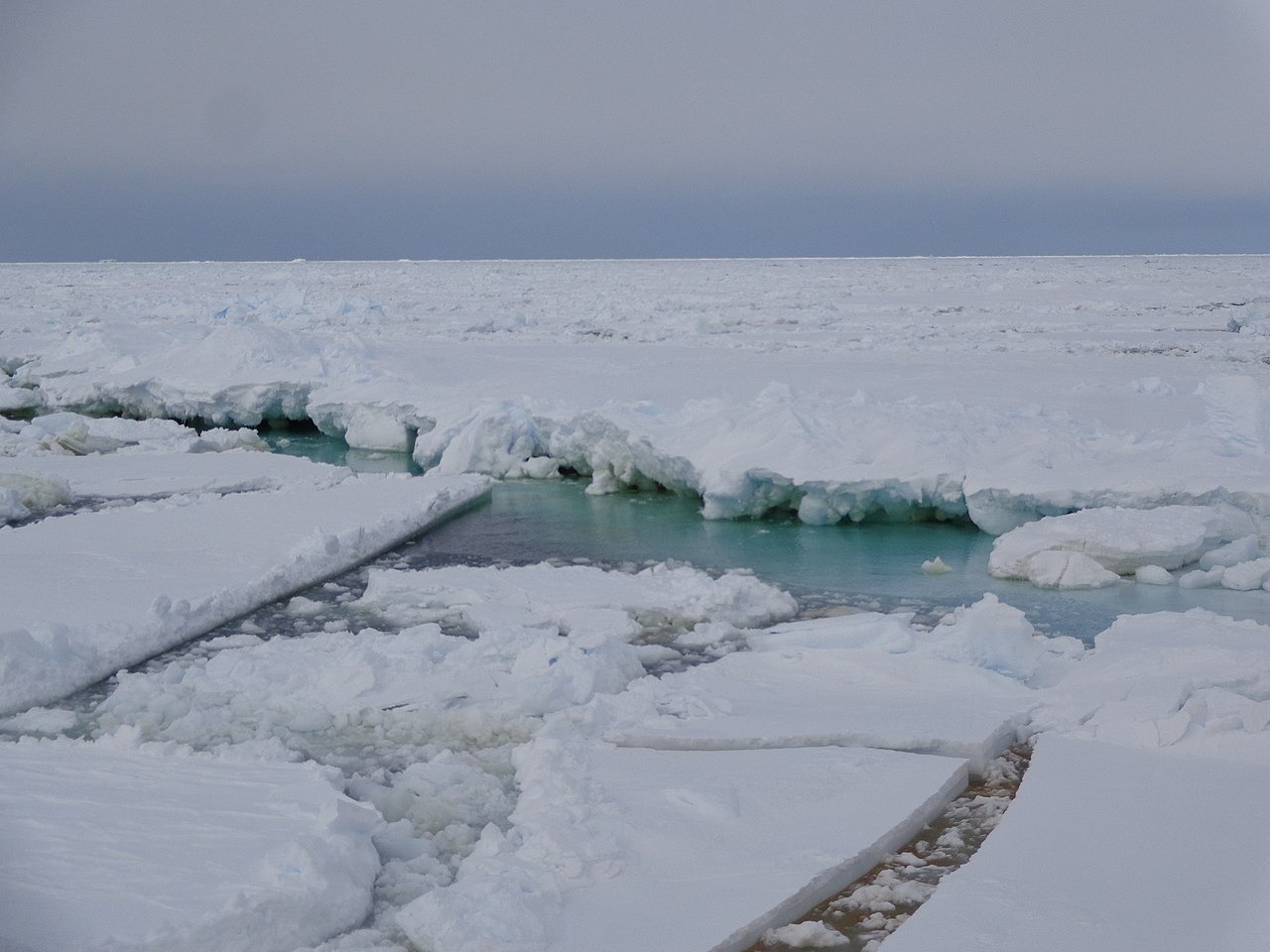
The Ross Sea is characterized by extensive sea ice in winter and seasonal melt in summer, deep basins and continental shelves, and cold, nutrient-rich waters that support high biological productivity. Major features include the Ross Ice Shelf at its southern edge and coastal embayments such as McMurdo Sound, which connect the sea to onshore research facilities.
Ecology and scientific importance
Because of its relative isolation and intact food webs, the Ross Sea supports large populations of krill and fish, including species adapted to polar conditions, as well as seabirds, seals and several penguin species. Scientists study the region to understand climate processes, ice dynamics and the functioning of near-pristine marine ecosystems.
Human presence, history and protection
Explorers, whalers and later scientific expeditions have visited the area; today the sea is the site of research stations such as McMurdo Station and Scott Base. In recent years the international community established a large marine protected area in the Ross Sea to limit fishing and preserve biodiversity, an important step for conservation and long-term study.
Notable facts and distinctions
- The Ross Sea is often cited as one of the world’s most intact marine ecosystems in polar regions.
- Its seasonal ice cover and connection to the Ross Ice Shelf make it important for studies of ice-ocean interaction and global climate.
- Research activities there contribute to global understanding of Antarctic ecology and the impacts of climate change.
For further reading on physical geography, polar research and conservation measures related to the region, the linked resources offer entry points to more detailed information.
Related articles
Author
AlegsaOnline.com Ross Sea: Antarctic bay, ecosystem, and scientific region Leandro Alegsa
URL: https://en.alegsaonline.com/art/84225
Sources
- britannica.com : britannica.com/place/Ross-Sea