
Ross Dependency
A sector of Antarctica claimed by New Zealand, centered on the Ross Sea and Ross Ice Shelf, notable for scientific stations, distinctive islands and ice features, and its status under the Antarctic Treaty.
The Ross Dependency is the name used for a sector of Antarctica and several nearby islands in the Southern Ocean that New Zealand asserts as a dependent territory. The designation commemorates the British explorer Sir James Clark Ross, who led nineteenth-century expeditions that charted the Ross Sea and nearby coasts. Though described as a national claim, the Ross Dependency is administered and used for scientific research within the international framework established by the Antarctic Treaty System.
Image gallery
2 Images
Geography and principal features
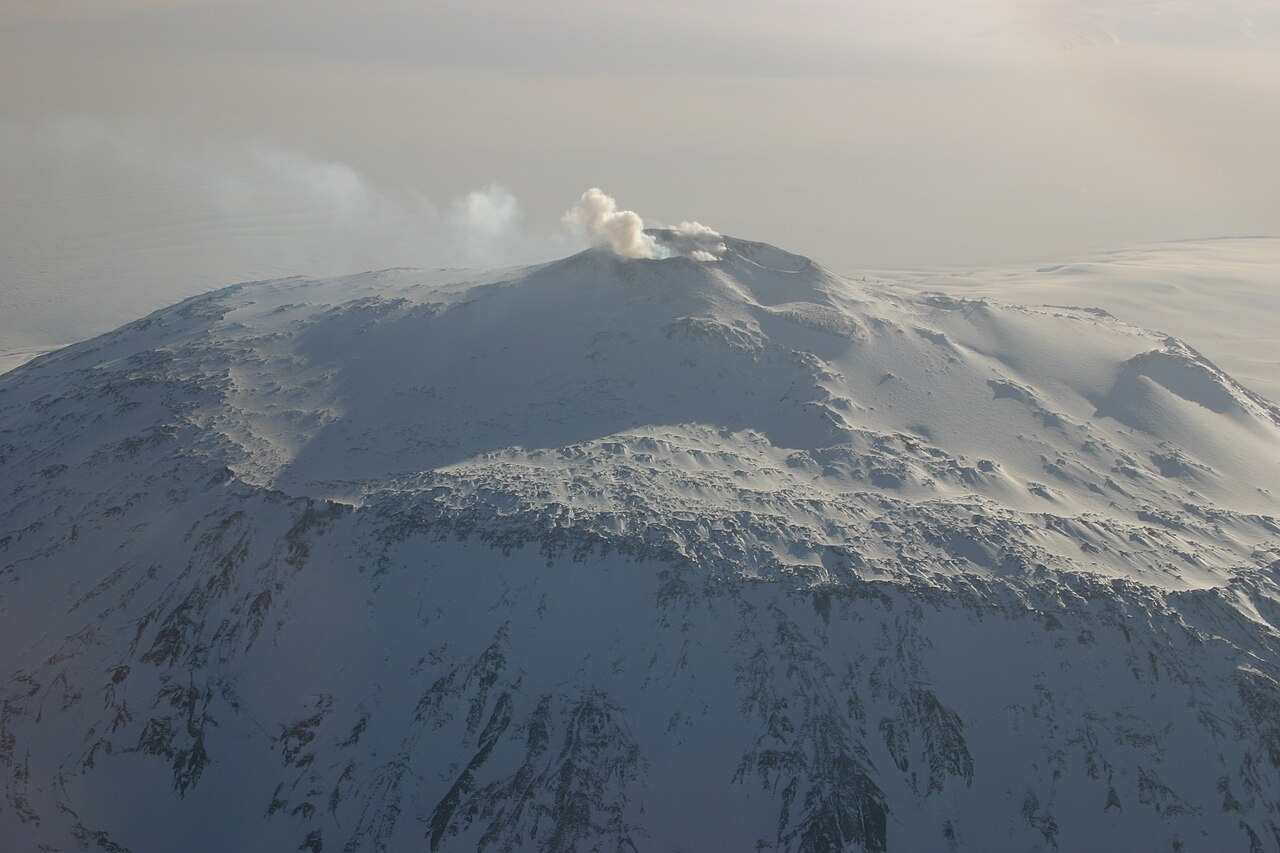
The area encompasses a broad coastal swath of continental Antarctica and a number of offshore islands. Key terrestrial and marine features associated with the Ross Dependency include parts of Victoria Land on the Antarctic continent, the expansive Ross Ice Shelf that fringes the coast, and prominent volcanic and ice-covered islands. Among these are Ross Island, the remote Scott Island, and the subantarctic Balleny Islands. It takes its name from the nearby Ross Sea, a biologically productive sector of the Southern Ocean.
History and legal status
The name acknowledges early exploration by Sir James Clark Ross and subsequent mapping by later expeditions. New Zealand has long administered activities in the region and maintains logistics and research operations there. However, sovereignty in Antarctica is different from terrestrial claims: under the Antarctic Treaty System the exercise of jurisdiction and territorial assertions are held in abeyance for the duration of the treaty, and the continent is dedicated to peaceful scientific cooperation. Readers seeking formal government statements may consult New Zealand sources about the dependency’s administration via New Zealand-linked information.
Research stations and logistics
The Ross Dependency hosts some of Antarctica’s most active research infrastructure. The principal permanently occupied facilities are New Zealand’s Scott Base and the adjacent United States station, McMurdo Station, which function as hubs for field science and logistics. The famed Amundsen–Scott South Pole Station sits near the southern margin of the territorial sector and is part of the wider scientific network. Air access relies on specialized runways and skiways: Williams Field is a snow runway used for ski-equipped aircraft, and there are seasonal ice runways that permit wheeled aircraft when conditions allow, enabling year-round resupply and personnel movement (Williams Field).
Science, environment and human presence
Scientific work in the region ranges from glaciology and climate studies to marine biology and atmospheric science. The Ross Ice Shelf is of particular interest because its dynamics influence global sea level and ocean circulation. The Ross Sea is also a focus for ecological research and conservation discussions because of its rich marine life and importance as a feeding ground for seals, penguins and whales. Human habitation is limited to research personnel and support staff; there are no indigenous or permanent civilian populations.
Notable distinctions and practical points
- The dependency includes both continental areas and outlying islands, linking features that are marine, glacial and volcanic in character.
- The name honors historic exploration by Sir James Clark Ross, while modern activity is dominated by science and logistics.
- Because Antarctic sovereignty is regulated internationally, the claim functions differently from ordinary national territories; cooperative governance and environmental regulation are emphasized.
For further orientation, general resources about Antarctica and the Southern Ocean can provide wider context on climate, ecosystems and the international legal framework: see entries on Antarctica, the Southern Ocean, and materials published by New Zealand and other treaty parties. Practical and historical summaries are also available from polar research organizations and national Antarctic programs that operate in and around the Ross Dependency.
Questions and answers
Q: What is the Ross Dependency?
A: The Ross Dependency is an area of Antarctica claimed by New Zealand, which includes part of Victoria Land, most of the Ross Ice Shelf, Ross Island, Balleny Islands, and Roosevelt Island.
Q: Why is it called the Ross Dependency?
A: The Dependency is named after Sir James Clark Ross, who discovered the Ross Sea.
Q: What are the scientific bases in the Ross Dependency?
A: The scientific bases in the Ross Dependency are Scott Base (New Zealand) and McMurdo Station (USA), which are the only permanently occupied human settlements in the area, apart from the Amundsen-Scott South Pole Station located on the very edge of the territory.
Q: Are there any airports in the Ross Dependency?
A: Yes, there is a snow runway at Williams Field, and depending on conditions and time of year, two ice runways, which allows wheeled and ski equipped aircraft to come and go year round.
Q: Which landmasses in the Southern Ocean are included in the Ross Dependency?
A: Other landmasses in the Southern Ocean claimed by New Zealand are also part of the Ross Dependency.
Q: Can people live in the Ross Dependency permanently?
A: The only permanent human settlements in the Ross Dependency are the scientific bases of Scott Base and McMurdo Station.
Q: What is the Ross Ice Shelf?
A: The Ross Ice Shelf is a massive floating ice platform that is the largest ice shelf of the Antarctic Ice Sheet.
Related articles
Author
AlegsaOnline.com Ross Dependency Leandro Alegsa
URL: https://en.alegsaonline.com/art/84217
Sources
- mfat.govt.nz : New Zealand Ministry of Foreign Affairs and Trade
- gdl.cdlr.strath.ac.uk : "Robert Swan Expedition 1984-85"