
Rosalía de Castro: Galician poet and pioneer of modern Galician literature
Rosalía de Castro (1837–1885), a writer from Santiago de Compostela, wrote in Galician and Spanish and helped revive Galician literature; known for Cantares Gallegos, Follas Novas, and themes of identity and social feeling.
Overview
Rosalía de Castro (b. 24 February 1837 – d. 15 July 1885) was a writer and poet from Santiago de Compostela in the region of Galicia, in northwest Spain. She produced significant work in both the Galician language and Castilian. Her writing is commonly cited as a cornerstone of the Galician cultural revival of the 19th century.
Image gallery
6 Images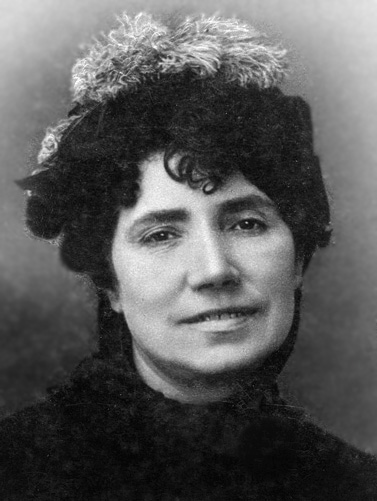


Life and historical context
Born into a period of linguistic and social change, Rosalía combined local tradition with European Romantic sensibilities. Her marriage to the historian Manuel Murguía placed her at the center of efforts to recover Galician language and identity. Writing in Galician at a time when that language had been marginalized gave her work both cultural and political resonance.
Major works
- Cantares Gallegos (1863) – a landmark collection in Galician that helped spark renewed literary interest in the region.
- Follas Novas (1880) – a mature Galician collection exploring personal and social themes.
- En las orillas del Sar (1884) – poems in Spanish that emphasize introspection and formal refinement.
Themes, style and importance
Rosalía's verse is noted for its lyrical intensity, melancholic tone and attention to rural life, gender, poverty and exile. She used local speech and imagery to express universal feelings; critics highlight her capacity to blend folk motifs with cultivated poetic technique. These qualities made her a model for later Galician writers and an emblem of Galician literature's modernization.
Legacy and recognition
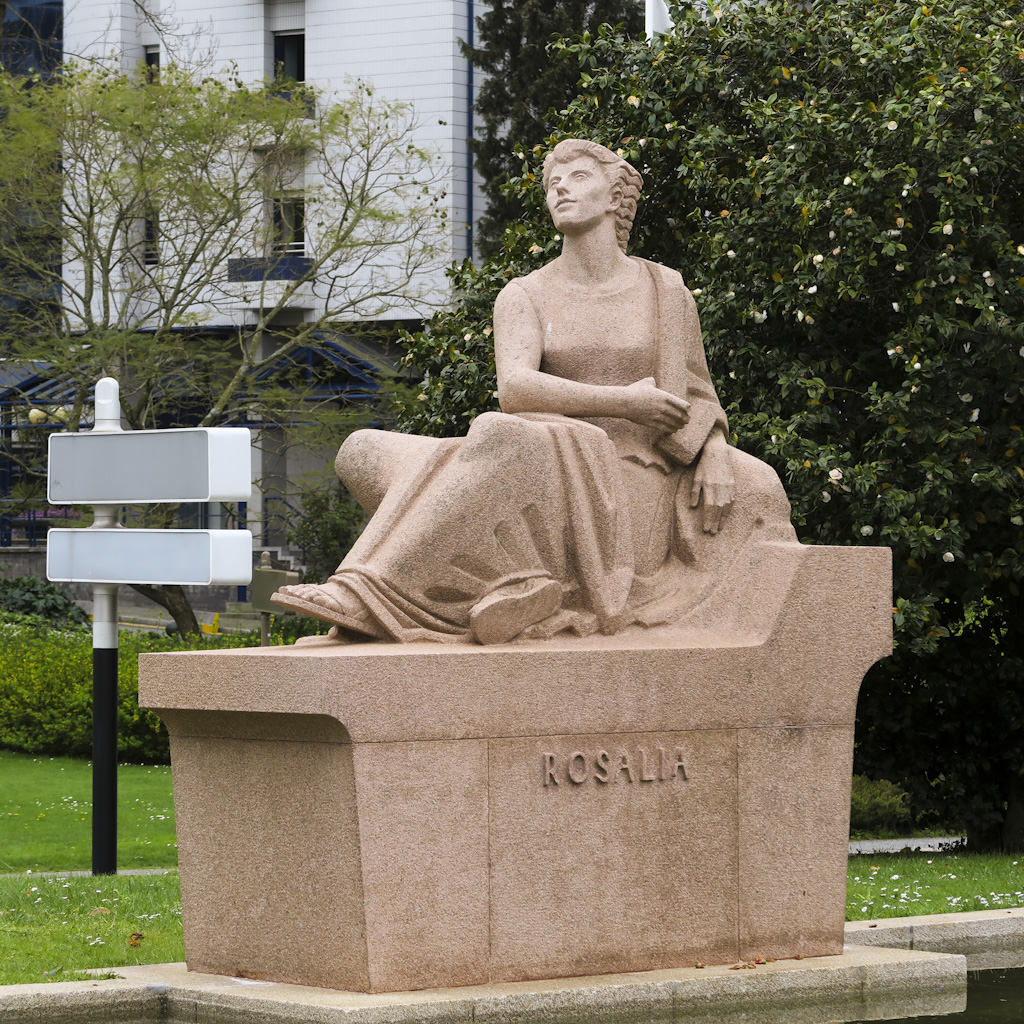
Rosalía de Castro is often remembered as a foundational figure of the Galician literary renaissance (Rexurdimento). Her works continue to be taught and commemorated; public monuments, editions, and cultural events celebrate her influence on regional identity and on Spanish and Galician letters. For further reading and biographical resources, see entries at biographical studies and regional cultural sites such as national overviews or local archives holding her manuscripts. Additional contextual material is available through scholarly portals about her life, language projects on Galician, and literary surveys on Galicia and Santiago de Compostela.
Further notes
Readers interested in the period or in comparative literature may consult modern translations and critical editions to explore Rosalía's bilingual production and its impact on 19th-century Iberian literature. Introductory overviews and selected texts are available through pedagogical and cultural resources covering Castilian works and specialist sites on poetry.
Related articles
Author
AlegsaOnline.com Rosalía de Castro: Galician poet and pioneer of modern Galician literature Leandro Alegsa
URL: https://en.alegsaonline.com/art/84122