
Ronald McDonald — McDonald's clown mascot
Ronald McDonald is a fictional clown used as the primary mascot of the McDonald's restaurant chain, known for his red hair, colorful costume, appearances in advertising and support for Ronald McDonald House Charities.
Overview
Ronald McDonald is a fictional clown character created to represent the mascot identity of the McDonald's restaurant brand. Conceived in the early 1960s for television advertising and local promotions, Ronald became the chain's most recognizable symbol in many countries and a recurring figure in marketing, public events and charitable work.
Image gallery
5 Images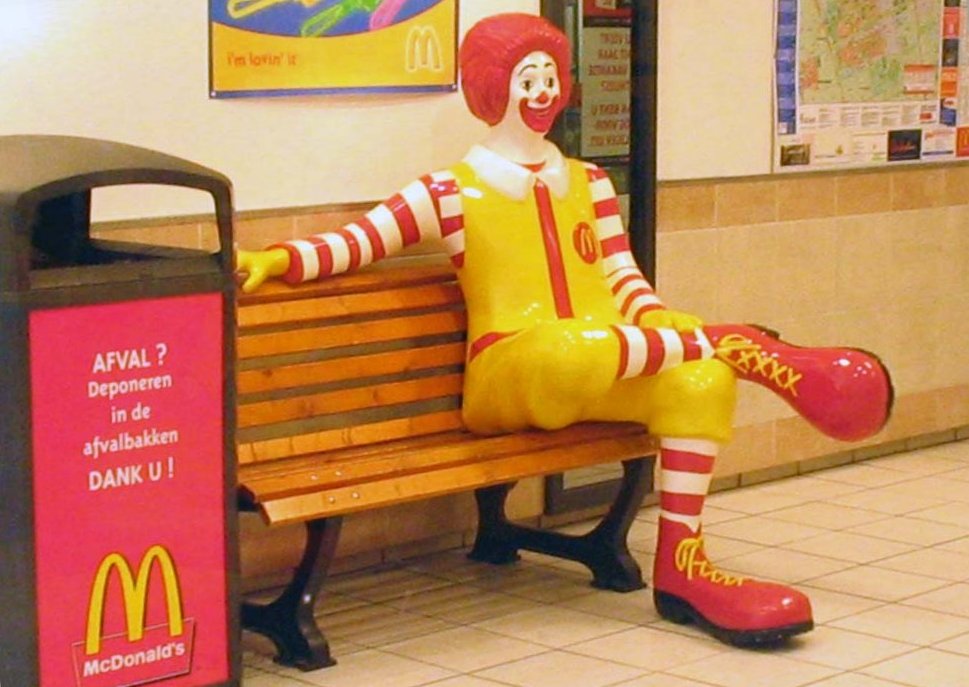



Appearance and characteristics
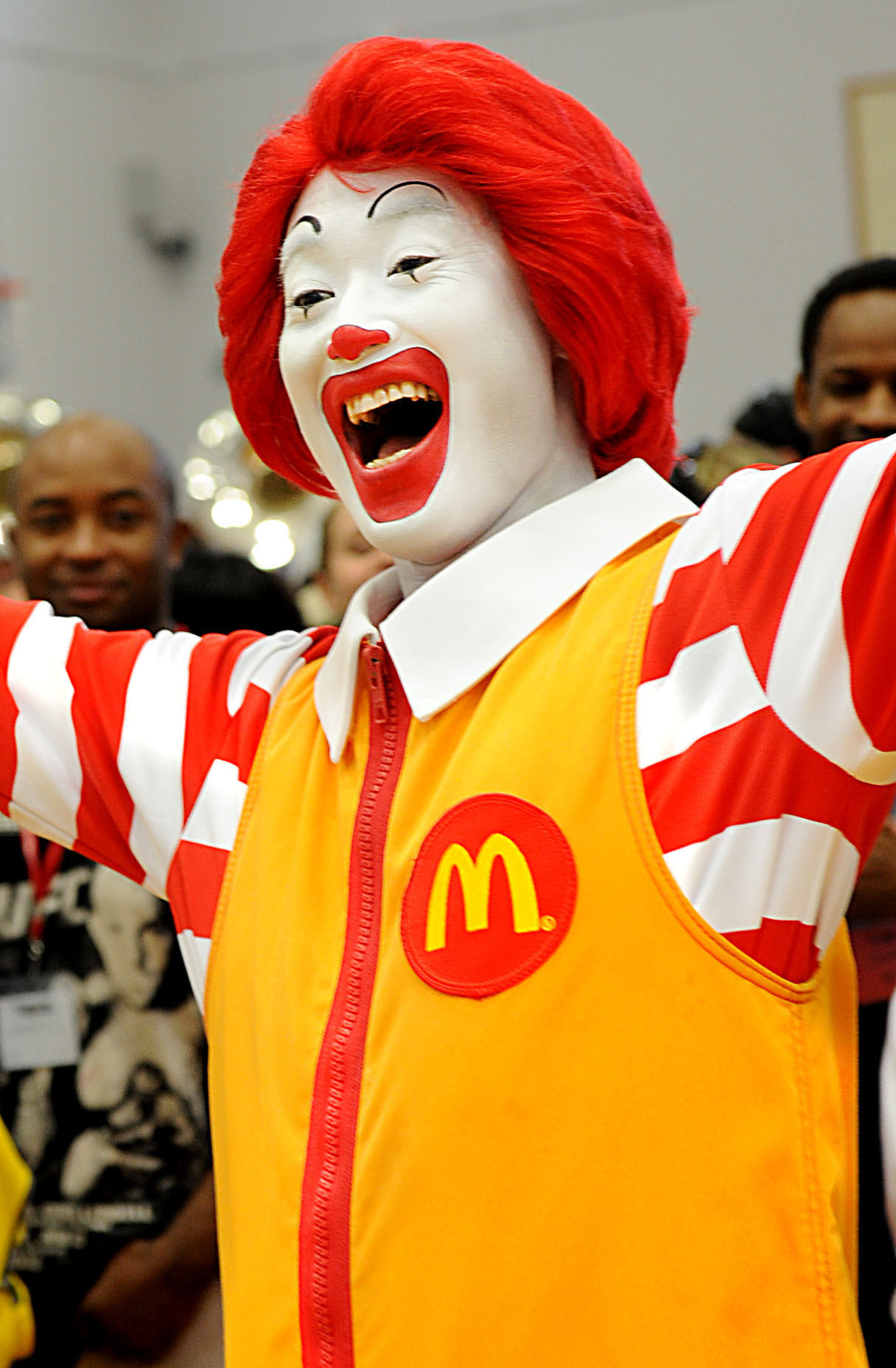
The character is typically portrayed with a white-painted face, a bright red wig, distinctive makeup and an exaggerated smile. His costume commonly features yellow and red colors, oversized shoes and stripes or patterns that vary over time and by region. Ronald is usually presented as cheerful and playful, often shown in family-oriented settings or in imaginary scenes from McDonaldland, the fictional world used in many of the brand's stories.
Origins and development
The first widely acknowledged performer to portray the character was a local personality who adapted an earlier clown persona into Ronald for promotional appearances; later professional clowns and actors developed the role more formally. One early portrayer credited with helping introduce the character to a broader audience was Willard Scott. Subsequently, costume and makeup were refined by other performers and designers; among them, clown performer Michael Polakovs (also known as Coco the Clown) contributed to a look that influenced later portrayals. Over decades the appearance and presentation have changed to match contemporary advertising styles and cultural expectations.
Roles, uses and public activities
- Advertising and brand identity: Ronald has been a central figure in television commercials, print ads and in-store promotions aimed at families and children.
- Appearances and events: Actors in Ronald's costume have appeared at community events, parades and store openings to greet customers and support local promotions.
- Charitable work: The character is closely associated with Ronald McDonald House Charities, a network that supports families with seriously ill children by offering temporary housing and other assistance near medical centers.
Corporate use of the character has often emphasized wholesome, helpful themes; he is sometimes framed as a playful, even heroic figure in promotional stories that highlight kindness and community support.
Notable facts and public response
Ronald McDonald has been an influential marketing figure and a subject of cultural discussion. Supporters point to his role in family-friendly outreach and charitable initiatives; critics have questioned aspects of marketing fast food to children and debated the character's prominence in some contexts. In response to shifting public attitudes and regulatory environments, companies periodically adjust how and where mascot characters are used.
Despite changes over time, Ronald McDonald remains a recognizable icon tied to the history of fast-food advertising and to the broader set of fictional characters and promotional worlds associated with the McDonald's brand.
Key references and further reading may include corporate histories, biographies of performers who shaped the role and overviews of food-industry marketing practices; these sources help contextualize how a single mascot has evolved from local promotion to an international symbol.
For more on the character's depiction, originators and the fictional setting he inhabits, see related materials linked throughout this article and the body of advertising and charity work connected to the brand.
clown | character | mascot | McDonald's | McDonaldland | Willard Scott | Michael Polakovs | heroic
Related articles
Author
AlegsaOnline.com Ronald McDonald — McDonald's clown mascot Leandro Alegsa
URL: https://en.alegsaonline.com/art/83990
Sources
- mbutimeline.com : "MBU Runs for Ronald"
- foodandwine.com : "'Ronald' Is a Touching Interview with an Actor Who Played Ronald McDonald for 12 Years"
- baltimoresun.com : "McDonald's plans a Ronald revival"