
Hunter S. Thompson — Life, Gonzo Journalism, Major Works and Legacy
Profile of Hunter S. Thompson, American journalist and author known for inventing Gonzo journalism; covers his life, style, major works, themes and influence on literature and culture.
Overview
Hunter Stockton Thompson (July 18, 1937 – February 20, 2005) was an American writer and cultural figure celebrated for a confrontational, first-person reporting style that blurred the lines between reporter and participant. Born and raised in Louisville, Kentucky, he spent much of his later life on a rural property near Aspen, Colorado, and became a public voice on politics, drugs, and the decline of mainstream institutions.
Image gallery
10 Images


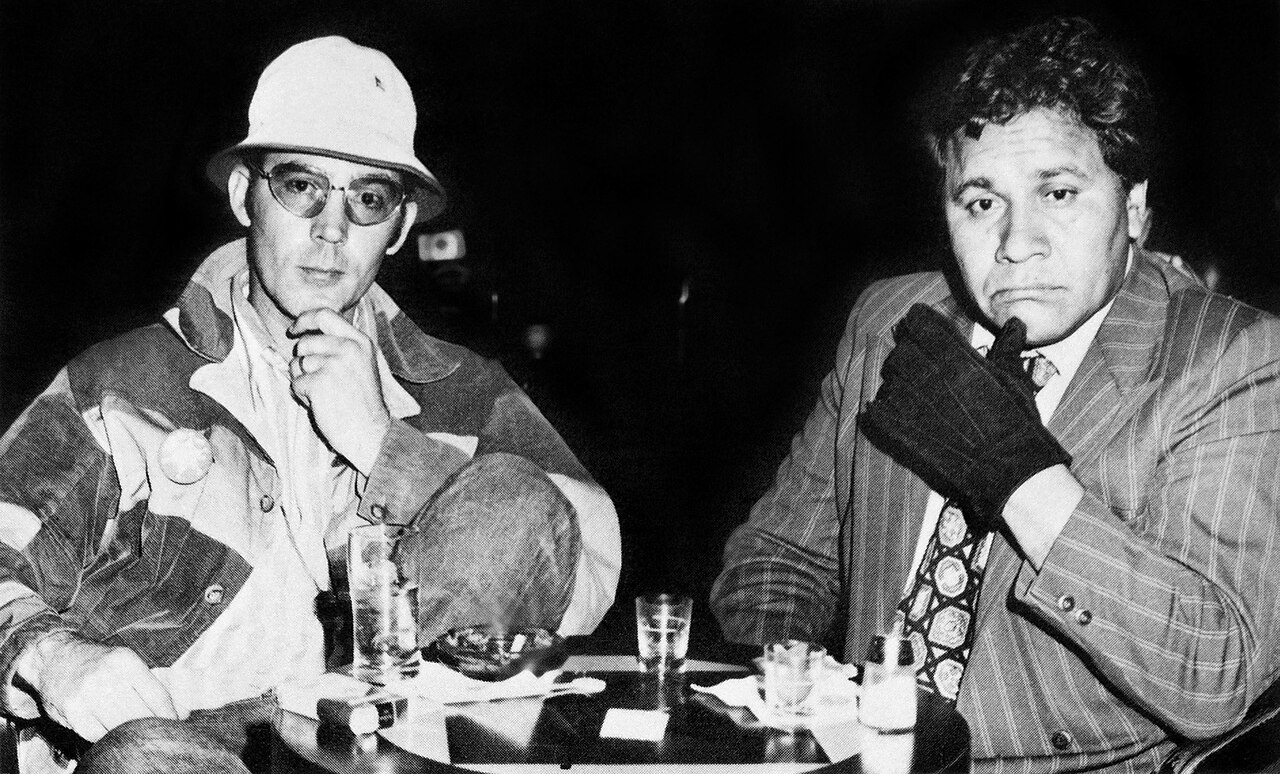


Gonzo journalism: style and characteristics
Thompson coined or popularized the term Gonzo to describe a form of reportage in which the author's subjective impressions and experiences are central. Instead of striving for detached objectivity, his pieces often combine satire, personal narrative, social critique, and deliberate excess. Characteristics include:
- First-person immersion: the reporter is an active character in the story.
- Blend of fact and literary invention to capture emotional truth.
- Aggressive, ironic tone and frequent use of hyperbole.
- Focus on subcultures, political campaigns, and the limits of American institutions.
Major works and themes
His early success came with a book-length account of motorcycle culture and criminal trials, and he gained lasting fame with a long-form piece that became Fear and Loathing in Las Vegas, a hallucinatory road narrative about excess, media, and the fading American promise. Other notable works include campaign reporting and essays that interrogated power, media, and personal freedom. Many of his writings revolve around concerns about the health of the American Dream and the social forces that threaten it.
Career, public life and controversies
Thompson's career combined magazine reporting, books, political commentary, and a distinctive public persona. He wrote for magazines and cultivated relationships with editors and artists, often provoking admiration and sharp criticism alike. Critics questioned his factual rigor and ethical stance because his methods intentionally mixed reportage with dramatization, while supporters argued his approach exposed deeper cultural truths about modern America. For readers seeking context on his bibliography or journalism approach, see a profile of him as a journalist.
Personal life and death
He lived much of his adult life in Colorado and maintained a complex personal life shaped by friendships, legal battles, and a reputation for heavy drinking and drug use. Thompson died at his home in Woody Creek; reports indicate he took his own life in 2005. His death prompted renewed discussion of his life, work, and the toll of public notoriety on creative figures; more information about his Colorado residence is available here, and circumstances surrounding his death have been discussed in multiple retrospectives here.
Legacy and influence
Thompson's influence extends to journalism, literature, film, and popular culture. His voice shaped later generations of writers who favor immersive, subjective reportage and stylistic risk-taking. He remains a polarizing figure: admired for inventiveness and candor, and critiqued for his self-mythologizing and variable adherence to factual orthodoxy. For researchers and fans, a range of critical studies and archives explore his manuscripts, recordings, and correspondence here and provide entry points into his enduring cultural impact.
Author
AlegsaOnline.com Hunter S. Thompson — Life, Gonzo Journalism, Major Works and Legacy Leandro Alegsa
URL: https://en.alegsaonline.com/art/139927