
Rognonas — a small commune in Provence-Alpes-Côte d'Azur, France
Rognonas is a small commune in the Bouches‑du‑Rhône department of southern France. This article summarizes its location, character, historical context, community life and where to find official information.

Overview
Rognonas is a commune in the south of France, situated within the Bouches‑du‑Rhône department of the Provence‑Alpes‑Côte d'Azur region. The commune had a recorded population of about 3,623 people in 2005. Like many small French communes it functions as the lowest level of local government, with a mayor and municipal council responsible for local services, planning and community life.
Image gallery
1 Image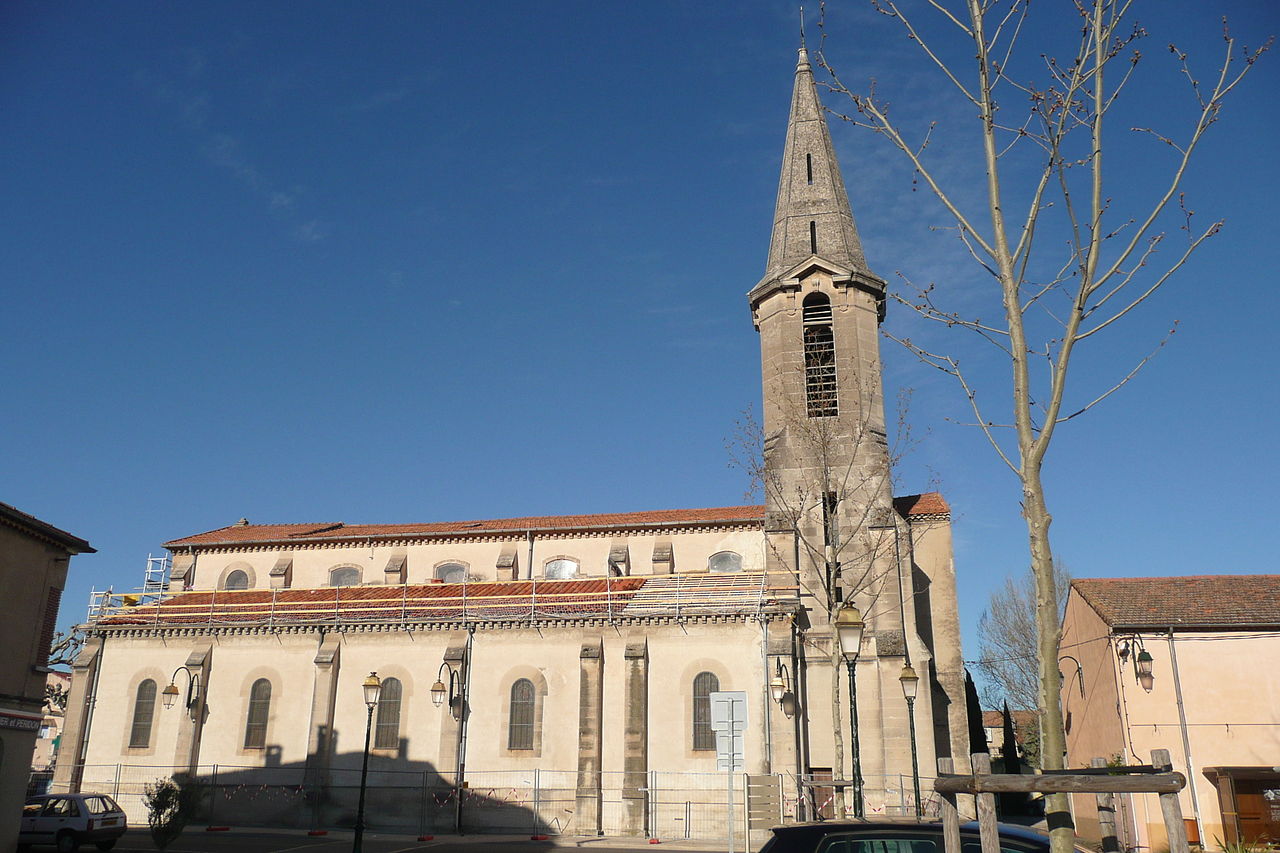
Characteristics and landscape
The settlement combines residential neighbourhoods, small agricultural plots and local businesses that serve everyday needs. The surrounding landscape reflects the wider Provençal plain, with cultivated fields and rural roads linking Rognonas to nearby towns. Public amenities typically include a town hall, primary school, places of worship and communal spaces used for markets and events.
History and development
While specific early records for Rognonas are not detailed here, villages in this part of Provence generally have origins that extend back through the medieval period and often earlier, shaped by agricultural use of the Rhône plain and the shifting boundaries of regional lordships. Over the 19th and 20th centuries such communes evolved from primarily agricultural hamlets to mixed residential communities connected to larger urban centres.
Community, culture and importance
Local life in Rognonas typically revolves around seasonal festivals, civic events and small‑scale commerce. The commune contributes to the cultural mosaic of Provence by maintaining local traditions and serving as a residential and agricultural component of the department. Its size makes it representative of many small French communes that balance heritage with modern services.
Practical information and links
For further details or official data consult the following resources:
- Local commune information
- Population and census data
- Regional overview: Provence‑Alpes‑Côte d'Azur
- Regional administration
- Bouches‑du‑Rhône department
- Departmental services and contacts
- Tourism and visitor information
Population figures and administrative arrangements can change; for the most up‑to‑date information consult official government or municipal sources linked above.
Related articles
Author
AlegsaOnline.com Rognonas — a small commune in Provence-Alpes-Côte d'Azur, France Leandro Alegsa
URL: https://en.alegsaonline.com/art/83740