
Roma (Romakloster), Gotland — locality on the Swedish island
Roma, often called Romakloster, is a small locality on Gotland, Sweden. Known for its medieval abbey site, it has a complex modern administrative history and is part of Gotland Municipality and County.
Overview
Roma, frequently referred to by the alternative name Romakloster, is a small Swedish locality (tätort) on the island of Gotland. It lies within Gotland Municipality and Gotland County, in Sweden. In official figures for 2010 the combined population of the area commonly called Roma was 913. The place name Roma is used in several overlapping ways locally and in statistical records, which has led to recurring confusion.
Image gallery
3 Images

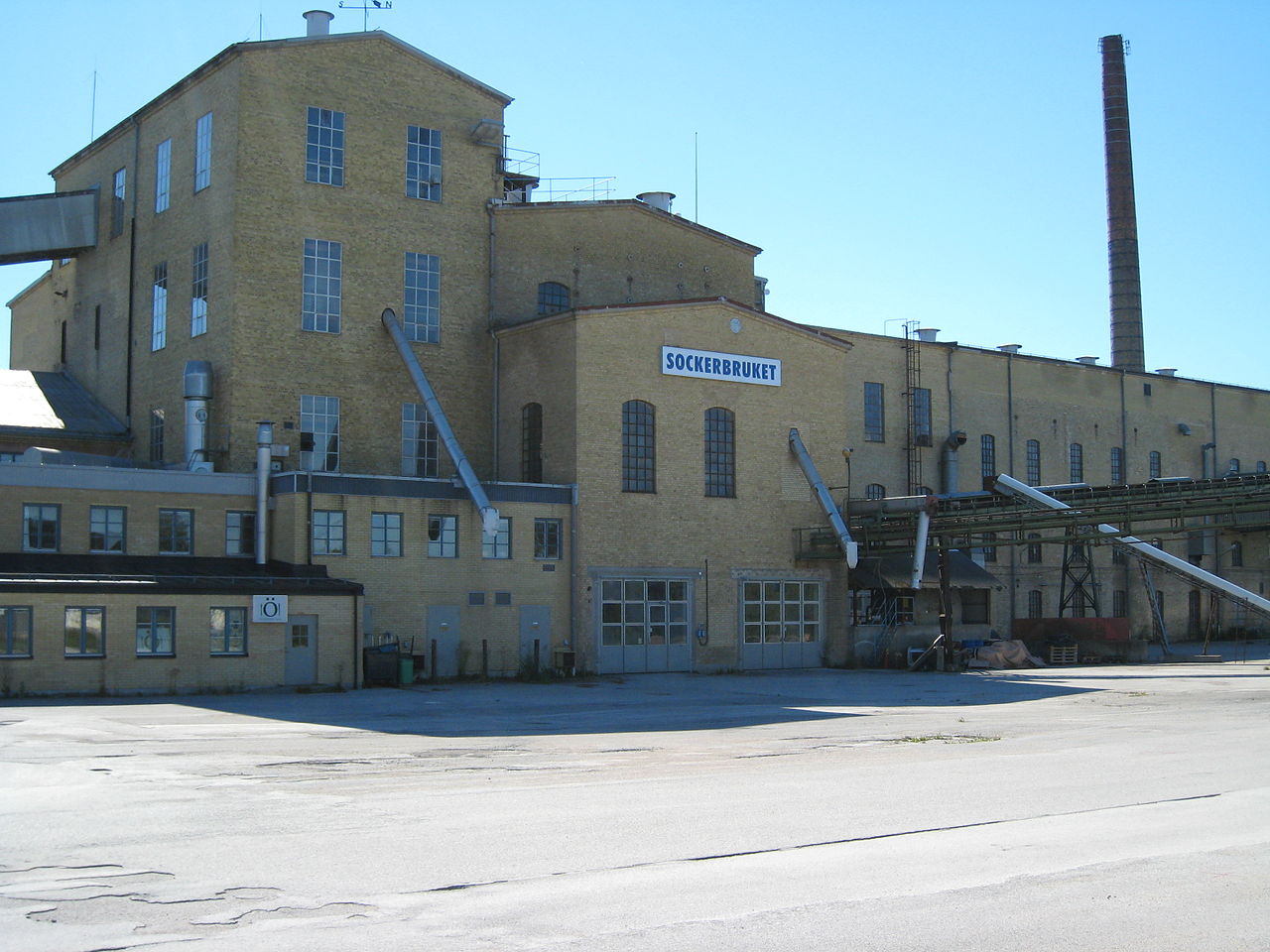
Historical background
The name Romakloster recalls a medieval Cistercian abbey that once stood here; "kloster" means monastery in Swedish. The abbey played a role in the island's medieval ecclesiastical landscape and left architectural and archeological traces. Over centuries the settlement around the monastic site evolved into a village and later a defined locality. Elements of the medieval past remain part of local identity and are of interest to visitors studying Gotland's religious and cultural history.
Geography and character
Roma is located inland on Gotland rather than on the island's coast. The surrounding landscape is typical of central Gotland: open fields, limestone bedrock, and a mix of farmland and small woods. The locality functions as a residential and service centre for nearby rural areas. Local buildings include a parish church, former monastic ruins or sites, and residential neighbourhoods; some structures reflect traditional Gotlandic stone construction.
Administrative and statistical distinctions
Statistics Sweden carried out a notable reclassification of the area in 1995. The original locality known as Roma was divided into two parts: one part was given the tentative name "Roma kyrkby" (also known locally as Lövsta) with a smaller population, and the other retained the name Roma but is commonly addressed as Romakloster for postal purposes. Since 2000 some statistical publications have labeled the smaller centre as "Roma," which has amplified public confusion about which area is meant in different datasets. Official correspondence and maps therefore sometimes require cross-checking to ensure the correct locality is identified; for historical population figures the split is important.
Notable features and local life
- Historical interest: medieval abbey site and church remains that attract local historians.
- Rural services: shops, smaller businesses and community facilities serving surrounding farms and settlements.
- Transport links: local roads connect Roma to Visby (Gotland's main town) and other villages, supporting commuting and tourism.
Further information
For administrative details and current statistical definitions consult national and municipal sources. The locality is listed in Swedish registers of populated places and is described in public statistics produced by Statistics Sweden. Additional local insights and visitor information can be found via municipal guides and regional cultural resources; see also general entries about the island in broader references for context about Gotland and its settlements (locality reference, national overview, county information).
Questions and answers
Q: Where is Roma located?
A: Roma is located in Gotland Municipality, Gotland County, Sweden.
Q: How many people lived in Roma in 2010?
A: In 2010, 913 people lived in Roma.
Q: When was Roma divided by Statistics Sweden?
A: Roma was divided by Statistics Sweden in 1995.
Q: What is the population of "Roma kyrkby" or "Lövsta"?
A: The population of "Roma kyrkby" or "Lövsta" is 277.
Q: What is the current postal address used by the remaining part of Roma?
A: The remaining part of Roma is using "Romakloster" as the postal address.
Q: Why is there confusion about the name "Roma" in the statistical figures?
A: The confusion about the name "Roma" in the statistical figures is caused by the fact that Lövsta/Roma kyrkby has been referred to as "Roma" since 2000.
Q: What is Roma also referred to as?
A: Roma is also referred to as Romakloster.
Related articles
Author
AlegsaOnline.com Roma (Romakloster), Gotland — locality on the Swedish island Leandro Alegsa
URL: https://en.alegsaonline.com/art/83827
Sources
- scb.se : "Tätorternas landareal, folkmängd och invånare per km2 2005 och 2010"
- scb.se : Tätorter 1995
- scb.se : Tätorter 2000