
Romance, Arkansas
Romance is a small rural community in Arkansas, United States, known for its distinctive name. This article outlines its character, historical context, economy, and why such places matter in regional life.
Overview
Romance is a small community in the U.S. state of Arkansas. It lies within the broader national context of the United States of America and is sometimes mentioned because of its memorable name. The settlement functions primarily as a local residential and agricultural place rather than a large urban center; descriptions emphasize rural character, dispersed dwellings and close ties to surrounding countryside.
Image gallery
1 Image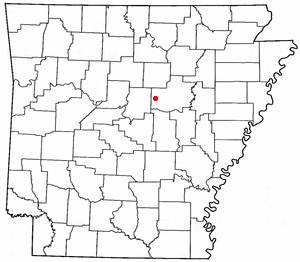
Geography and character
The area around Romance typically features the landscapes common to much of Arkansas: mixed woodlands, pasture, and small streams. Transportation is driven by local roads that connect residents to nearby towns and regional services. Properties tend to be low-density and land use often includes small-scale farming, hobby farms, and timberland. The community identity is defined more by local networks and natural surroundings than by civic institutions found in larger towns.
History and development
Like many small Arkansas communities, Romance emerged as part of nineteenth- and twentieth-century settlement patterns that followed agriculture, timber exploitation and the gradual extension of commerce and transport. Indigenous peoples long inhabited the wider region before European-American settlement; later local growth was shaped by family farms and the ebb and flow of rural economies. Specific founding dates and administrative changes vary among small places and are best confirmed from local records.
Economy, services and community life
Economic life in and around Romance is generally rural and diversified: agriculture, small businesses, commuting to nearby towns, and local services support residents. Civic life often centers on schools, churches and community events in neighboring towns rather than on extensive municipal infrastructure. Visitors or new residents are usually drawn by the quiet setting, affordable land and a sense of rural community.
Notable facts and cultural interest
Romance attracts occasional attention for its distinctive name, which makes it a curiosity in lists of unusual place names and a point of local pride. Small communities such as this illustrate broader themes in American geography: settlement continuity, rural stewardship, and the cultural value of place names. For general reference on the settlement, see local or state resources and maps, or follow links to regional information such as community listings.
- Typical activities: farming, hunting, outdoor recreation.
- Civic features: local institutions usually located in nearby towns.
- Why it matters: example of rural American life and place-based identity.
Related articles
Author
AlegsaOnline.com Romance, Arkansas Leandro Alegsa
URL: https://en.alegsaonline.com/art/83878