
Roger Scruton: English philosopher, writer and conservative thinker
Profile of Sir Roger Scruton (1944–2020), his philosophical themes, major works, public life and influence as a conservative intellectual and writer.

Overview
Sir Roger Vernon Scruton (27 February 1944 – 12 January 2020) was an English philosopher, writer and public intellectual best known for defending traditional conservative positions and for his work in aesthetics. He published more than fifty books on subjects including political philosophy, art, music, sexuality and religion. He was widely read in both academic and popular forums and contributed essays and columns to newspapers and magazines such as The Times, The Spectator and the New Statesman.
Image gallery
10 Images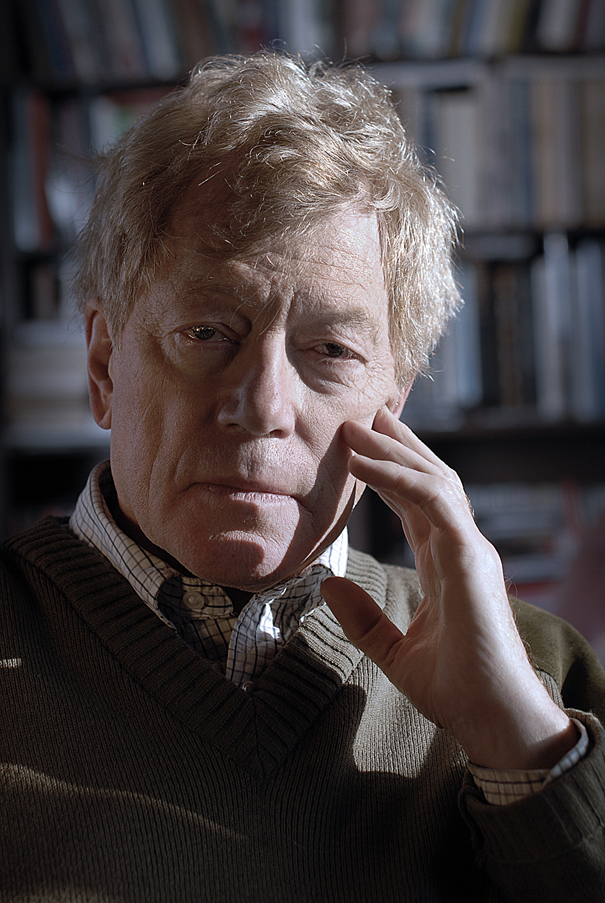






Philosophical themes and approach
Scruton's writing combined analytic rigor with cultural commentary. Central themes include the importance of cultural continuity, defense of national institutions, the moral and civic role of traditions, and an emphasis on beauty and the arts as necessary to human flourishing. In aesthetics he argued that aesthetic experience is a distinctive form of human understanding; in political thought he advocated a conservatism grounded in social bonds, property, and prudence rather than radical programmatic change.
Major works and contributions
Among his most widely read books are The Meaning of Conservatism (1980), Sexual Desire (1986), The Aesthetics of Music (1997) and How to Be a Conservative (2014). He served as editor of The Salisbury Review from 1982 to 2001, a journal that promoted traditionalist conservative ideas and stimulated public debate. His books on aesthetics and music are used in university courses and his essays often reached a broad readership beyond academia.
Life and career
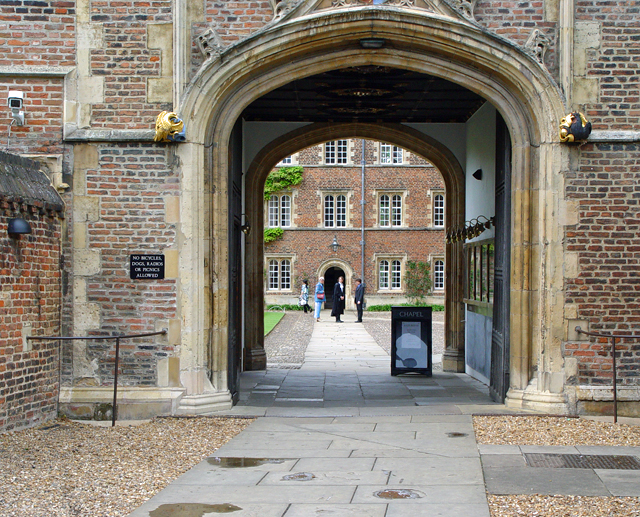
Born in Buslingthorpe, Lincolnshire, Scruton studied at Jesus College, Cambridge and later held academic posts and visiting positions in Britain and abroad. He lived for many years in Brinkworth, Wiltshire. He was elected to learned societies, received honors for his work and was knighted later in life. For background on places associated with his life see local references such as Buslingthorpe, Jesus College and Brinkworth.
Public reception, controversies and legacy
Scruton attracted both admiration and criticism. Supporters praised his clear prose, intellectual breadth and defense of cultural forms; critics took issue with some of his political positions and public statements. In 2019 he faced contentious media attention related to a brief government advisory role and reporting about remarks attributed to him; coverage of that episode highlighted tensions between journalism, public office and reputation. In mid-2019 he announced a diagnosis of terminal lung cancer and he died on 12 January 2020; accounts of his illness and passing were widely reported in the press.
Why he matters
- Influential voice for conservative thought in late 20th and early 21st centuries.
- Bridge between academic philosophy and popular cultural criticism.
- Left a substantial body of work on aesthetics that continues to inform scholarship and teaching.
For readers seeking introductions to his thinking, selections of his essays and some of his more accessible books offer clear expositions of his central claims about culture, beauty and the social bonds that sustain political life.
Related articles
Author
AlegsaOnline.com Roger Scruton: English philosopher, writer and conservative thinker Leandro Alegsa
URL: https://en.alegsaonline.com/art/83715
Sources
- books.google.com : xxix
- spectator.co.uk : "Roger Scruton: My 2019"
- bbc.com : "Roger Scruton: Conservative thinker dies at 75"