
Roman Curia — central administration of the Catholic Church
The Roman Curia is the ensemble of departments that assist the pope in governing the Catholic Church and managing Vatican City affairs, including diplomatic, judicial, pastoral, and administrative functions.
Overview
The Roman Curia is the group of offices and institutions that assist the pope in exercising his pastoral and administrative authority for the worldwide Catholic Church. It also manages many aspects of the small sovereign territory known as Vatican City. In informal terms the Curia can be described as the pope's central cabinet, although its role combines religious, diplomatic and civil responsibilities rather than serving as a modern governmental cabinet alone.
Image gallery
8 Images


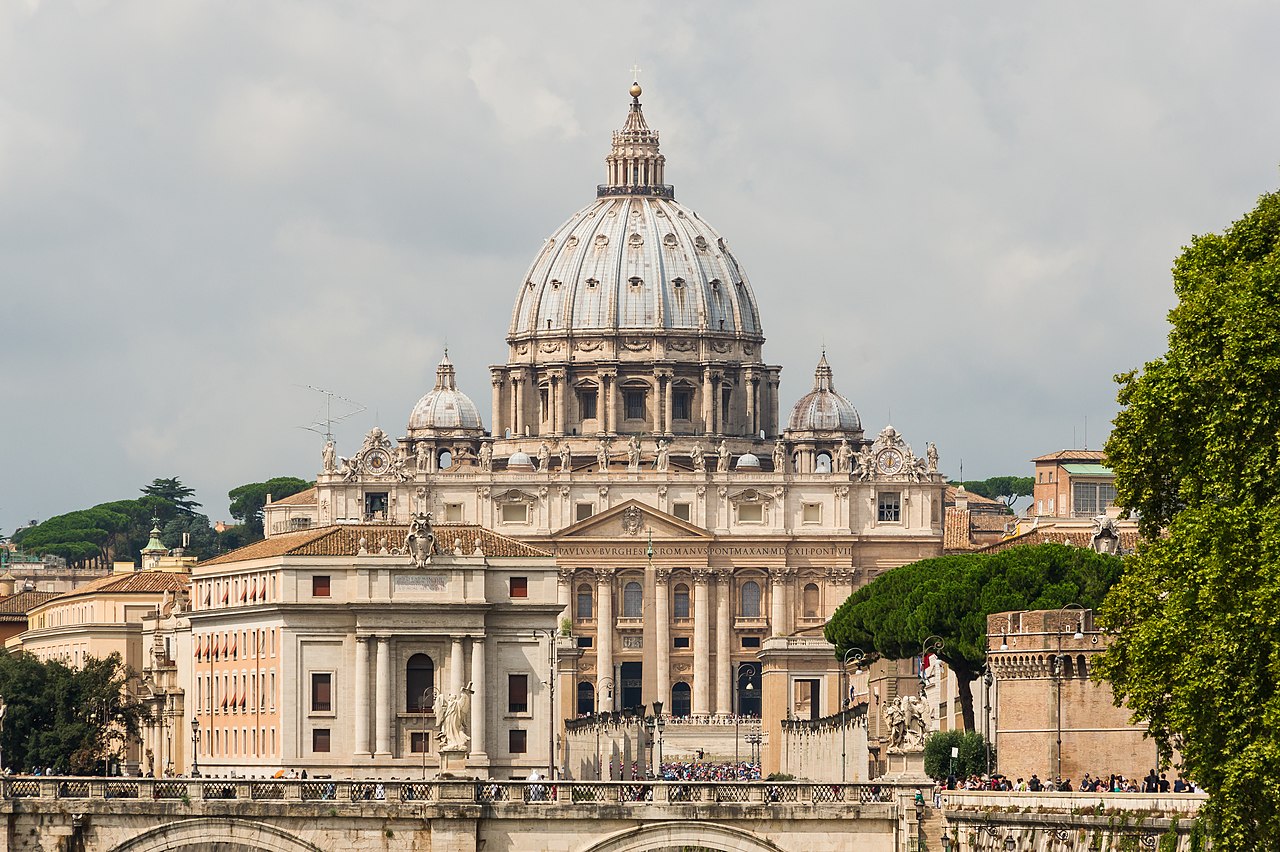


Structure and main components
The Curia is made up of several kinds of bodies that together handle different functions. These generally include:
- Secretariat of State — coordinating the pope's foreign relations and the overall activity of the Curia.
- Dicasteries (often called congregations or departments) — dealing with doctrine, bishops, clergy, education and other major areas.
- Tribunals and legal offices — serving judicial and administrative legal roles for the Holy See and for the Vatican as an independent jurisdiction; for example, some parts supervise the Vatican courts.
- Pontifical councils, commissions and offices — handling specific pastoral tasks such as ecumenical relations; the Pontifical Council for Promoting Christian Unity is one well-known example.
Function and importance
At its core the Curia supports the pope in governing a global Church: preparing papal documents, coordinating international diplomacy, overseeing liturgical and doctrinal norms, assisting in episcopal appointments, and managing charitable and educational initiatives. Some Curial bodies also run elements of the civil administration of the Vatican as an independent country, which requires both religious and secular governance arrangements.
History and development
The Curia developed over many centuries from the papal household and medieval administrative organs into a more formalized bureaucracy. Its shape has changed repeatedly: councils of reform, ecumenical developments in the 20th century, and subsequent papal reforms have influenced titles, competencies and structures. In recent decades popes have adjusted departments and lines of authority to reflect changing pastoral priorities and modern administrative needs.
Practical examples and distinctions
Not every Catholic institution is part of the Curia: diocesan bishops and national bishops' conferences govern local Churches. The Curia operates centrally to provide universal norms and coordinate international matters. A detailed catalog of Curial offices and their roles is available through the official Vatican website, which lists current departments and their responsibilities.
The Curia's blend of spiritual, judicial and diplomatic duties makes it distinctive among religious administrations. While it serves the universal Church, its continuing reform and adaptation reflect the pope's priorities and the Church's evolving engagement with the modern world.
Questions and answers
Q: What is the Roman Curia?
A: The Roman Curia is the cabinet of Vatican City and the Roman Catholic Church.
Q: What parts of The Curia look after the independent country of the Vatican?
A: The parts of The Curia that look after the independent country of the Vatican include the Vatican's courts.
Q: What jobs do other parts of The Curia do?
A: Other parts of The Curia do jobs that are important for the Catholic Church.
Q: What is the Pontifical Council for Promoting Christian Unity?
A: The Pontifical Council for Promoting Christian Unity is in charge of meeting other churches.
Q: What does the table on the Vatican's website explain?
A: The table on the Vatican's website explains all of the parts of The Curia.
Q: What is another name for the Roman Curia?
A: The Roman Curia is usually called "The Curia".
Q: What does The Curia include?
A: The Curia includes the cabinet of Vatican City and the Roman Catholic Church, and parts of it look after the independent country of the Vatican.
Related articles
Author
AlegsaOnline.com Roman Curia — central administration of the Catholic Church Leandro Alegsa
URL: https://en.alegsaonline.com/art/83849
Sources
- vatican.va : "The Roman Curia"