
Río Negro Province, Argentina
Río Negro is an Argentine province on the northern edge of Patagonia, spanning Andean highlands to Atlantic coastlines. It is known for fruit production, energy, outdoor tourism and diverse natural landscapes.
Overview
Río Negro is a province of Argentina located on the northern margin of Patagonia. Its territory extends from Andean foothills and glacial lakes in the west to the Atlantic Ocean in the east. The provincial capital is Viedma, while other important urban centres include San Carlos de Bariloche, Cipolletti and General Roca.
Image gallery
10 Images




Geography and environment
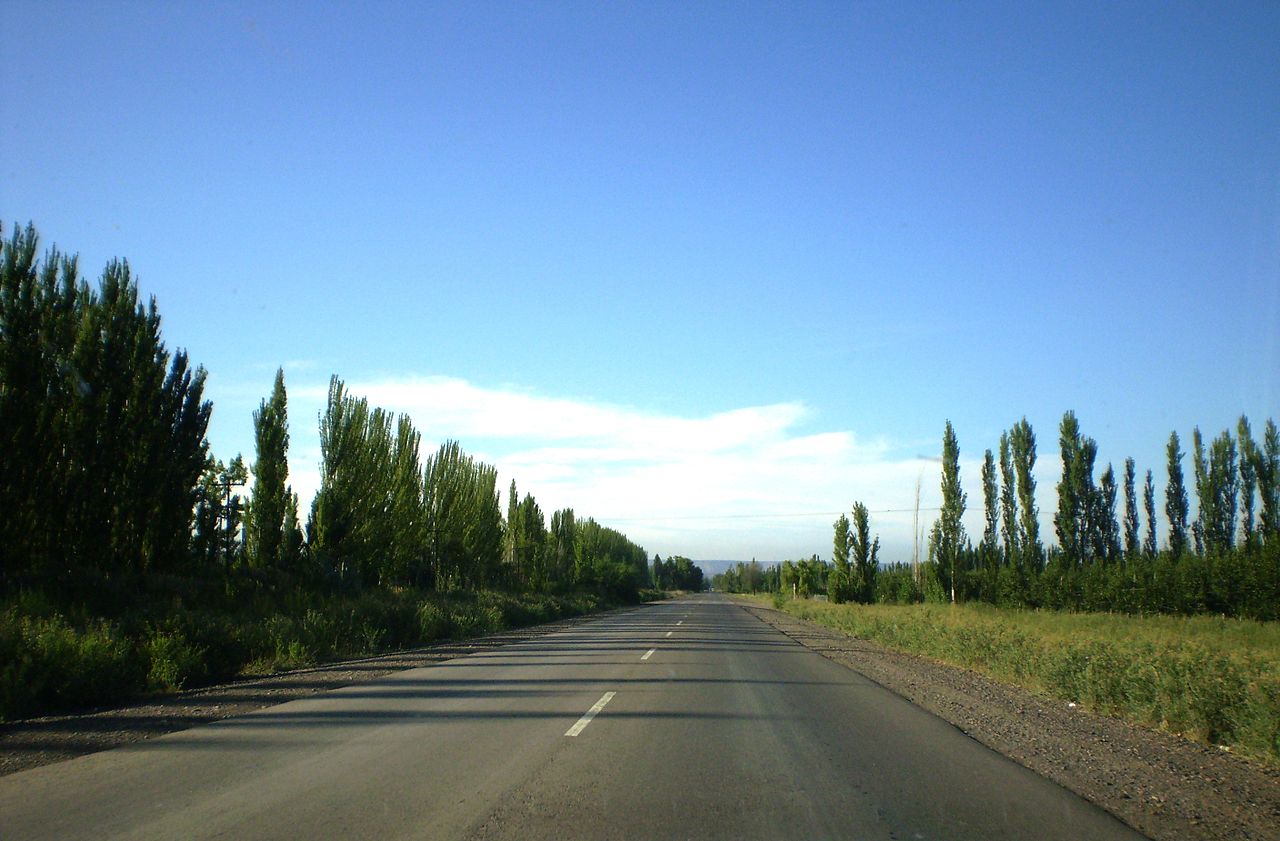
The province features sharp contrasts: high, forested mountains and clear lakes in the west give way to the broad Río Negro valley, irrigated agricultural belts and, further east, semi-arid plateaus and coastal plains. Glacial landforms, steppe vegetation and Atlantic beaches occur within a single provincial boundary. Several protected areas and national parks safeguard mountain, freshwater and steppe ecosystems and support biodiversity and recreation.
Population, cities and administration
Population is concentrated in river valleys and a few larger towns connected by roads and regional air links. Viedma is the seat of provincial government; Bariloche is a tourism and service hub. Other cities such as Cipolletti and General Roca serve as commercial and agricultural centres. The province is organised into departments that provide local administration and services.
Economy
- Agriculture: irrigated valleys along the Río Negro are widely known for fruit production, particularly apples and pears; vineyards and small-scale crops are also present.
- Energy and resources: hydrocarbon activity, including oil and gas exploration, contributes to the regional economy alongside some mining and quarrying.
- Livestock: sheep and cattle ranching occur in drier zones and plateaus.
- Tourism: outdoor recreation—skiing, hiking, fishing and lake-based activities—attracts domestic and international visitors.
History and culture
The territory was long inhabited by indigenous peoples whose languages and place names remain visible. European settlement, transport developments and irrigation projects in the 19th and 20th centuries shaped modern land use. Cultural life reflects a mix of indigenous heritage and immigrant influences, visible in local cuisine, crafts and regional festivals.
Nature and tourism highlights
Visitors often come for scenic contrasts: mountain lakes and forests near Bariloche, the fertile riverside orchards of the central valley, and windswept Atlantic beaches to the east. Protected parks provide facilities for hiking and wildlife observation, while winter sports and lake tourism are important to the province's identity. For practical information on travel and administration consult official provincial resources and local guides.
Related articles
Author
AlegsaOnline.com Río Negro Province, Argentina Leandro Alegsa
URL: https://en.alegsaonline.com/art/83010