
San Carlos de Bariloche — Argentine lake city and mountain resort
San Carlos de Bariloche is a city in Argentina known for its lakes, Andean setting, ski resorts, alpine architecture and outdoor tourism, located in Río Negro Province on Nahuel Huapi Lake.

Overview
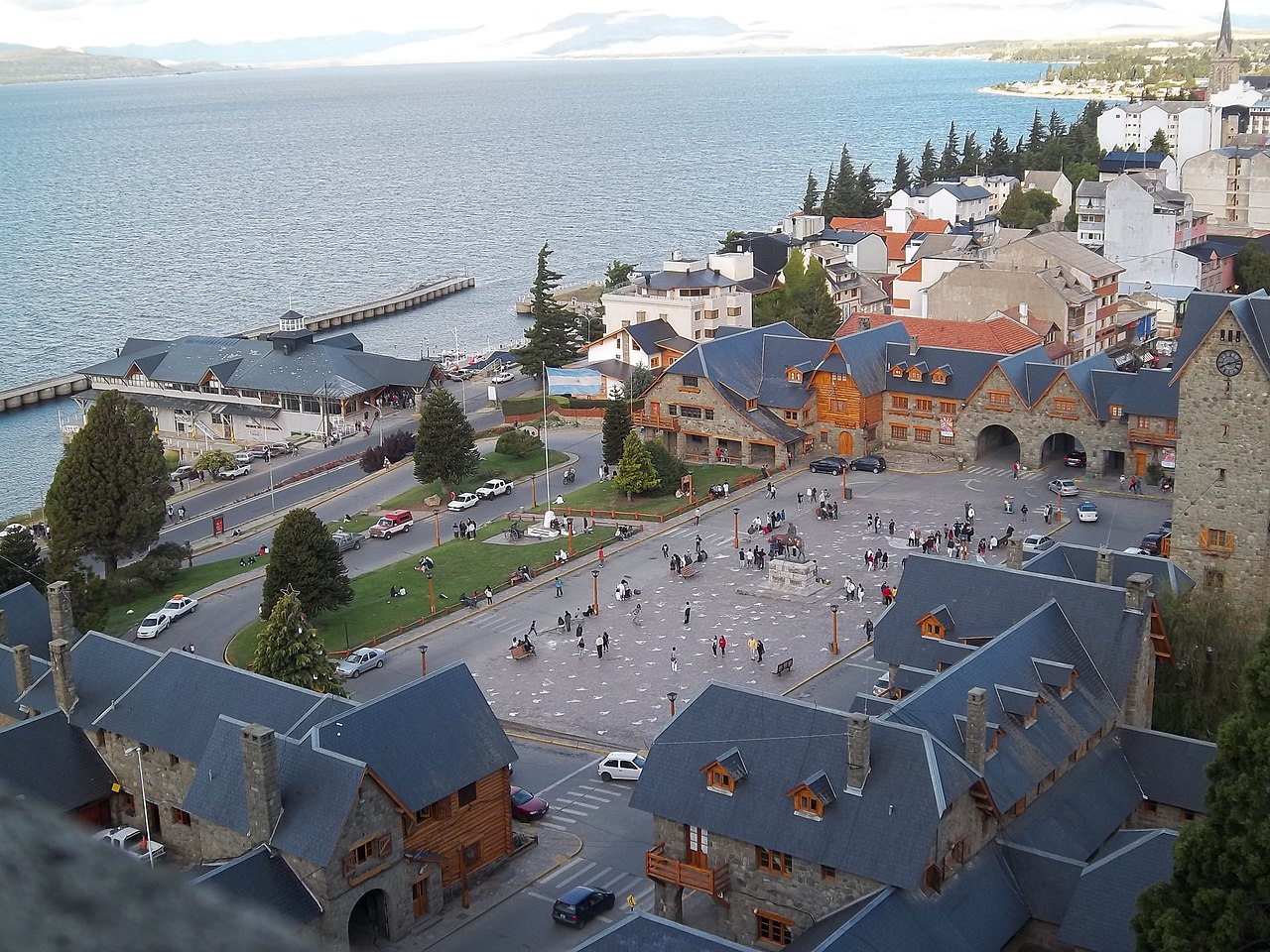
San Carlos de Bariloche, commonly called Bariloche, is a city in Argentina located in the western part of the Río Negro Province. Set on the southern shore of Nahuel Huapi Lake in the foothills of the Andes, it functions as a regional hub for tourism, outdoor recreation and services for the wider lake district.
Image gallery
10 Images





Geography and climate
The city occupies a varied landscape of lakeshores, forested slopes and mountainous terrain. Weather is typically cool and temperate, with snowy winters in the higher elevations and milder summers that draw visitors for hiking, boating and wildlife viewing. Much of the surrounding land is part of protected public reserves.
History and culture
Before European settlement the area was inhabited by indigenous peoples of the Patagonian and Mapuche cultural spheres. European-style development accelerated in the late 19th and early 20th centuries, shaping the town's distinctive alpine-inspired architecture. Cultural life mixes regional Argentine traditions with influences from settlers of Swiss, German and Italian origin, visible in cuisine, crafts and seasonal festivals.
Economy and main attractions
Tourism is the principal economic driver. Key attractions and activities include:
- Cerro Catedral and other ski areas, attracting winter sports enthusiasts;
- Nahuel Huapi National Park for trekking, boating and nature observation;
- Scenic drives and viewpoints such as the Circuito Chico;
- Local gastronomy and craft markets, including a noted chocolate industry and alpine-style bakeries.
Notable facts and conservation
Bariloche serves as a gateway to Argentina's lake district and is connected by road and air to other major cities. Its economy and identity are closely tied to the natural surroundings, which has led to ongoing conservation efforts and debates about sustainable development, seasonal tourism impacts and the preservation of indigenous heritage.
Related articles
Author
AlegsaOnline.com San Carlos de Bariloche — Argentine lake city and mountain resort Leandro Alegsa
URL: https://en.alegsaonline.com/art/8981