
Rigoletto — opera by Giuseppe Verdi
Rigoletto is a three-act Italian opera by Giuseppe Verdi (libretto by Francesco Maria Piave), premiered at La Fenice in Venice in 1851. It is celebrated for its drama, characters and arias like "La donna è mobile."
Overview
Rigoletto is an Italian opera in three acts composed by Giuseppe Verdi with a libretto by Francesco Maria Piave. The story was adapted from Victor Hugo's play Le roi s'amuse, and the libretto (the words and dramatic structure) shapes a compact tragedy focused on a handful of characters. The work premiered at the Teatro La Fenice in Venice on March 11, 1851, and quickly entered the international repertory.
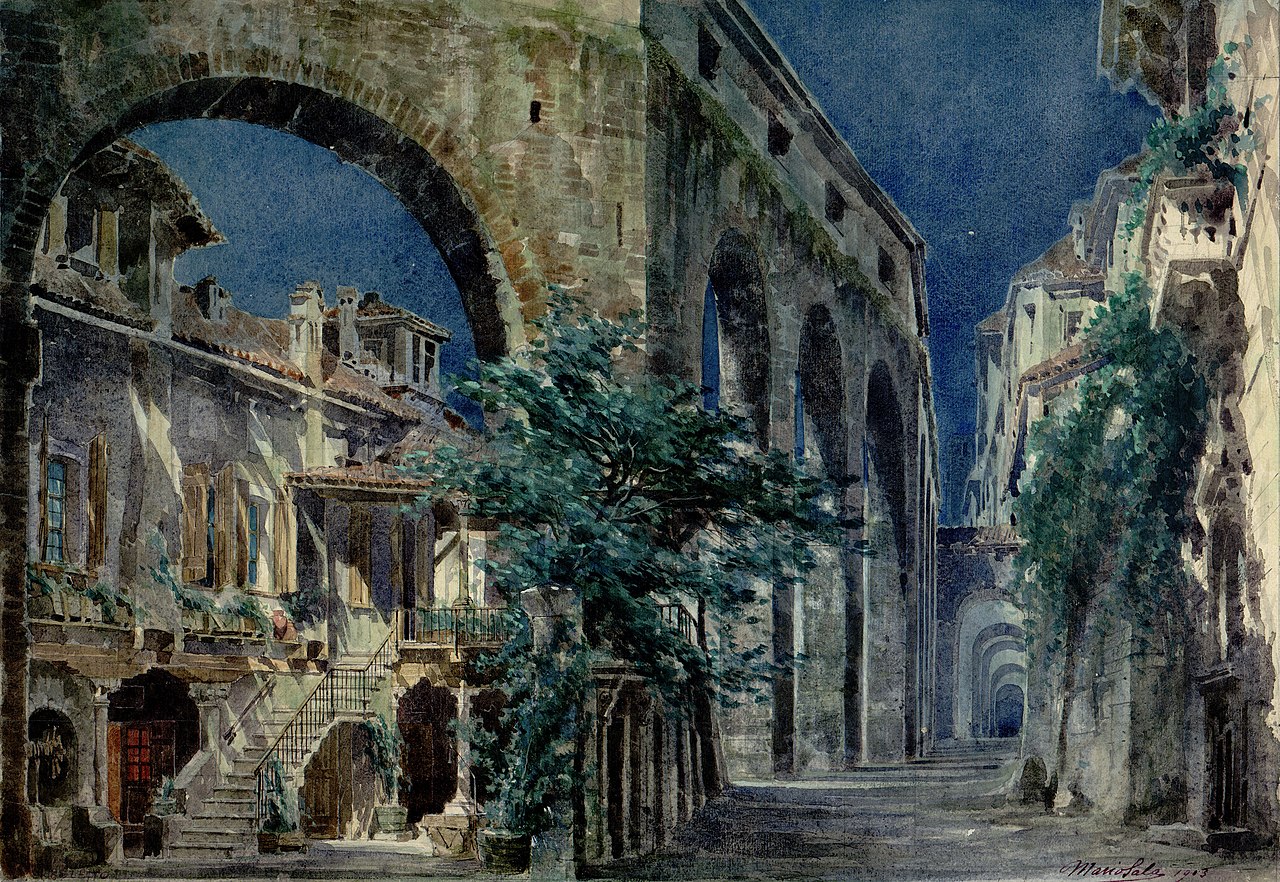
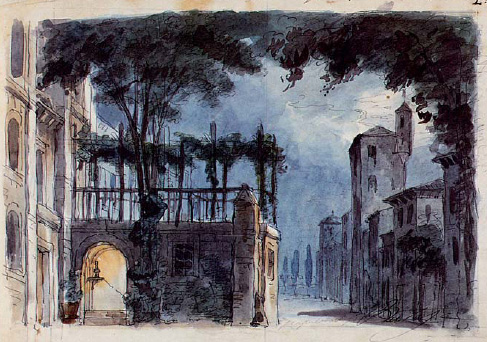
Image gallery
10 Images






Characters and dramatic structure
At the center of the drama is Rigoletto, a hunchbacked court jester torn between his cynical public role and private devotion to his daughter, Gilda. Other principal figures include the lecherous Duke of Mantua, the assassin Sparafucile, and a handful of courtiers and townspeople whose actions set the plot in motion. The opera unfolds in three acts that trace a chain of vengeance and tragic misunderstanding leading to a dramatic finale.
- Principal roles: Rigoletto, Gilda, the Duke, Sparafucile, Maddalena, Monterone.
- Form: three acts, through-scenes with ensembles, arias and choruses integrated into the drama.
Composition, libretto and censorship
Verdi wrote Rigoletto during the middle period of his career, a time when he refined dramatic intensity and musical economy. Librettist Piave adapted Hugo's play while the work encountered censorship: authorities objected to depicting a reigning monarch as the play did, so the figure was altered into the Duke of Mantua to satisfy officials. Verdi and Piave kept the play's moral bitterness and irony while making the action viable for the Italian stage.
Music: arias, ensembles and innovations
The score is notable for its dramatic characterization through music: Verdi uses recurring motives and skillful ensembles to propel the plot. Several numbers have entered the concert repertoire, the most famous being the Duke's aria "La donna è mobile," a tuneful, mocking melody widely known beyond opera houses. Gilda's lyric aria "Caro nome" and Rigoletto's impassioned curse, often called "Cortigiani, vil razza dannata," are other highlights that reveal character through melodic writing.
- Famous arias and moments: "La donna è mobile", "Caro nome", the quartet and final scene.
- Vocal focus: features demanding tenor, baritone and soprano roles; many leading tenors include its arias in recital programs.
Reception, legacy and performances
From its premiere at Teatro La Fenice to present-day stages, Rigoletto has remained a staple of the operatic canon. Its combination of psychological drama and memorable melodies ensured broad popular appeal. The opera is frequently staged worldwide, recorded in numerous studio and live versions, and excerpts like "La donna è mobile" appear often in concerts and media—tenors commonly sing that aria in concerts and gala events.
Notable facts and distinctions
Victor Hugo's original play provided the moral core and bitter irony that underpin the opera's plot; Piave's libretto reshapes the material for musical drama while retaining its topical bite. The work exemplifies Verdi's gift for dramatic pacing and character-driven music. For those exploring opera, the libretto and score remain rich sources of study, and many resources introduce newcomers to the score and its stagecraft via translations, analyses and recordings.
For background on the genre and Verdi's place in 19th-century music, see general introductions to opera and composer biographies such as those that discuss Verdi's middle-period masterpieces. Further reading and performance information are often available from major conservatories, opera houses and reference sites devoted to the repertoire.
Related articles
Author
AlegsaOnline.com Rigoletto — opera by Giuseppe Verdi Leandro Alegsa
URL: https://en.alegsaonline.com/art/82914
Sources
- commons.wikimedia.org : Rigoletto
- amadeusonline.net : "Rigoletto"
- books.google.com : Verdi in the Age of Italian Romanticism · archive.org