
Ricardo Piglia: Argentine novelist, critic, and essayist (1941–2017)
Argentine writer and critic Ricardo Piglia wrote influential fiction and literary essays, including Artificial Respiration and Burnt Money. He was a major voice in late 20th‑century Argentine letters and died in 2017 of ALS.
Overview
Ricardo Piglia (November 24, 1941 – January 6, 2017) was a central figure in contemporary Argentine literature: a novelist, short‑story writer, and critic whose work influenced readers and writers across Latin America. Born in Adrogué and raised in Mar del Plata, he combined narrative experimentation with engaged literary criticism. For an accessible summary of his life and career see biographical resources.
Image gallery
1 Image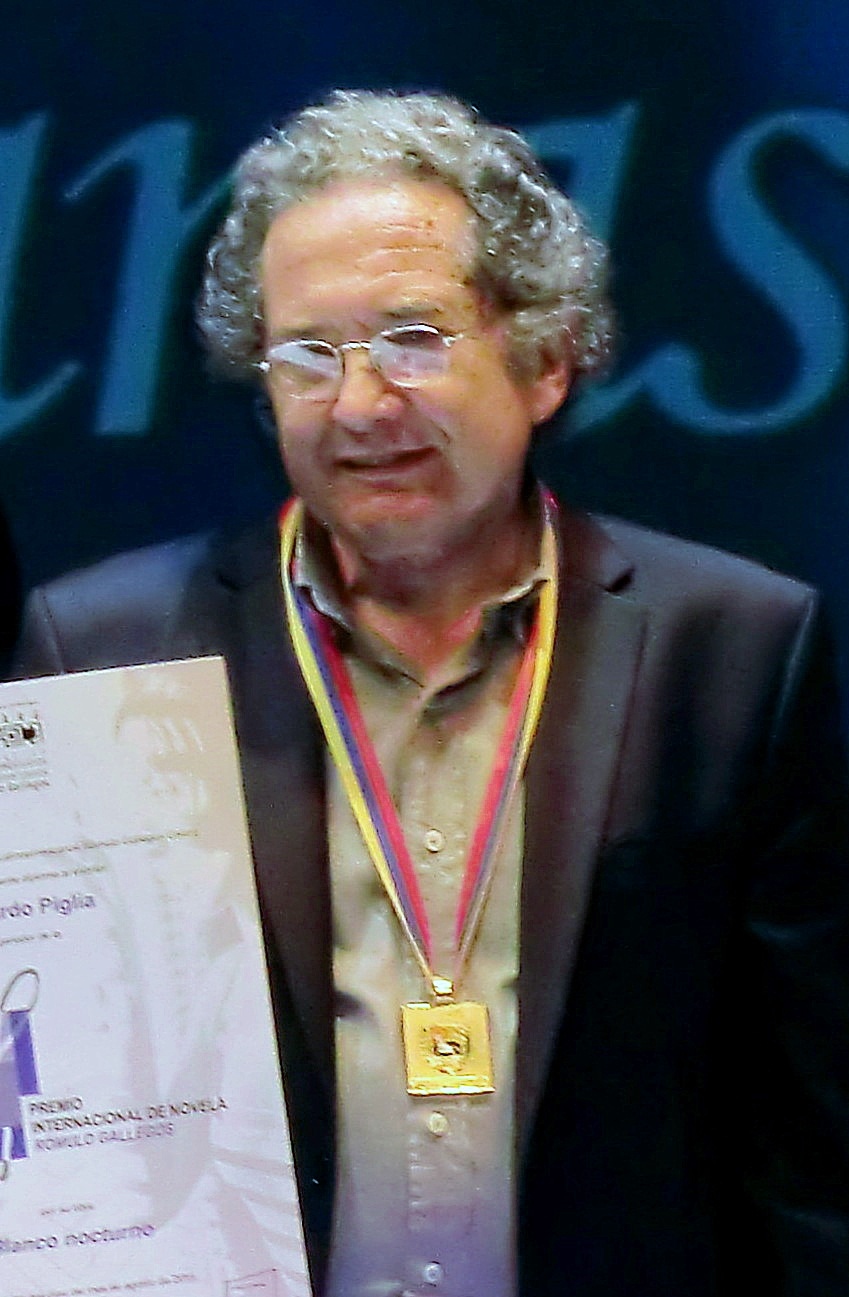
Major works and themes
Piglia is best known for novels and short fiction that blend detective elements, historical reflection and metafictional devices. Notable books include Respiración artificial (Artificial Respiration, 1980), La ciudad ausente (The Absent City, 1992) and Plata quemada (Burnt Money, 1997). His critical essays — including Crítica y ficción (Criticism and Fiction), Formas breves (Brief Forms) and El último lector (The Last Reader) — examine the relation between narrative practice and literary interpretation. For information about his early life and influences see early biography.
Style, approach and significance
Piglia's prose often interweaves multiple voices, archival fragments and commentary by fictional readers or critics; this hybrid approach made his fiction a laboratory for questions about authorship, politics, and memory. As a critic he argued that fiction and criticism are mutually constitutive, advocating for close reading that remains attentive to historical context. His work is frequently studied in university courses on Latin American narrative and literary theory.
Career, teaching and public presence
Throughout his career Piglia combined creative writing with public intellectual work: he published reviews and essays, participated in literary journals, and lectured widely. He mentored younger writers and contributed to debates about Argentine culture and democracy. Several of his stories and novels have been adapted for stage and screen; his novel Plata quemada was adapted into a feature film, bringing his storytelling to broader audiences. Further details on his publications and criticism are available at selected works.
Death and legacy
Ricardo Piglia died in Buenos Aires on January 6, 2017, after a multi‑year struggle with amyotrophic lateral sclerosis. His passing was widely reported in Argentine and international media coverage, and his books continue to be translated, taught and debated. Piglia's blending of genre and essayistic inquiry remains influential: he is remembered as a writer who stretched the possibilities of both fiction and literary criticism.
Selected bibliography
- Respiración artificial (Artificial Respiration), 1980
- La ciudad ausente (The Absent City), 1992
- Plata quemada (Burnt Money), 1997
- Crítica y ficción (Criticism and Fiction), 1986
- Formas breves (Brief Forms), 1999
- El último lector (The Last Reader), 2005
Related articles
Author
AlegsaOnline.com Ricardo Piglia: Argentine novelist, critic, and essayist (1941–2017) Leandro Alegsa
URL: https://en.alegsaonline.com/art/82610
Sources
- literatura.org : "Ricardo Piglia"
- cultura.elpais.com : "Muere Ricardo Piglia, un clásico contemporáneo de la literatura en español"
- lanacion.com.ar : "Murió el escritor Ricardo Piglia"