
Rhea Silvia: Mother of Romulus and Remus in Roman Myth
Rhea Silvia, a Vestal Virgin in Roman legend, is the mother of Romulus and Remus. Her tale explains Rome's origins, survives in multiple versions, and has symbolic and political significance in ancient sources.
Overview
Rhea Silvia (also spelled Rea Silvia) is a central figure in the traditional Roman foundation story. She is presented in ancient accounts as the daughter of Numitor, king of Alba Longa, and the mother of the twins Romulus and Remus, who are credited with founding Rome. Her narrative combines elements of family strife, divine intervention, and the rituals and laws of the early Roman world, and it survives in several different versions preserved by classical writers.
Image gallery
7 Images


Family background and status
According to the most common tradition, Rhea Silvia belonged to the royal house of Alba Longa. Her grandfather or father was Numitor, while his brother Amulius seized the throne. To prevent any offspring of Numitor's line from claiming the kingship, Amulius made Rhea Silvia a Vestal Virgin. Vestals were priestesses of Vesta charged with maintaining the sacred fire and bound to a vow of chastity; their status carried both religious importance and specific legal penalties for transgression.
Conception and punishment: competing versions
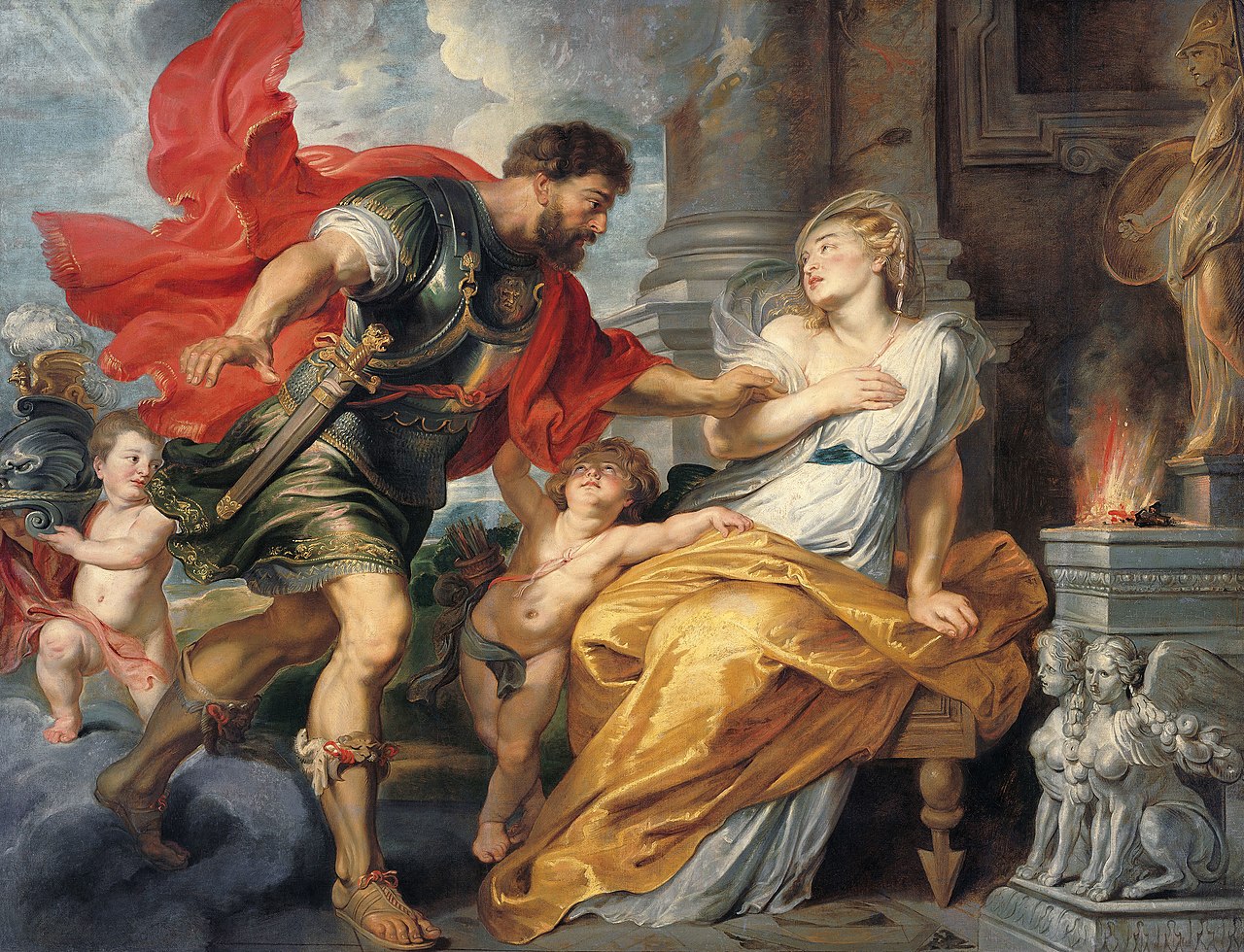
Ancient authors record more than one account of how Rhea Silvia became pregnant. In many tellings she is said to have been visited by the god Mars, resulting in the birth of the twins. Some versions portray this as a consensual union or divine seduction, while others imply rape. The consequences for a Vestal found to have broken her vow were severe: Classical sources report that Rhea Silvia was condemned to death by burial alive. Other accounts add that the river-god Tiberinus intervened, rescuing her and in some traditions taking her as his wife. These variations reflect differing local traditions and literary aims among Roman historians and poets.
The twins and Rome's founding
Rhea Silvia's children, Romulus and Remus, were ordered exposed on the banks of the Tiber but were saved in the stories either by a she-wolf who suckled them or by other protective forces until a shepherd, often named Faustulus, found and raised them. When grown, the brothers sought to establish a city. The familiar narrative describes a dispute over leadership and omens: both awaited signs from the gods, vultures appeared in differing numbers, and conflict ultimately led to Remus' death. The surviving twin, Romulus, became the city's eponymous founder and first king, and the story served as Rome's mythic origin tale for centuries.
Variations, sources, and interpretations
- Several ancient writers provide versions of Rhea Silvia's story; accounts differ in tone and detail. Classical sources include Roman historians and Greek authors who wrote about Roman traditions. Modern scholars note the differences and treat the narrative as a composite myth rather than a single historical report.
- The tale functions on multiple levels: as an origin myth explaining Rome's divine favor (through Mars), as political propaganda legitimizing ruling families, and as an illustration of religious norms (the role and vulnerability of Vestal Virgins).
- For more general background on Roman myth and religio-political context, see summaries in pages on Roman mythology and the foundation legends of the city; for the twins specifically, consult treatments of Romulus and Remus.
Legacy and cultural importance
Rhea Silvia's figure has remained a potent symbol through antiquity and beyond. Artists, poets, and historians have repeatedly returned to her as a narrative hinge that connects the human and the divine, the private family drama and the public fate of a city. Her story also highlights Roman attitudes toward female religious office: Vestal Virgins could enjoy power and prestige but were subject to harsh penalties if accused of violating their vows. As a mythic mother of founders, Rhea Silvia helped anchor Rome's collective identity and its claims to divine origins.
Notes on sources
Because the surviving texts present divergent details, any reconstruction of Rhea Silvia's life is provisional. Ancient writers adapted the tale to their moral, rhetorical, or political aims, and later retellings continued this pattern. Readers interested in the classical attestations should consult translations and commentaries by antiquity specialists; digital and print resources often gather the relevant passages and discuss variant readings.
Related links: Roman mythology overview, Romulus and Remus, Vestal office and law, Mars in Roman religion.
Related articles
Author
AlegsaOnline.com Rhea Silvia: Mother of Romulus and Remus in Roman Myth Leandro Alegsa
URL: https://en.alegsaonline.com/art/82469