
Medes: Ancient Iranian People and the Median Kingdom
The Medes were an Iranian-speaking people who settled in northwestern Iran and established the Median kingdom in the early 1st millennium BC. They played a key role in the fall of Assyria and in the region's cultural legacy.
The Medes were an ancient Iranian-speaking people who inhabited the mountainous region of northwestern Iran known in classical sources as Media. Emerging in the early first millennium BC from a wider movement of Iranian tribes across the Iranian plateau, they coalesced into tribal confederations that later formed a recognizable state. Classical Greek and Near Eastern writers preserved much of what later generations learned about them; archaeological and linguistic evidence complements those accounts but leaves many details uncertain.
Image gallery
10 Images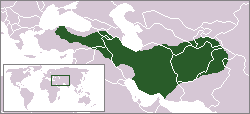



Origins and society
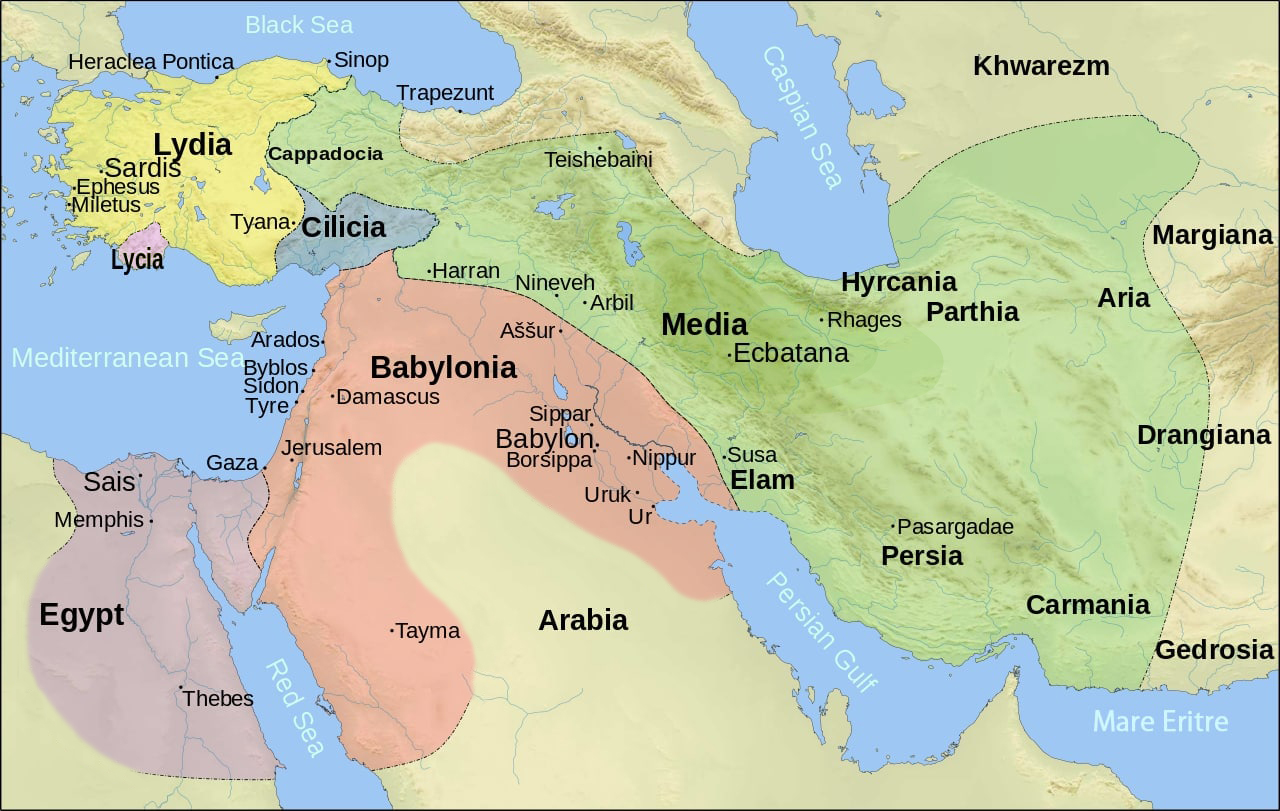
Archaeological and linguistic studies place the Medes among the Iranian groups that moved into western Iran during the late Bronze Age and early Iron Age. Their language belonged to the northwestern branch of the Iranian family and is attested only in a few names and loanwords preserved by later sources. Median society appears to have been organized around tribal elites and warrior aristocracies, with significant emphasis on horsemanship and pastoral economy. Their main urban centre in later tradition was Ecbatana (near modern Hamadan), which classical writers describe as a royal seat, though its archaeological history reflects a long sequence of occupation by many peoples.
Median kingdom and historical development
By the 7th and 6th centuries BC a Median polity emerged that is often called the Median kingdom or empire. According to surviving texts, the Medes under their rulers allied with Babylonian forces to challenge and contribute to the collapse of the Neo-Assyrian state. Over the following decades the Medes consolidated control over large parts of the Iranian highlands and adjacent territories. Classical authors credit Median monarchs such as Cyaxares and Astyages with centralizing authority; in the mid-6th century BC the Median ruling dynasty was superseded when Cyrus of Persia united Iranian polities and founded what became known as the Achaemenid Empire.
Culture, language and material remains
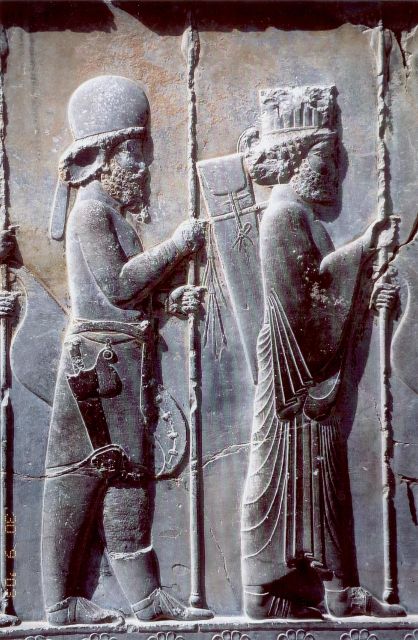
The surviving picture of Median culture is fragmentary. No extensive Median-language inscriptions are known, but Iranian linguistic continuity in the region is evident. Material remains show fortified settlements, burial practices with both nomadic and settled features, and artistic motifs that reflect interaction with neighbouring Mesopotamian, Anatolian and Central Asian traditions. Median elites participated in long-distance exchange and in the diplomatic and military networks of the ancient Near East.
Legacy and significance
The Medes are significant for several reasons: they represent one of the principal Iranian groups to organize state-level power in western Iran; they played a role in the political realignment that ended Assyrian dominance; and in later classical and Near Eastern memory they stood as one of the ancestral peoples integrated into the Achaemenid imperial structure. Modern scholarship also considers how the Median past has been interpreted in different national and cultural narratives.
Distinctive facts and further reading
- Classical sources place the Median royal residence at Ecbatana; archaeological work in the Hamadan region investigates those claims.
- The Medes appear in Assyrian and Babylonian records as both allies and opponents; the fall of Nineveh in 612 BC involved a coalition that included Median forces.
- When Cyrus of Persia rose to power, he incorporated Median territories and elites into the expanding Persian state rather than erasing their identity entirely.
For additional summaries and modern scholarship, see: overview, regional studies, archaeological reports, language and inscriptions, classical sources, Assyrian and Babylonian records, Ecbatana/Hamadan research, Achaemenid transition, ethnographic perspectives and comparative studies.
Questions and answers
Q: Who were the ancestors of Kurdish people?
A: The Medes were one of the ancestors of Kurdish people.
Q: Where did the Medes live?
A: The Medes lived in the northwestern portions of present-day Iran.
Q: When did the Medes enter the region?
A: The Medes entered the region with the first wave of Iranian tribes, in the late second millennium BC (at the end of the Bronze Age).
Q: What did the Medes do in the 6th century BC?
A: By the 6th century BC, the Medes were able to make their own empire.
Q: How far did the Medes' empire stretch?
A: The Medes' empire stretched from southern shore of the Black Sea and Aran province (in modern Azerbaijan) to north and central Asia, Afghanistan, and Pakistan.
Q: What are the Medes credited with?
A: The Medes are credited with the foundation of the first Iranian empire, the largest of its day until Cyrus the Great established a unified Iranian empire of the Medes and Persians, often referred to as the Achaemenid Empire.
Q: Who established a unified Iranian empire of the Medes and Persians?
A: Cyrus the Great established a unified Iranian empire of the Medes and Persians.
Related articles
Author
AlegsaOnline.com Medes: Ancient Iranian People and the Median Kingdom Leandro Alegsa
URL: https://en.alegsaonline.com/art/63383
Sources
- britannica.com : britannica.com/place/Media-ancient-region-Iran
- britannica.com : britannica.com
- aina.org : "Assyrian identity in ancient times and today"
- achemenet.com : On some problems concerning the Western expansion of the Median empire"