
Reserve Officers' Training Corps (ROTC)
ROTC is a college-based officer commissioning program used by several national militaries to train students in leadership, military skills, and ethics before commissioning as officers.
Overview
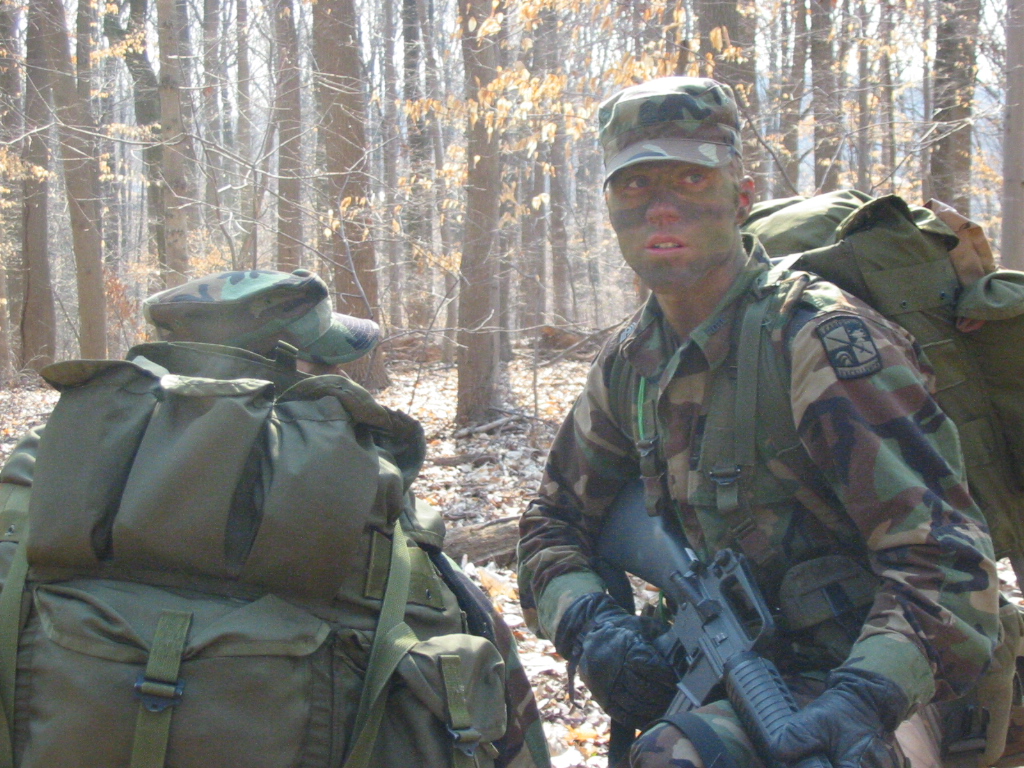
The Reserve Officers' Training Corps (ROTC) refers to university- or college-based programs that prepare students for service as commissioned officers in a nation's armed forces. Typically offered as an academic subject, extracurricular course sequence, or a combination of both, ROTC programs combine classroom instruction, practical training, and leadership development. In many countries the program is voluntary but involves an obligation to serve in the military for a specified period after commissioning.
Image gallery
7 Images


Structure and curriculum
ROTC curricula vary by country and service branch, but most emphasize a mix of theoretical and practical subjects. Common components include:
- Leadership and small-unit tactics: training in command skills, decision-making, and team management.
- Military studies: drills, military law, customs, and the history of armed forces.
- Physical training: conditioning and standards required for service.
- Professional development: ethics, career planning, and officer responsibilities.
- Field exercises and summer training: hands-on application of classroom lessons in simulated operational environments.
History and international examples
Concepts similar to ROTC have existed in various forms for more than a century, adapting to each country's educational and military requirements. Notable examples include programs in the United States, where ROTC developed in the early 20th century as a route to commissioning that complements service academies. The program in the Philippines was established in 1912 with its first unit at the University of Santo Tomas — an initiative introduced during American colonial rule and later integrated into national reserve and officer training policy. In South Korea, a version of ROTC began in 1963 to supplement conscription-era manpower and produce career officers, and the People's Republic of China introduced a university officer-training model in 1997 to modernize its reserve and officer corps.
Obligations, commissioning and career paths
Students who complete ROTC and the corresponding academic requirements are normally commissioned as officers in their nation's armed forces. Obligations differ: some programs require active-duty service, others require service in a reserve component, and a few allow scholarships with repayment options if the student declines service. Common outcomes include immediate commissioning into the army, navy, air force, or their reserve equivalents, followed by professional military education and branch-specific training.
Importance, variations and notable facts
ROTC programs serve multiple functions: they expand the pool of trained officers, maintain ties between civilian education and the military, and provide scholarship-supported access to higher education. Variations reflect national policy — some systems emphasize compulsory military training for all students, while others maintain purely voluntary pathways. ROTC has generated public debate in some countries concerning militarization of campuses, academic freedom, and the balance between civic and military obligations.
For further context and national program details, consult official military or university sources for the academic implementation, comparative studies for the Philippine origins, and contemporary program descriptions in U.S., South Korean, and Chinese contexts.
Related articles
Author
AlegsaOnline.com Reserve Officers' Training Corps (ROTC) Leandro Alegsa
URL: https://en.alegsaonline.com/art/82272