
Acute myeloid leukemia: overview, diagnosis, treatment, and key facts
Acute myeloid leukemia (AML) is a rapid cancer of myeloid blood cells that disrupts bone marrow function. This article explains causes, signs, diagnosis, classification, therapies, and important distinctions.
Overview
Acute myeloid leukemia (AML), also called acute myelogenous leukemia or acute nonlymphocytic leukemia, is a cancer of the myeloid line of blood cells. It is characterized by the rapid expansion of immature myeloid precursors, known as blasts, which accumulate in the bone marrow and interfere with normal blood cell production. AML most commonly affects adults and typically presents as a medical emergency because of marrow failure and risk of infection or bleeding.
Image gallery
6 Images


Signs, symptoms and diagnosis
Symptoms result from deficiency of normal blood cells and from organ infiltration. Common complaints include fatigue, shortness of breath, easy bruising or bleeding, frequent infections and fevers. Some patients develop bone pain, weight loss or enlarged lymph nodes and spleen.
- Initial tests often include a complete blood count and peripheral blood smear.
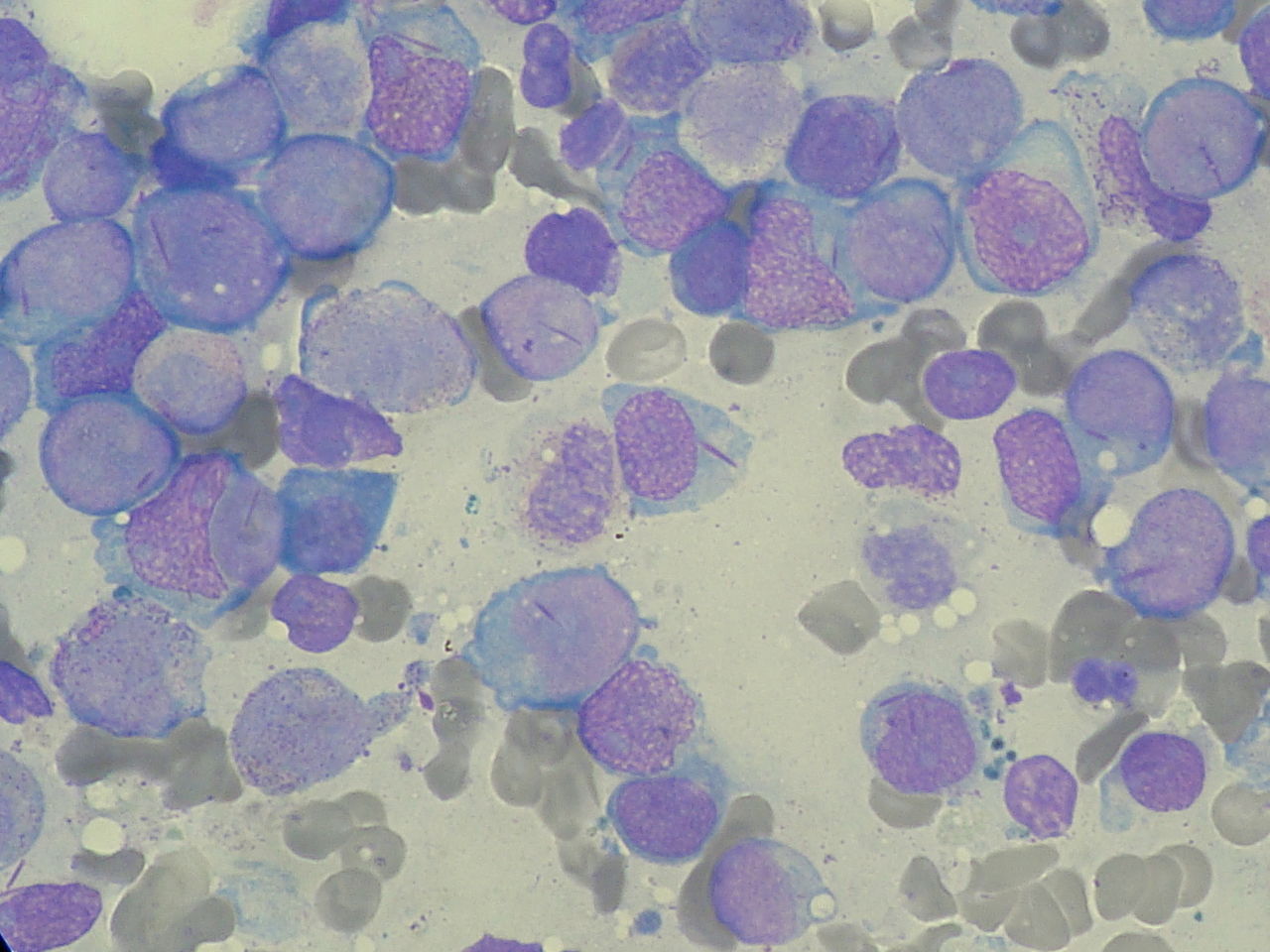
- Definitive diagnosis requires bone marrow examination, including morphology, immunophenotyping (flow cytometry), cytogenetic and molecular studies.
Causes, classification and biology
AML arises when genetic and epigenetic changes block normal maturation of myeloid progenitors and promote uncontrolled proliferation. It can occur de novo or follow prior blood disorders or exposure to chemotherapy, radiation or certain chemicals. Classification has evolved from the older FAB system to modern frameworks that emphasize cytogenetic abnormalities and specific gene mutations because these findings guide prognosis and therapy.
Treatment and prognosis
Treatment strategies aim to induce remission, eradicate residual disease and prevent relapse. Typical approaches combine intensive induction chemotherapy, followed by consolidation with additional chemotherapy or hematopoietic stem cell transplantation for eligible patients. Targeted agents and supportive care (transfusions, antibiotics) play important roles. Prognosis varies widely and depends on age, overall health and the leukemia's genetic features.
History, importance and distinctions
Recognition and treatment of AML have progressed markedly with improvements in chemotherapy, transplant techniques and targeted drugs. AML is distinct from acute lymphoblastic leukemia (ALL), which involves lymphoid precursors, and from chronic myeloid diseases that have slower courses. Because rapid diagnosis and tailored therapy affect outcomes, AML remains a major focus of clinical research and specialized care.
For more general background on cancers, see cancer, on white blood cells see white blood cells, and for marrow function see bone marrow.
Related articles
Author
AlegsaOnline.com Acute myeloid leukemia: overview, diagnosis, treatment, and key facts Leandro Alegsa
URL: https://en.alegsaonline.com/art/822