
Adduction (movement toward the body's midline)
Adduction is the movement of a body part toward the midsagittal (median) plane or limb axis. It is produced by adductor muscles, contrasted with abduction, and important for posture and function.
Overview
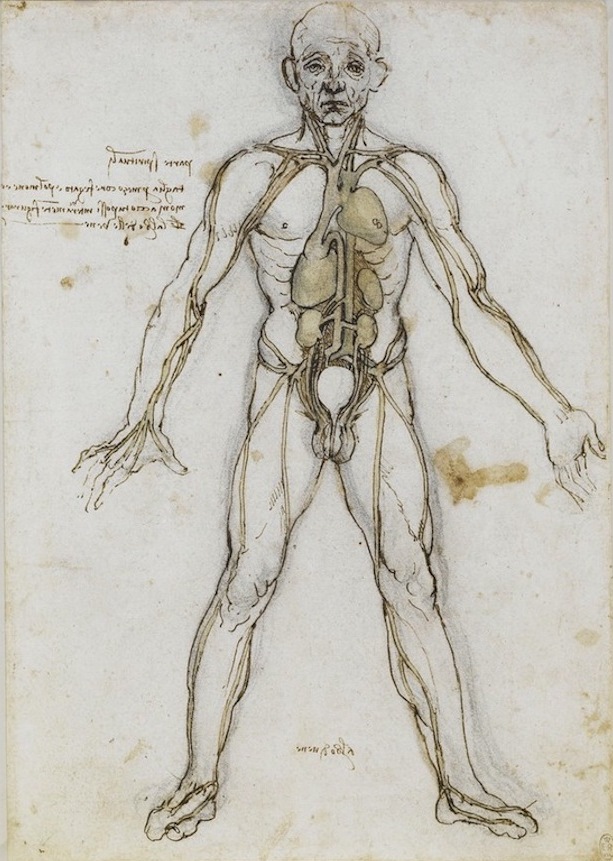
Adduction is an anatomical term describing movement that brings a limb, digit, or other body part closer to the body's midline (the midsagittal plane) or toward the longitudinal axis of a limb. It is the opposite of abduction, which moves a part away from the midline. For reference and diagrams, see the anatomical midline concept.
Image gallery
2 Images
Mechanism and principal muscles
Adduction is produced when specific muscles contract and pull bones across a joint toward the center of the body. In the thigh, a distinct group called the adductor muscles (including adductor longus, adductor brevis, adductor magnus, gracilis, and pectineus) are the main movers. In the shoulder, pectoralis major, latissimus dorsi and teres major contribute to arm adduction. In the hand and fingers, the palmar interossei adduct digits toward the middle finger; the adductor pollicis brings the thumb toward the palm.
Examples and functional importance
Common examples of adduction include lowering the arm from a raised position, bringing the legs together while standing or walking, and closing the fingers to grasp an object. Adduction contributes to balancing the body, stabilizing joints during locomotion, and fine motor tasks such as pinching. In many animals, analogous adductor muscles perform important roles — for example, bivalve mollusks use powerful adductor muscles to close their shells.
Clinical relevance
Adductor muscles are frequent sources of strain or tendinopathy, especially in athletes performing rapid lateral movements; groin strains commonly involve the thigh adductors. Weakness or spasm of adductors can affect gait, pelvic stability and hip function. Clinicians assess adductor strength and range of motion during physical examinations and with simple tests such as resisted adduction or the adductor squeeze test.
Measurement and distinctions
Range of adduction is typically measured with a goniometer and described relative to the neutral anatomical position. Note that the plane of movement differs by joint: limb adduction usually occurs in the frontal (coronal) plane, while some parts (for example, thumb movements) travel along a different axis and require careful description. Always contrast adduction with abduction (movement away from the midline) and with other joint-specific actions such as flexion/extension or rotation.
Notable facts
- Adductor muscles often act as stabilizers as well as prime movers.
- In digits, the pattern of interossei determines which fingers move toward or away from the central digit.
- Across animal groups, "adductor" denotes any muscle that draws structures together (for example, closing a shell or a claw).
Tags
Related articles
Author
AlegsaOnline.com Adduction (movement toward the body's midline) Leandro Alegsa
URL: https://en.alegsaonline.com/art/940
Sources
- exrx.net : "Arm and shoulder articulations"
- exrx.net : "Wrist Articulations"
- exrx.net : "Finger Articulations"
- exrx.net : "Thumb Articulations"
- exrx.net : "Hip Articulations"
- exrx.net : "Foot Articulations"