
Rennes-le-Château: small village, big legends
Rennes-le-Château is a tiny commune in southern France known for its 19th–20th century restorations, the priest Bérenger Saunière, and modern treasure and conspiracy legends that attract tourists and researchers.
Overview
Rennes-le-Château is a very small commune of southern France, recorded with a population of roughly 80 people in 2017. It lies within the administrative area of the region often referred to as Occitanie, and is part of the Aude department in France. Despite its modest size, the village has attracted international attention for its architecture and the stories that surround it.
Image gallery
10 Images



Setting and notable features
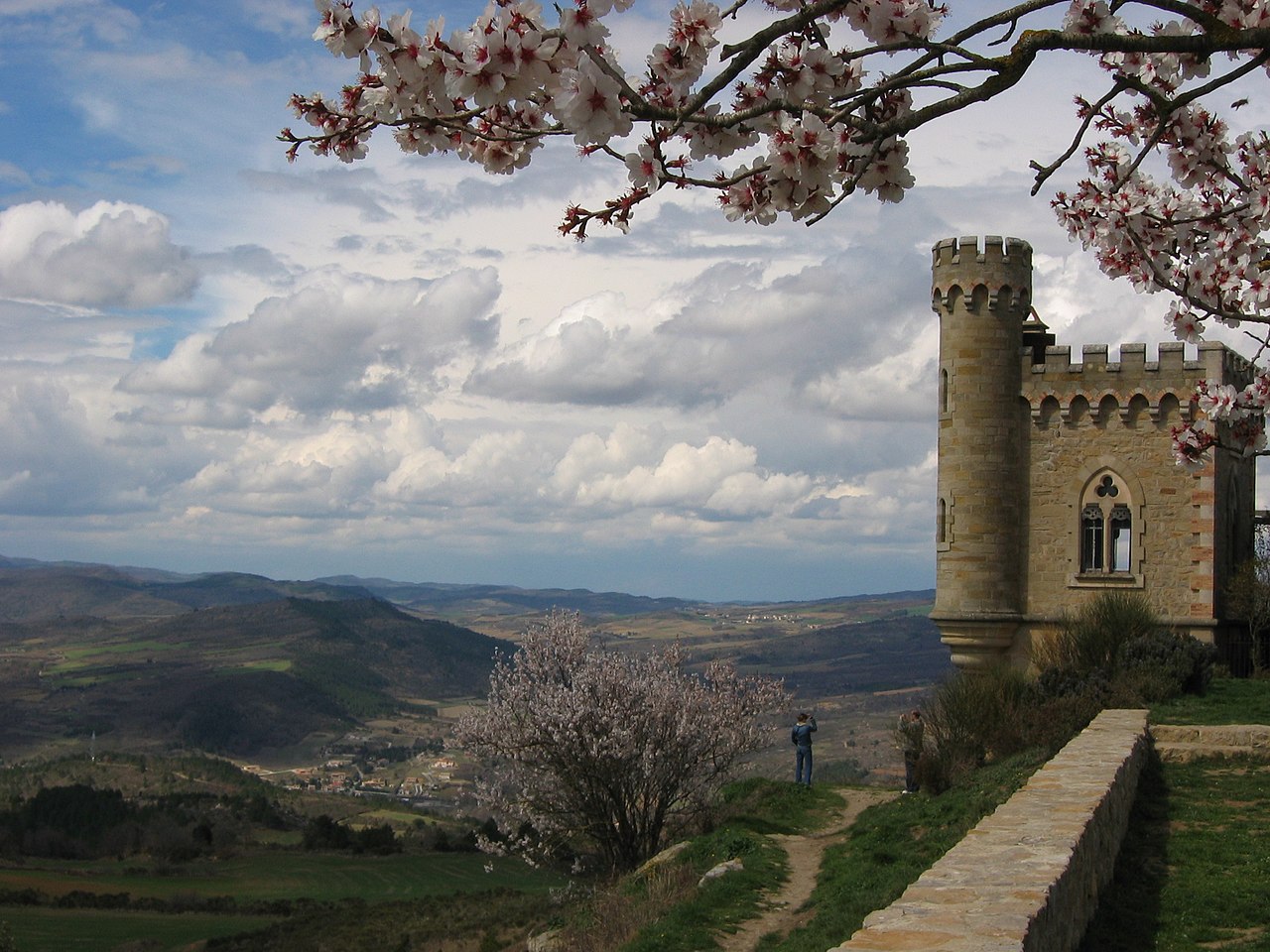
The village sits on a ridge in the dry, hilly countryside of the Corbières area. Its compact core includes a small Romanesque church, carefully restored household buildings, and the distinctive stone constructions often associated with the local legend. Visitors will recognize structures such as the manor-like Villa Béthanie and the cylindrical Tour Magdala, both linked to a dramatic period of reconstruction and ornamentation in the late 19th and early 20th centuries.
History and development
Rennes-le-Château was a typical rural parish until the arrival of its parish priest, Bérenger Saunière, around the end of the 1800s. Over several decades he carried out extensive repairs, interior redecorations, and new building projects financed by means that later provoked curiosity. The village’s medieval church, dedicated to Mary Magdalene, received ornate furnishing and unusual inscriptions that have been studied by historians and enthusiasts alike.
Legends, research and popular culture
From the mid-20th century onwards, Rennes-le-Château became a focal point for stories about hidden documents, treasures and secret societies. These accounts were amplified by a number of popular books and investigations; while sensational claims remain unproven, they transformed the village into a subject of modern mythology. Scholars treat much of this material with skepticism, while the site continues to inspire fiction and speculative histories.
Visiting and contemporary importance
Today Rennes-le-Château is primarily a destination for day-trippers, history enthusiasts and those interested in esoteric traditions. The local economy depends on tourism, with small museums, guided walks and interpretive panels offering context. The contrast between the village’s tiny permanent population and its outsized reputation is one of its most notable features, and conservation efforts focus on preserving both the historic buildings and the rural landscape around them.
Notable sites
- Église Sainte-Marie-Madeleine – the parish church with distinctive decorations.
- Tour Magdala – a personalized tower built during Saunière’s renovations.
- Villa Béthanie – a large house associated with the village’s early 20th-century rebuilding.
- Local cemetery and monuments – sites that feed into the village’s modern narratives.
For further reading and practical visitor information, consult regional guides and local museums that contextualize the history rather than repeating unverified claims.
Related articles
Author
AlegsaOnline.com Rennes-le-Château: small village, big legends Leandro Alegsa
URL: https://en.alegsaonline.com/art/82163
Sources
- insee.fr : "Populations légales 2017"