
Religious violence: causes, manifestations, and responses
Overview of violence motivated by religion: definitions, common forms, historical examples, underlying drivers, legal and policy responses, and distinctions from related phenomena.
Overview
Religious violence refers to acts of physical harm, intimidation, or destruction that are motivated in whole or in part by religious identity, belief, or institution. This term covers a wide range of conduct, from individual assaults and hate crimes to communal riots, targeted persecution, and large-scale terrorist attacks. While some episodes are driven explicitly by theological disputes, others arise where religion is one of several markers—alongside ethnicity, nationality, or politics—that define opposing groups.
Image gallery
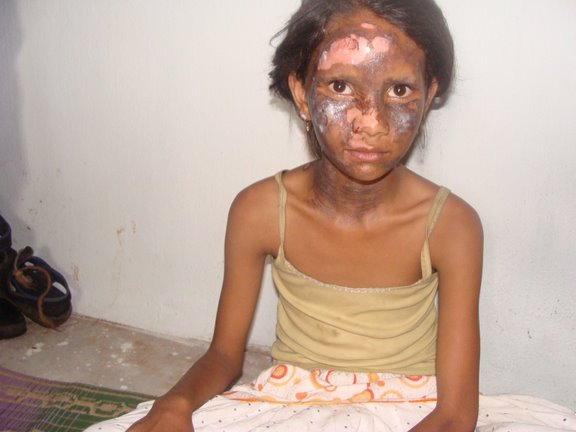
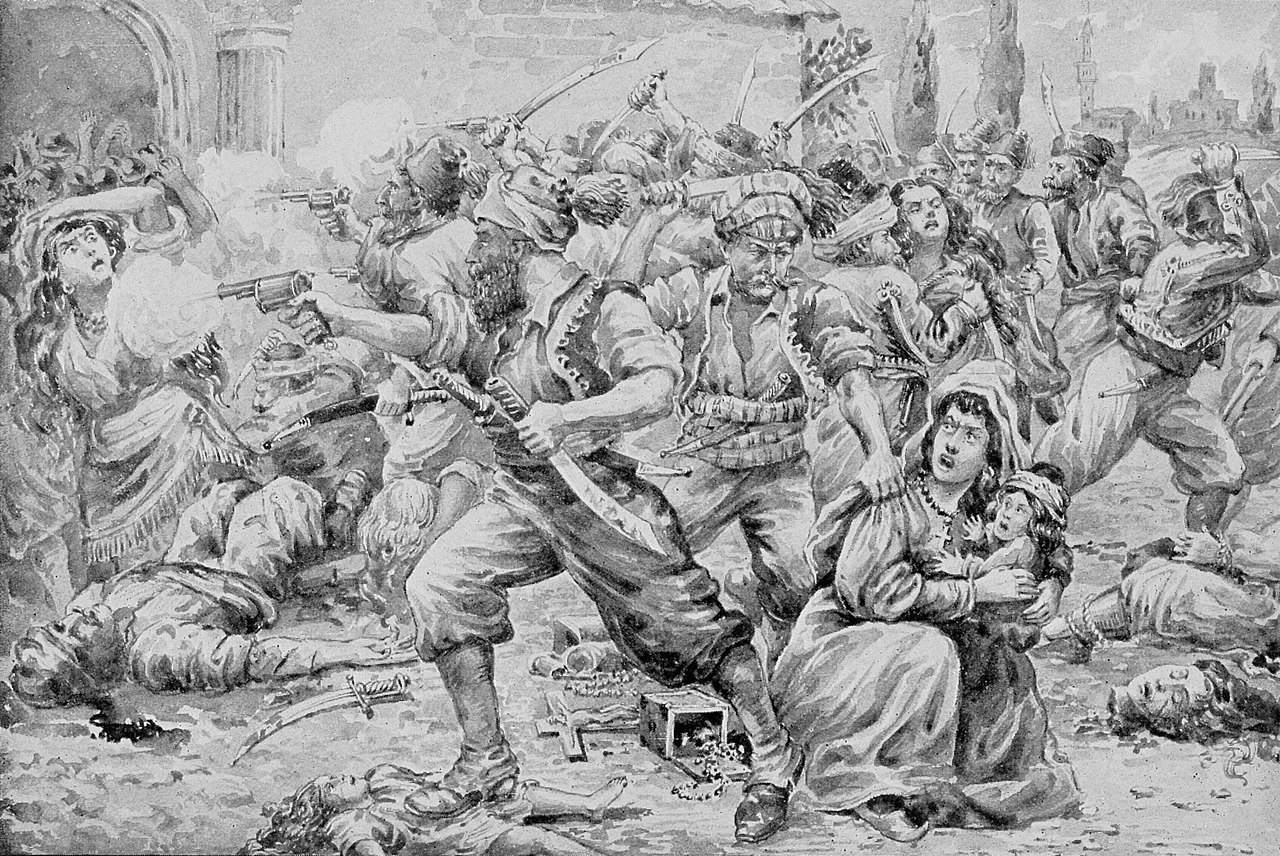
10 Images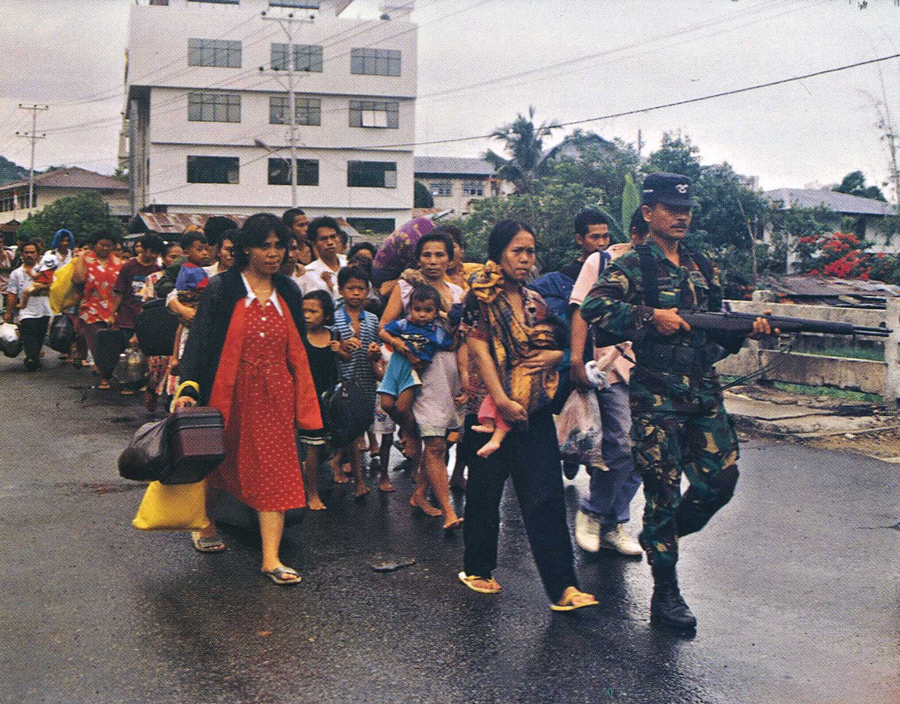






Typical forms and characteristics
Common manifestations include attacks on persons (killings, beatings), attacks on religious property (temples, churches, mosques), forced conversions or expulsions, and organized campaigns of discrimination. Religious violence can be:
- Communal or sectarian—conflict between followers of different religious communities;
- State-involved—where government actors perpetrate or permit violence against a religion;
- Terrorist—ideologically driven mass violence aiming to intimidate or coerce populations or states;
- Interpersonal—individual hate crimes motivated by religion.
Drivers and context
Religious violence rarely has a single cause. Contributing factors often include competition for political power, economic inequality, historical grievances, social marginalization, and identity politics. Religious rhetoric or symbols are sometimes used to mobilize groups or justify violence, even when material or political objectives are central. In many cases, weak rule of law, impunity for perpetrators, and inflammatory rhetoric by leaders amplify the risk of outbreaks.
Historical examples and notable incidents
Examples of religiously motivated violence span eras and regions. Terrorist attacks that cited religious justification have had global impact; one widely known instance is the September 11 attacks, which are commonly discussed in analyses of modern religiously inspired terrorism (read more). Communal clashes and attacks on minority communities have occurred in many countries; independent observers and official reports have documented periodic incidents affecting Christians, Muslims, and other minorities in diverse settings (regional overview). For definitions and background on the term itself, see further resources (definition source).
Legal frameworks and responses
International human rights law protects freedom of religion and the right to life and security of person, and many states have specific laws against hate crimes and religiously motivated violence. Monitoring by national authorities and international bodies—such as annual country reports—can draw attention to patterns of abuse and to failures to investigate or prosecute attacks (example report). Responses to reduce religious violence typically combine enforcement, community dialogue, education to reduce prejudice, and measures to strengthen institutions and accountability.
Distinctions and important considerations
It is important to distinguish violence that is motivated primarily by religion from violence in which religion is used symbolically or instrumentally to mobilize followers for non-religious aims. Analyses should avoid overstating theological causes without examining political, social, and economic contexts. Prevention and recovery require both protection of vulnerable communities and efforts to address underlying grievances and drivers of conflict.
Practical measures and policy options
Strategies to prevent and respond to religious violence include robust legal protections and impartial law enforcement, early-warning systems and conflict mediation, interfaith and civic education to build social cohesion, and targeted support for communities affected by violence. Transparency, accurate reporting, and independent investigation of incidents are essential to reduce impunity and restore trust.
For further reading and data, consult dedicated human-rights reports and scholarly analyses that examine specific incidents and broader patterns across countries and periods.
Related articles
Author
AlegsaOnline.com Religious violence: causes, manifestations, and responses Leandro Alegsa
URL: https://en.alegsaonline.com/art/82045
Sources
- expressindia.com : 'India respects rights, but problems remain'
- state.gov : "International Religious Freedom Report 2007:India"