
Reichsmark (RM): Germany's currency, 1924–1948
The Reichsmark (RM) was Germany’s national currency from 1924 until the currency reform of 20 June 1948. It replaced the Rentenmark after hyperinflation and was itself replaced by the Deutsche Mark in the west.
The Reichsmark (abbreviated RM) served as the official currency of Germany from 1924 until the currency reform of 20 June 1948. It was introduced to restore monetary stability after the hyperinflation of 1922–23 and the temporary use of the Rentenmark. One Reichsmark was divided into 100 Reichspfennig, and the currency was issued and regulated by the Reichsbank.
Image gallery
10 Images


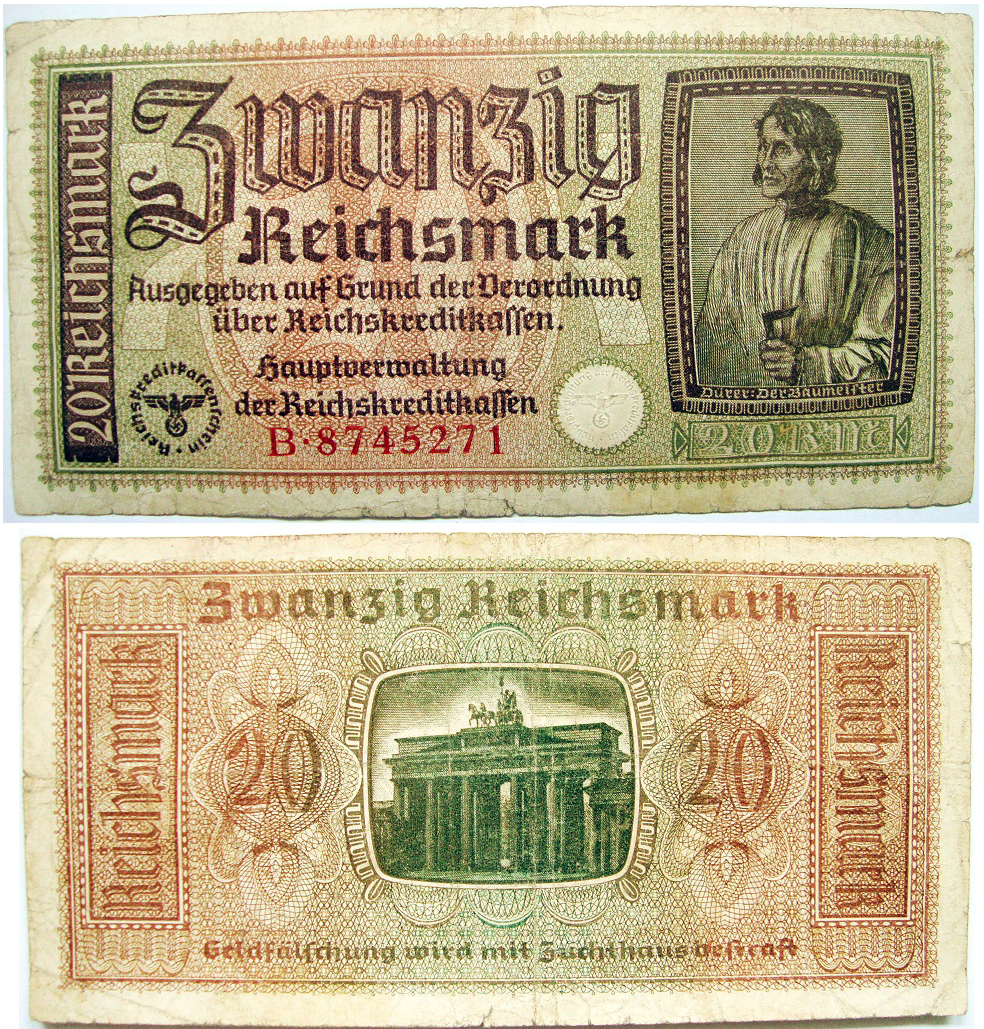

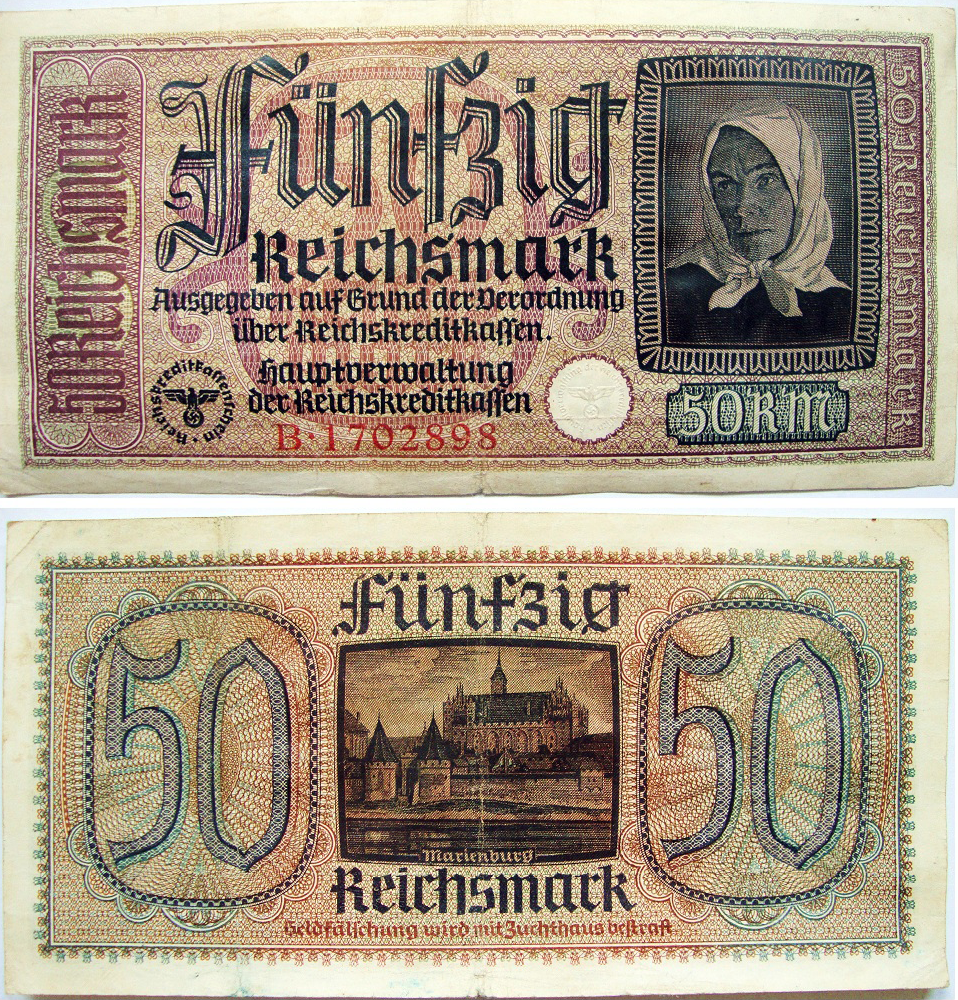

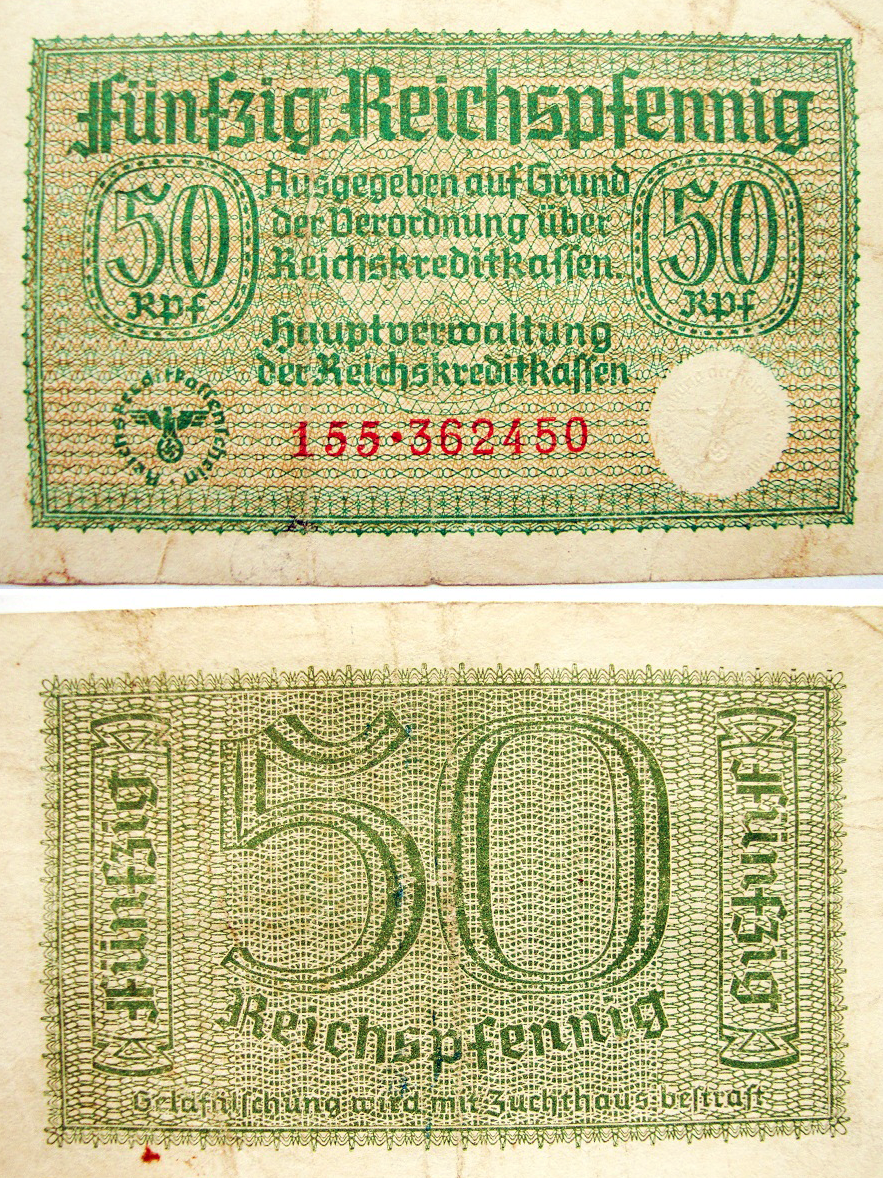


Characteristics and denominations
Coins and banknotes circulated in multiple values to meet everyday and larger commercial needs. Small change used pfennigs, while larger transactions used Reichsmark notes. Typical forms included:
- pfennig coins for minor purchases;
- various Reichsmark coins and stamped pieces for higher small-value use;
- paper banknotes for larger payments and reserves.
Banknotes and coins also bore national symbols and changing designs across the 1924–1948 period, reflecting political and economic developments.
Origins and development
The Reichsmark was introduced as part of stabilization measures that followed the chaotic currency collapse after World War I. The Rentenmark had been created as a temporary and nonconvertible means to stop inflation; the Reichsmark that followed aimed to provide a stable, legal-tender currency for the Republic and later for the state under National Socialist rule. Monetary policy and credit were managed centrally by the Reichsbank, which controlled issuance and exchange regulations.
Role during the 1930s and World War II
During the 1930s and through World War II the Reichsmark functioned within a controlled wartime economy. Exchange controls, rationing and state-directed spending shaped its practical purchasing power. In territories occupied by Germany, local arrangements or forced currency conversions were often imposed, complicating postwar financial settlement.
After Germany’s defeat in 1945 the Reichsmark continued to circulate under Allied occupation until a comprehensive currency reform. On 20 June 1948 the Deutsche Mark was introduced in the Western occupation zones, replacing the Reichsmark and marking a decisive step in West German economic reconstruction. The Soviet zone pursued a separate monetary path that led to later currency changes in East Germany.
Further reading and context
For background on monetary policy and the interwar period see monetary history and studies of Germany’s central banking in the era: central bank reforms. Broader accounts of the 1923 hyperinflation and its remedies are available at hyperinflation sources. For details on the 1948 currency reform and transition to the Deutsche Mark consult postwar currency reform and occupation economics studies at Allied occupation economics.
Related articles
Author
AlegsaOnline.com Reichsmark (RM): Germany's currency, 1924–1948 Leandro Alegsa
URL: https://en.alegsaonline.com/art/81943