
Regional Railways (British Rail passenger sector)
British Rail sector that managed local and regional passenger services outside InterCity and London commuter networks; created in 1982 as Provincial and disbanded after 1990s privatisation.
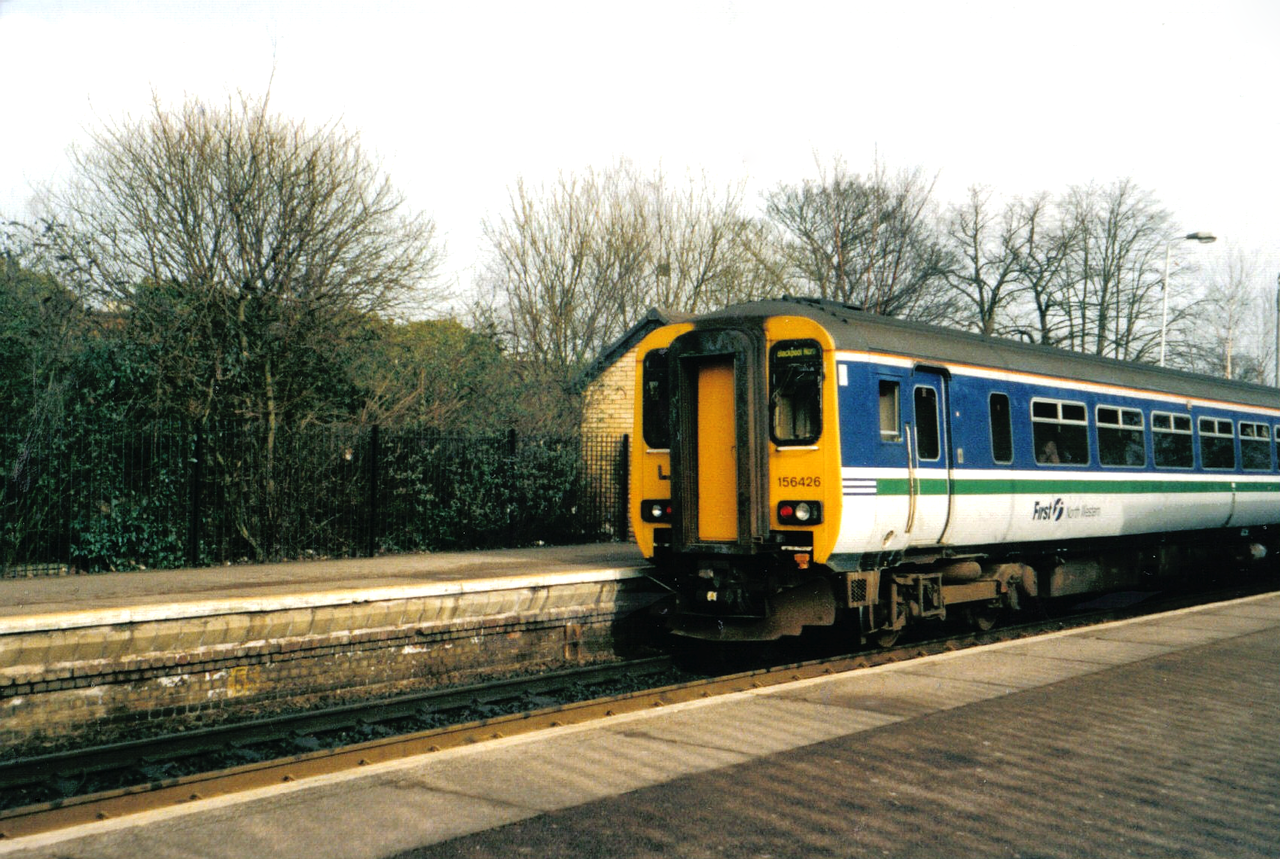
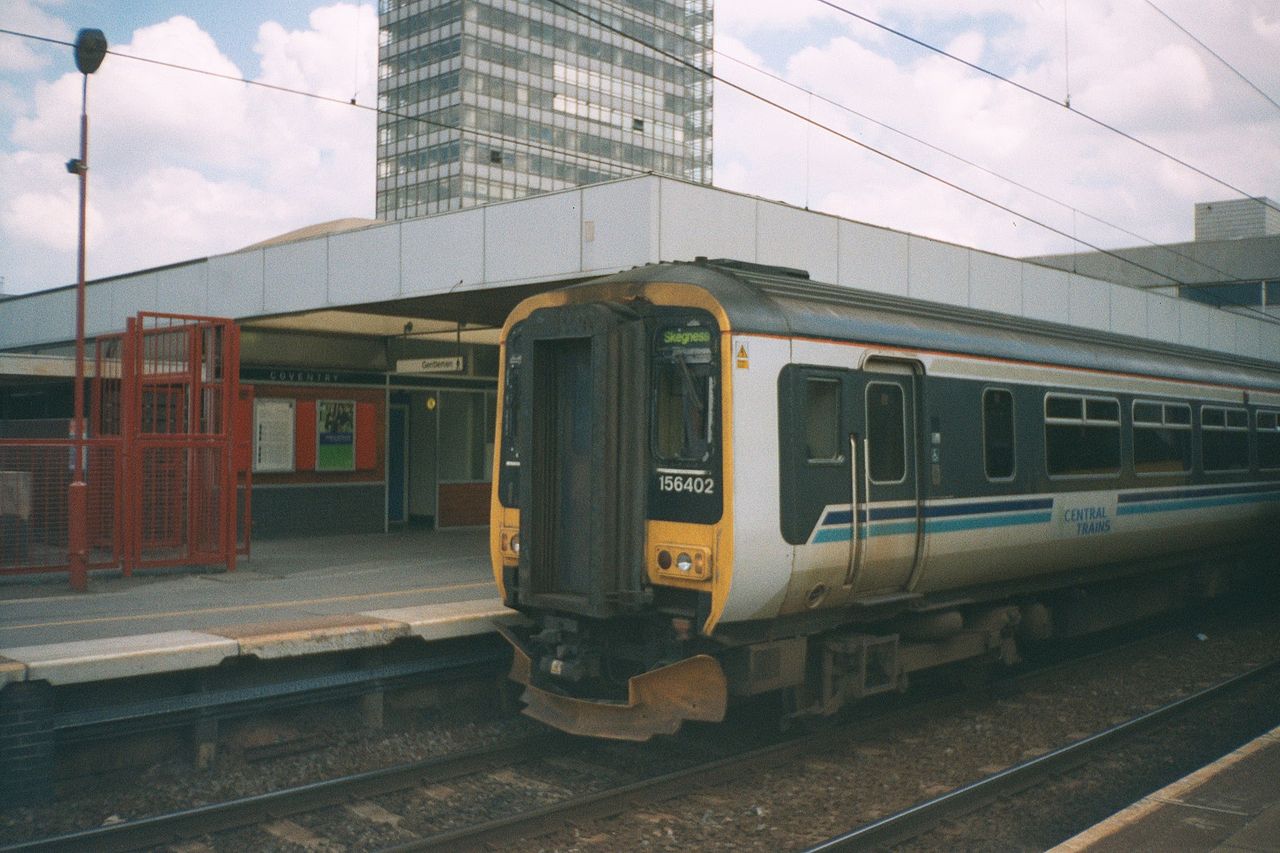
Regional Railways was the British Rail sector responsible for the majority of local, rural and medium-distance passenger services outside the InterCity network and London commuter area. Formed during British Rail's sectorisation programme in 1982, the organisation began under the name Provincial and later adopted the Regional Railways identity as part of a wider branding effort. It operated until the mid-1990s when its services were transferred to private operators during rail privatisation.
Image gallery
10 Images


Scope and characteristics
The sector covered a wide and varied set of routes, linking regional towns, seaside resorts, and smaller cities. Services ranged from short suburban trips to longer cross-country journeys that were not part of InterCity timetables. Compared with other sectors, Regional Railways typically managed routes with lower passenger volumes, more rural lines and a greater number of stops per mile. Investment levels and marketing were generally more modest than for the better‑known InterCity and London-focused networks.
Rolling stock and services
Regional Railways inherited a diverse fleet of older diesel multiple units and locomotive-hauled trains. During the 1980s and early 1990s, British Rail introduced a programme of newer lightweight diesel multiple units and refurbished stock aimed at improving reliability and comfort on regional services. Operators sought simple, robust vehicles suitable for frequent stopping patterns and a mixture of short- and medium-distance duties.
History and privatisation
Created as part of British Rail's move from a geographically managed system to business sectors, the sector initially traded as Provincial before the Regional Railways brand became the common name. Following the UK government’s rail privatisation programme, the operational elements of Regional Railways were broken up and let as separate franchises to private companies; the umbrella Regional Railways brand was phased out by 1996.
Legacy and significance
Many of the routes once run by Regional Railways continue today under different franchise names, and several families of trains introduced or standardized in that era remain in service. The sector played a key role in maintaining local and regional connectivity across much of Britain and in shaping how regional passenger services were perceived and organised in the modern era.
For broader context on the organisation that created and managed it, see British Rail.
Related articles
Author
AlegsaOnline.com Regional Railways (British Rail passenger sector) Leandro Alegsa
URL: https://en.alegsaonline.com/art/81890