
Renault Clio: compact supermini from Renault
Comprehensive overview of the Renault Clio, the compact supermini introduced in 1990. Covers design, generations, body styles, engines, performance variants, markets and technology in plain terms.
Overview
The Renault Clio is a small family car, commonly classed in Europe as a supermini, produced by Renault since 1990. Originally conceived as a modern replacement for the Renault 5, the Clio has been a core model in Renault's passenger car line-up and has been developed to serve urban drivers as well as small families. Its emphasis has been on compact exterior dimensions combined with efficient use of interior space.
Image gallery
10 Images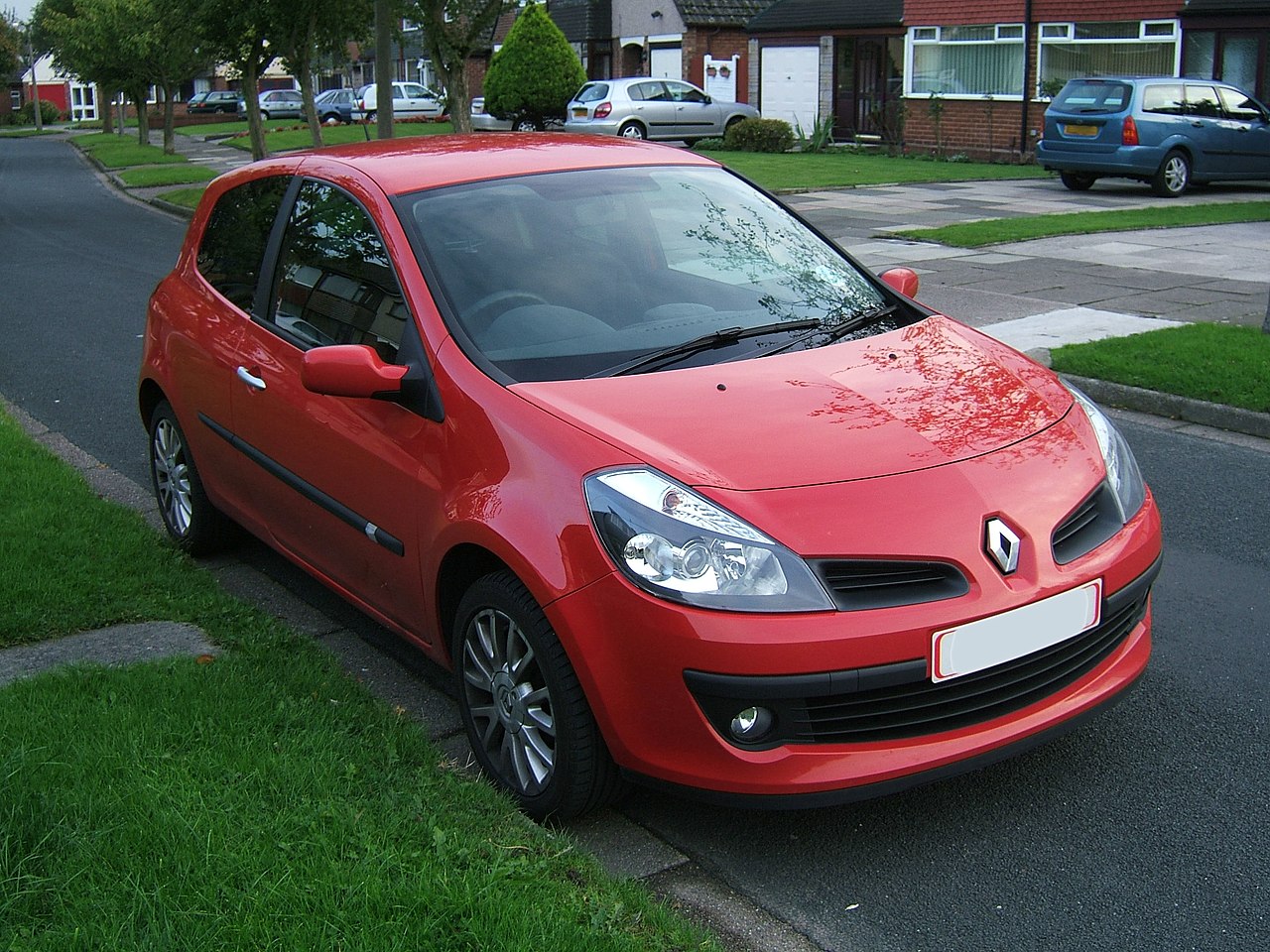



Design and engineering
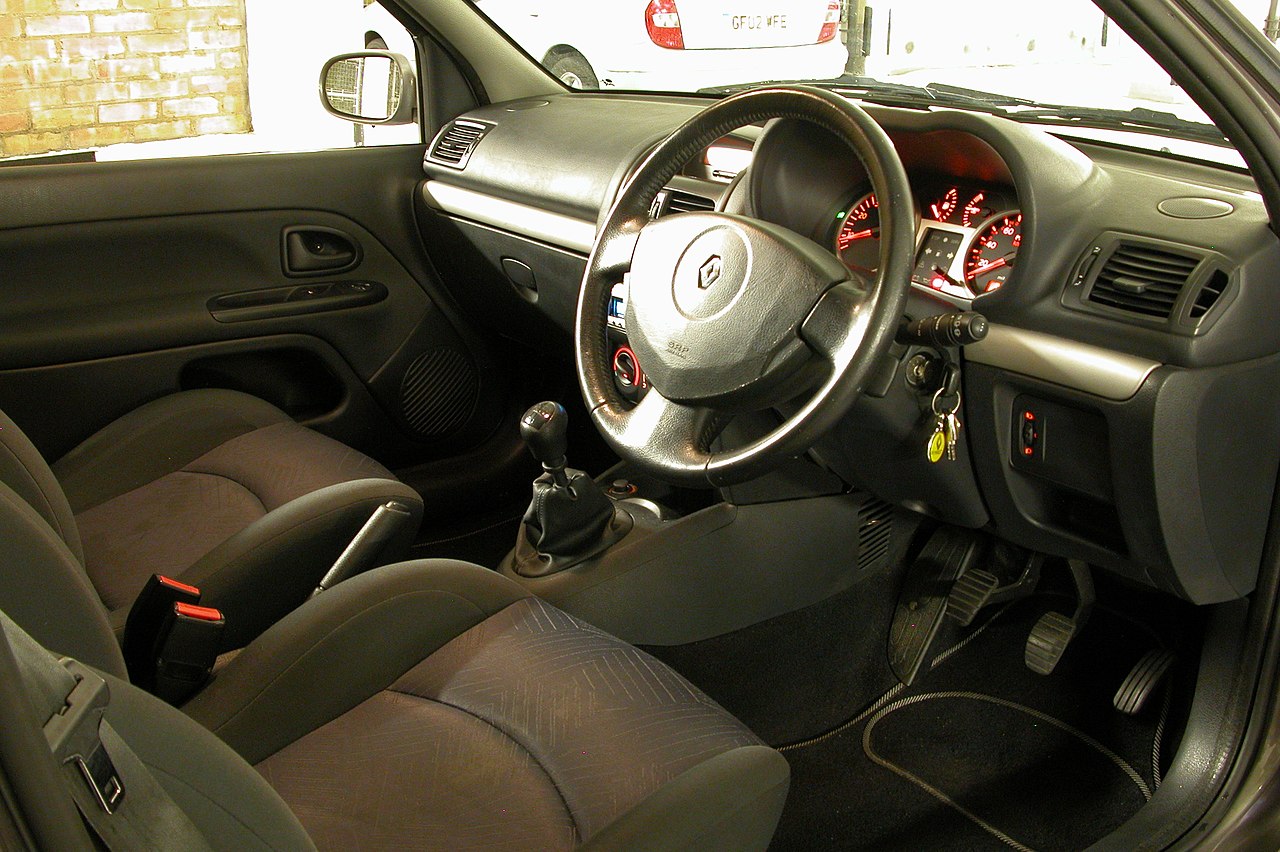
Clio models typically use front-wheel drive with a transverse-mounted engine and are most often offered as three- and five-door hatchbacks; earlier years also saw two-door and estate-style variants in some markets. Across its lifetime the Clio has evolved with changes to chassis stiffness, lighter materials in certain areas, improved crash structures and progressively more sophisticated electronic systems. Trim levels range from basic, economy-oriented editions to well-equipped versions featuring infotainment screens, driver assistance aids and higher-quality interior materials.
Generations and evolution
The Clio has progressed through several main generations since its 1990 debut, each bringing revised styling, safety and mechanical updates. Early generations focused on compact packaging and fuel economy, while more recent iterations have emphasized refinement, connectivity and tighter emissions regulation compliance. Over time Renault increased the model's dimensions moderately to improve interior space and safety performance without sacrificing its urban friendly footprint.
Body styles, engines and fuel types
Throughout its production the Clio has been offered with a broad choice of petrol and diesel engines. In recent years manufacturers have introduced downsized turbocharged petrol units and, in some markets, electrified options such as mild-hybrid or hybrid powertrains to improve efficiency and reduce emissions. Gearboxes have included manual and automatic units, and suspension tuning has varied between comfort-oriented and sportier settings depending on trim.
Performance and special editions
Renault has produced performance-focused Clio variants under sporty sub-brands, featuring more powerful engines, stiffer suspension and unique styling details. These versions have contributed to the model's visibility among driving enthusiasts and in junior-level motorsport where compact, nimble cars are common choices.
Market position and competitors
The Clio competes in the highly contested European supermini sector against rivals such as the Ford Fiesta, the Volkswagen Polo and the Opel/Vauxhall Corsa. Historically it was developed to replace the earlier Renault 5 and has faced other small cars such as the Fiat Uno in different eras. Buyers typically evaluate this class on economy, interior packaging and running costs; Renault has refined the Clio to meet these priorities.
Production, markets and usage
The Clio has been manufactured in multiple facilities and adapted for varied national markets, reflecting Renault's global strategy for a compact model. It has been used widely as a family car, a city commuter and, in performance trims, for club sport. Renault provides model information and production details through official channels and archive material for those seeking specific year-by-year specifications.
For more context on the model's origins and history consult manufacturer resources such as the marque overview and launch documentation: launch history, general model archives at Renault model archive, and comparative reviews including rivals like the Ford Fiesta and Volkswagen Polo.
Questions and answers
Q: What is the Renault Clio?
A: The Renault Clio is a car made by Renault since 1990.
Q: How many generations of the Renault Clio are there?
A: There are four generations of the Renault Clio.
Q: What was the Renault Clio intended to compete against in the European supermini market?
A: The Renault Clio was intended to compete against established rivals in the European supermini market such as the Ford Fiesta, Vauxhall/Opel Corsa, Volkswagen Polo, Rover Metro and the Fiat Uno.
Q: What was the Renault Clio a replacement for?
A: The Renault Clio was a replacement for the Renault 5.
Q: When was the Renault Clio first made?
A: The Renault Clio was first made in 1990.
Q: Which car models were the established rivals of the Renault Clio in the European supermini market?
A: The established rivals of the Renault Clio in the European supermini market were the Ford Fiesta, Vauxhall/Opel Corsa, Volkswagen Polo, Rover Metro and the Fiat Uno.
Q: Who makes the Renault Clio?
A: The Renault Clio is made by Renault.
Related articles
Author
AlegsaOnline.com Renault Clio: compact supermini from Renault Leandro Alegsa
URL: https://en.alegsaonline.com/art/82111